Feature | POTS: Recognition Is Rising, But Management Gaps Remain
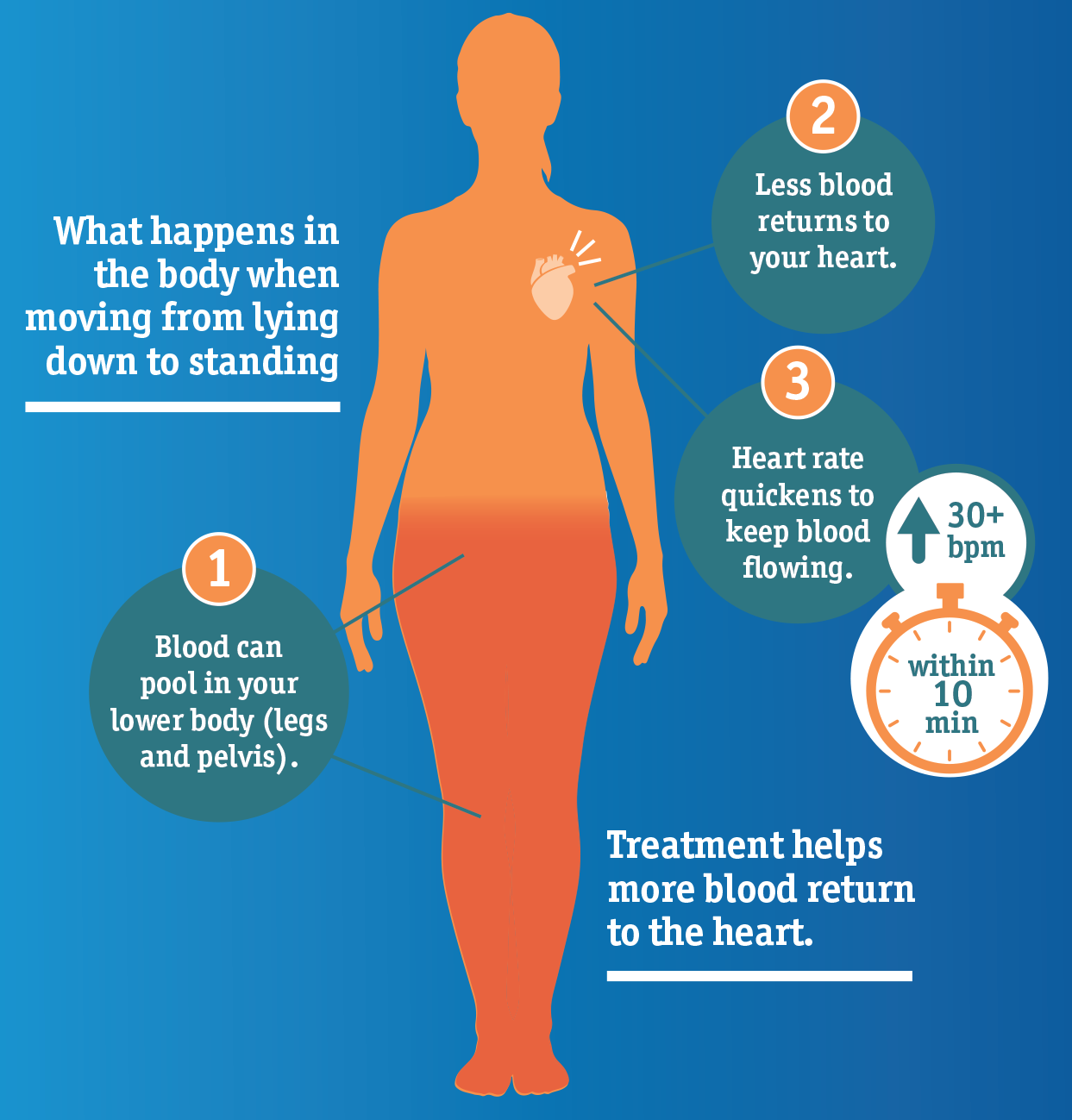
For many patients with postural orthostatic tachycardia syndrome (POTS), a form of dysautonomia, simply standing can trigger palpitations, dizziness, fatigue and exercise intolerance. Affecting an estimated 500,000 to 1 million Americans and disproportionately affecting adolescent girls and women of reproductive age, POTS is characterized by a sustained increase in heart rate (HR) upon standing without orthostatic hypotension (OH). Symptoms often worsen when upright, improve with recumbency and persist for at least three months.
Patients may experience palpitations, dizziness, fatigue, exercise intolerance, cognitive difficulties, gastrointestinal symptoms, migraines and chronic pain. POTS may also coexist with other conditions, including joint hypermobility and hypermobile Ehlers-Danlos syndrome, migraine, autoimmune disorders, mast cell activation disorders and post-viral syndromes including Long COVID. This complex and often multisystem presentation can contribute to symptoms being misattributed to anxiety, deconditioning or "just tachycardia." This can delay appropriate diagnosis as well as treatment.
Findings from a new CardioSurve survey of ACC members suggest that while cardiologists increasingly recognize POTS and understand its clinical features, persistent gaps in management, access to specialty resources and demand for clinician education offer opportunities to improve care.
A Syndrome That Extends Beyond Tachycardia
POTS is best viewed as a clinical phenotype rather than a single disease. Several overlapping mechanisms can produce the shared endpoint of orthostatic tachycardia and symptoms.
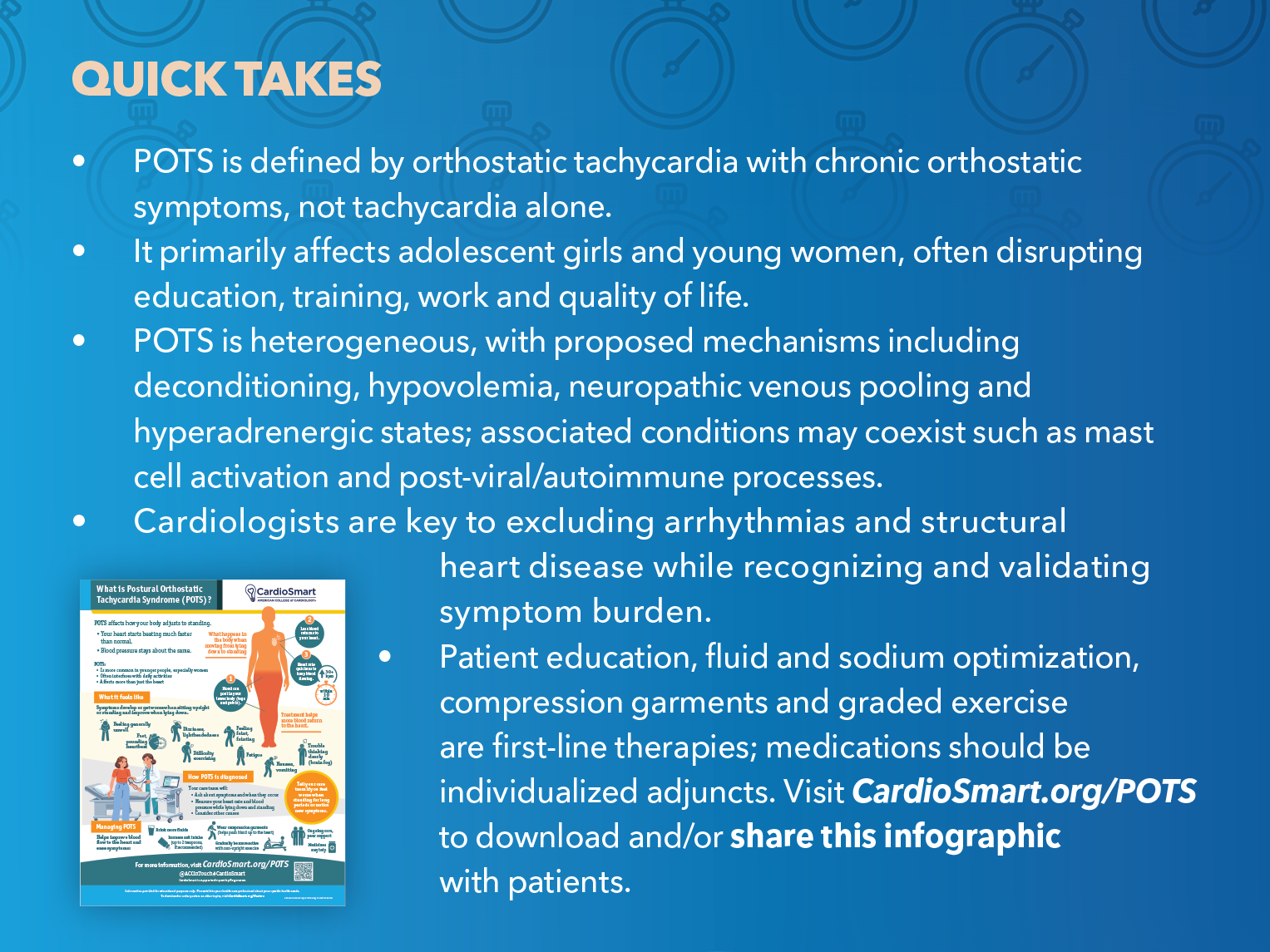
Hypovolemia is common, affecting up to 70% of patients, while deconditioning, low stroke volume and smaller cardiac size may further amplify the heart rate response. Other subtypes that have been proposed include neuropathic POTS, characterized by impaired lower-extremity vasoconstriction and venous pooling, and hyperadrenergic POTS, marked by elevated upright norepinephrine.
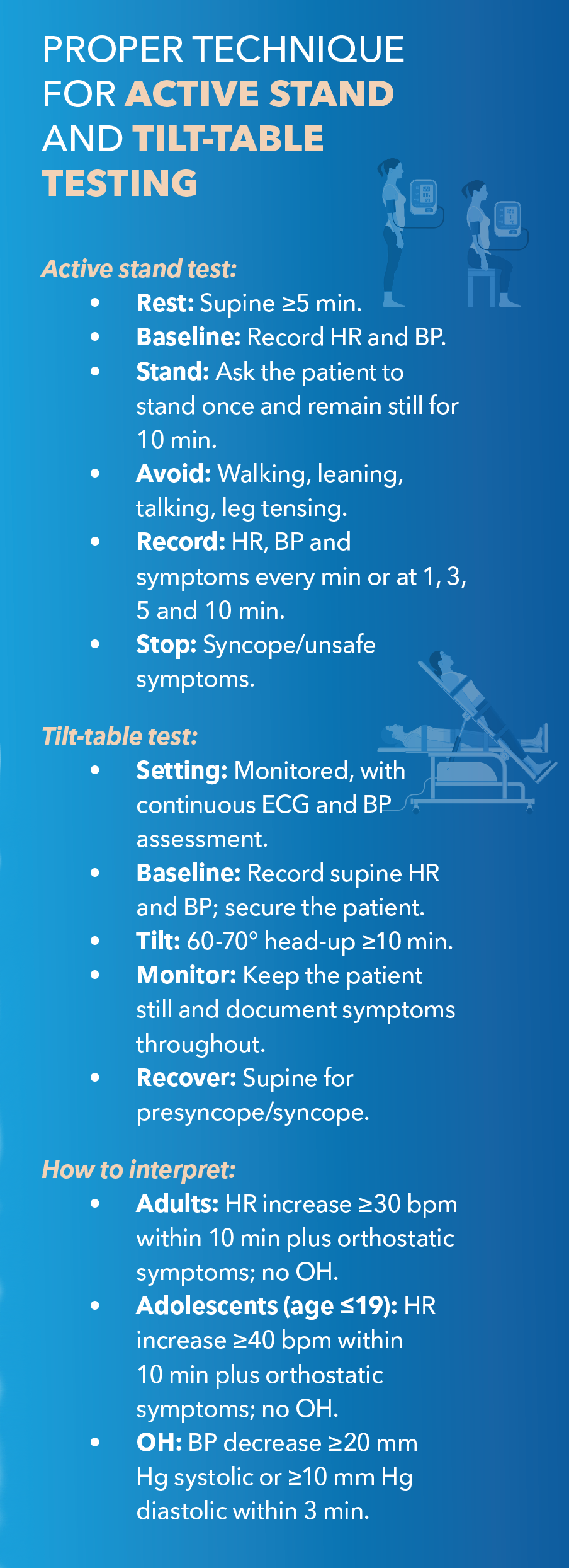
Diagnostic criteria generally include chronic symptoms that worsen in the upright position and improve when sitting or lying down, accompanied by a sustained HR increase of at least 30 beats per minute within 10 minutes of standing in adults, or 40 beats per minute in adolescents, as well as an absence of other explanations for tachycardia like hyperthyroidism.
"The majority of patients I see with POTS are younger women, often presenting with a constellation of symptoms that extends well beyond tachycardia," says Rachel Bond, MD, FACC. "They may report palpitations, lightheadedness, presyncope, exercise intolerance, profound fatigue, 'brain fog,' gastrointestinal symptoms and temperature intolerance."
Post-viral, autoimmune and mast cell-related mechanisms may also play a role. "The COVID pandemic particularly shined a light on POTS and dysautonomia because of the number of patients who developed persistent autonomic symptoms following SARS-CoV-2 infection," Bond notes. "However, post-viral POTS certainly predates COVID."
Increasing Awareness Among Cardiologists
The CardioSurve findings suggest that awareness of POTS has gained considerable traction among cardiovascular clinicians. Nearly three-quarters of surveyed cardiologists (71%) described themselves as very familiar with POTS, while 69% reported strong confidence in diagnosing the condition.
Among cardiologists who diagnose POTS, 75% reported relying primarily on patient history to confirm the diagnosis, followed by active stand testing (56%) and tilt-table testing (54%).
Cardiologists also appear to recognize the syndrome's clinical impact. More than eight in 10 respondents (84%) agreed that POTS has a considerable effect on patients' daily functioning, and nearly three-quarters (74%) agreed that the condition is frequently misdiagnosed or underdiagnosed.
The Ongoing Challenge of Diagnosis
Despite growing familiarity, the survey highlights significant obstacles that continue to complicate diagnosis and contribute to inconsistent care.
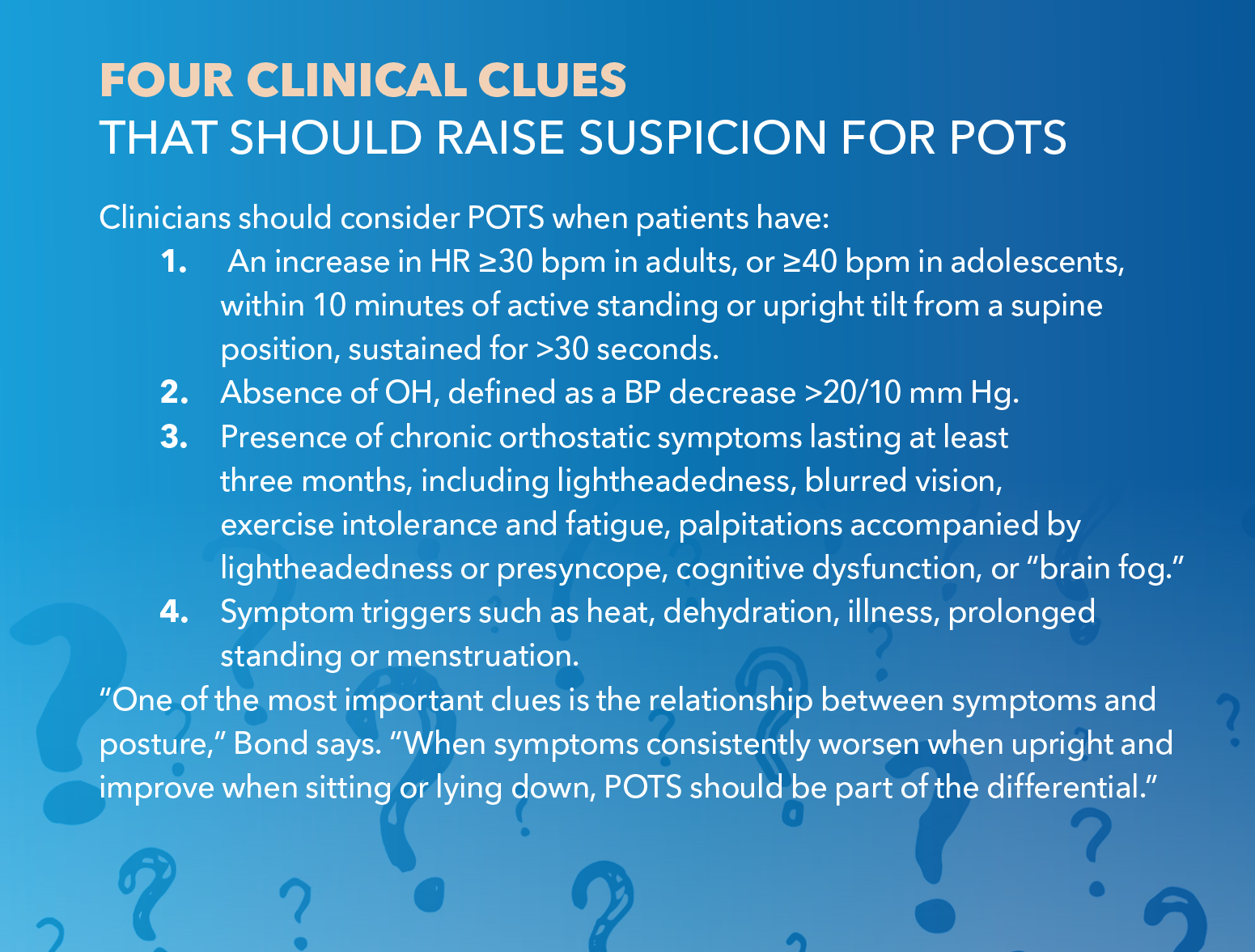
"Many patients have been symptomatic for months or even years before reaching a diagnosis," Bond says. "One of the greatest challenges is that patients can look completely well while sitting in an examination room. Their ECG, echocardiogram and routine laboratory studies may all be normal, yet remaining upright for an extended period can be profoundly symptomatic."
Almost all respondents identified at least one diagnostic challenge, with nonspecific symptom presentation (64%), limited availability of physicians with expertise in POTS (58%), symptoms being attributed to anxiety or deconditioning (57%) and limited access to autonomic testing (47%) among the most cited barriers.
"One major pitfall is attributing symptoms solely to anxiety," says Bond. "POTS can certainly coexist with anxiety, but physiologic orthostatic tachycardia should not automatically be interpreted as a psychiatric manifestation. This is particularly important for younger women, whose symptoms may be dismissed or normalized for prolonged periods."
At the same time, clinicians should consider and exclude other conditions such as anemia, thyroid disease, dehydration, medication effects, arrhythmias, inappropriate sinus tachycardia and structural heart disease.
A careful assessment with an active stand test to evaluate HR changes and rule out OH can help cardiologists identify POTS sooner, exclude mimics and guide treatment.
"POTS should ultimately be a clinical diagnosis supported by objective hemodynamic findings, not a diagnosis made from heart rate alone," Bond says.
Recognition Does Not Always Translate Into Action
Perhaps the most notable finding from the survey is the disconnect between diagnostic confidence and treatment confidence. While 54% of survey respondents said they felt very confident managing patients after diagnosis, only one in five indicated a preference for managing patients themselves and more than half said they would prefer to refer patients to a specialist.
Survey Details
To assess cardiologists' perceptions of POTS diagnosis and management, a survey was sent to 523 U.S.-based ACC CardioSurve panelists. From May 8 to June 11, 2026, 155 panelists completed the survey, for a 30% response rate; 148 met the inclusion criterion of currently treating patients.
The survey also suggests less certainty about long-term treatment strategies, particularly as clinicians navigate a heterogeneous condition with diverse physiologic drivers and no FDA-approved therapies specifically indicated for POTS.
The survey also points to a strong appetite for additional clinical guidance. Only one-third of respondents said current ACC/AHA guidelines provide sufficient direction for management. Consequently, 78% identified formal guidelines as the educational resource they would most like to see.
Management Starts With Fundamentals
Although treatment plans must be individualized and high-quality clinical data are limited, cardiologists largely agreed on core management principles involving dietary and lifestyle modifications (86%) and structured exercise regimens (70%) and stressed the importance of education.
"Education is one of the most important first interventions," says Bond. "For most patients, the foundation is adequate hydration and increased sodium intake when there is no contraindication."
She also emphasizes the importance of trigger recognition, including heat, dehydration, prolonged standing, alcohol and abrupt postural changes.
Exercise remains a cornerstone of management. Structured programs commonly begin with recumbent exercise modalities such as cycling, rowing or swimming before advancing toward upright activity. Progressive strength training, particularly targeting core and lower-extremity muscles, can help improve orthostatic tolerance and functional capacity.
For patients who remain symptomatic despite nonpharmacologic measures, clinicians may consider therapies such as beta-blockers, ivabradine, midodrine, fludrocortisone or pyridostigmine (none are FDA-approved for POTS). However, Bond emphasizes that treatment should be guided by the patient's underlying physiology and symptom profile rather than relying on a uniform approach.
"The goal is not merely to lower the heart rate," she says. "It is to improve orthostatic tolerance, restore function and give patients the tools to achieve a better quality of life."
As awareness of POTS continues to grow, the CardioSurve findings suggest that many cardiologists understand the condition's defining features and clinical significance. The next challenge may be ensuring clinicians have the resources, referral pathways and educational support needed to confidently guide patients from diagnosis to long-term management.
Keywords: Cardiology Magazine, ACC Publications, CM-Oct-2026, Postural Orthostatic Tachycardia Syndrome, Primary Dysautonomias
