ACC Scientific Statement Addresses Cognitive Impairment, Frailty in Patients With CV Disease
With older adults rarely experiencing cardiovascular disease in isolation, ACC's newest Scientific Statement on "Cognitive Impairment and Frailty in Older Adults With Cardiovascular Disease" stresses the importance of considering cognitive impairment, frailty and physical disability within the context of cardiovascular decision-making. Read the full document in JACC.
Led by Writing Committee Chair Karen P. Alexander, MD, FACC, the document emphasizes the way these conditions influence health outcomes, function, treatment decisions and quality of life, and underscores the need to consider them not as separate problems but as interconnected manifestations of the biological aging process.
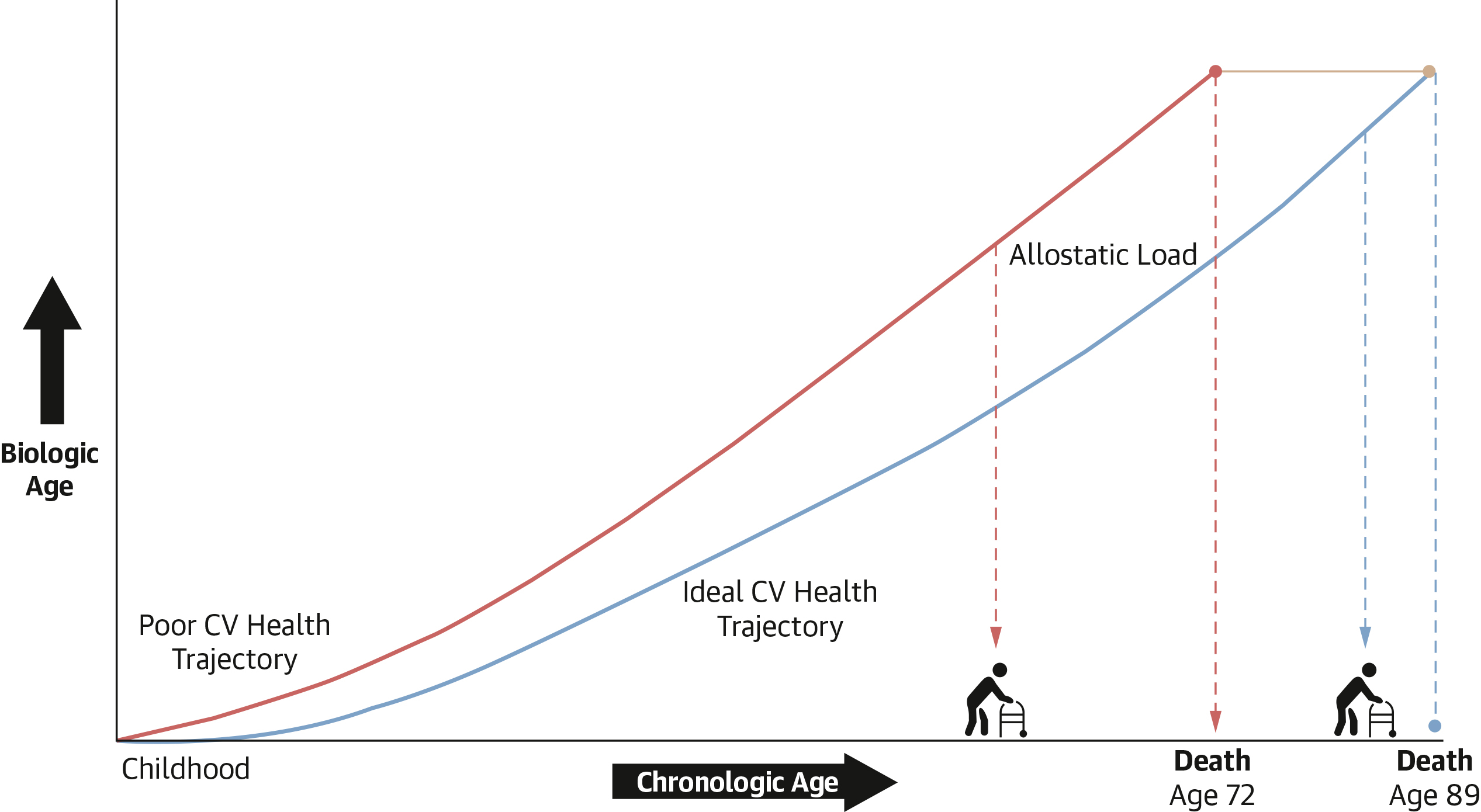
Key Themes and Takeaways
The statement highlights several major themes, including the role of biological aging and multisystem pathophysiology, including vascular dysfunction, chronic inflammation and sarcopenia, in linking cardiovascular disease, frailty and cognitive decline. It also provides practical, consensus-based recommendations for prevention, screening, assessment and management.
Key takeaways include addressing shared, modifiable risk factors and social drivers of health; implementing routine and feasible screening for frailty and cognitive impairment in outpatient settings and after hospitalization; ensuring timely diagnostic evaluation and referral when concerns are identified; and promoting resilience through cardiac rehabilitation, multidomain exercise, nutritional optimization, careful medication management and reduction of polypharmacy-related harms.
Looking Ahead
The statement identifies several important research and practice gaps. "There is no current consensus on a standardized and clinically feasible approach to frailty assessment that can be efficiently integrated into cardiovascular care workflows," according to Alexander and colleagues. "This will be needed to identify high-risk patients and link frailty to actionable treatment," they write.
Evidence supporting long-term effectiveness of multicomponent dementia prevention strategies in higher-risk patients with cardiovascular disease is also limited, while the relationship between polypharmacy and cognitive decline is largely based on observational data. Additionally, the authors call for greater inclusion of functional outcomes such as independence, mobility, cognition, symptom burden and caregiver burden in cardiovascular research.
Outside the scope of the statement are implementation details, including clinic workflows, referral thresholds, reimbursement challenges, team responsibilities, caregiver support strategies and approaches to avoid widening health inequities. The writing committee notes that addressing these issues will be critical next steps for advancing comprehensive cardiovascular care in older adults.
Clinical Topics: Cardiovascular Care Team, Geriatric Cardiology, Prevention, Sleep Apnea
Keywords: Neurocognitive Disorders, Quality of Life, Dementia, Frailty, Cardiac Rehabilitation, Primary Prevention, Cognition, Geriatrics
