Updated Global Definition of HF Aims to Improve Prevention, Diagnosis and Treatment
The newly released AHA/ACC/ESC/WHF Expert Consensus Document: Second Universal Definition of Heart Failure (HF) addresses "changes in disease manifestations, diagnostic strategies and understanding of pathophysiology" and seeks to align terminology by providing one unified definition for use by clinicians, researchers, health systems, and policymakers globally.
Published on behalf of the ACC, American Heart Association (AHA), European Society of Cardiology (ESC) and World Heart Federation (WHF) in collaboration with the Heart Failure Society of America (HFSA), the ESC Heart Failure Association (HFA) and the Japanese Heart Failure Society (JHFS), the document reaffirms and updates the First Universal Definition of Heart Failure, released in 2021.
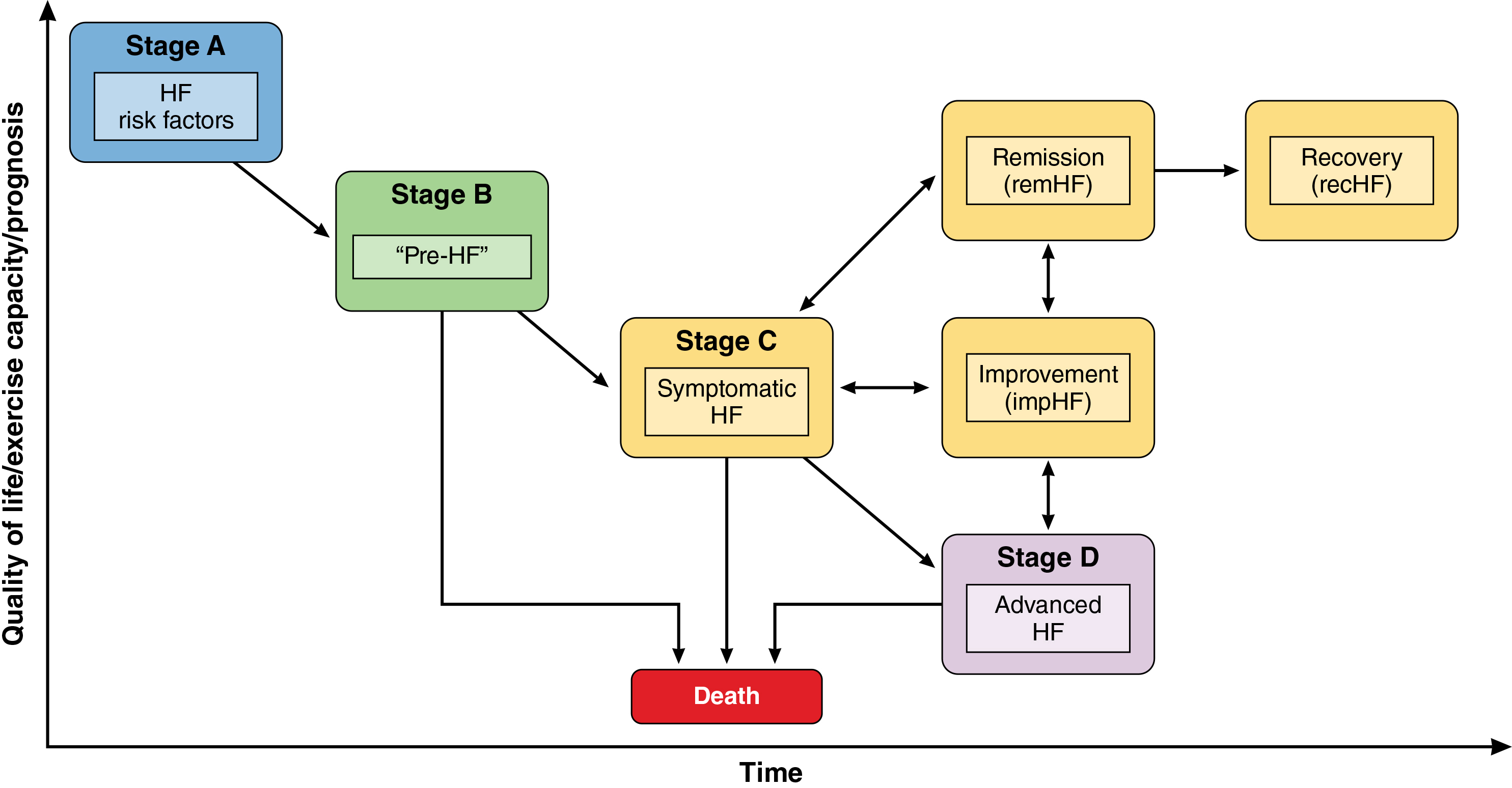
Key Changes
The updated definition introduces several key changes, including the creation of a universal classification system for HF causes with the goal of helping to standardize data reporting from registries and clinical trials. It also includes a transition away from strict cutoff values for LVEF, which can obscure possible benefits of therapies for HF phenotypes that range outside the values. Instead, the definition takes into account factors like age, sex and ethnicity and groups HF into reduced, preserved and improved EF categories to better "reflect clinical realities."
Other highlights include a greater focus on early intervention and mitigating the progression to advanced HF, along with recognition that HF is a dynamic disease with the potential for improvement, remission and recovery. The authors also underscore ways that access to care, geographic settings, specific health policies, and social drivers of health can impact HF risk and patient outcomes.
"HF remains a major challenge that continues to grow globally, and inconsistencies in how it is defined have limited progress in research and treatment," said Mary Norine Walsh, MD, MACC, co-chair of the consensus document. "The new framework introduces a universal classification of causes of HF with a focus on earlier identification of risk in order to facilitate prevention. There is also a shift away from rigid measurement thresholds in favor of a focus on disease trajectory."
According to the ACC and AHA, the new definition will serve as the foundation for the upcoming HF Guideline, expected to publish in late 2027.
Clinical Topics: Cardiovascular Care Team, Heart Failure and Cardiomyopathies, Acute Heart Failure
Keywords: Heart Failure
