
Cover Story | Empowering the AI-Enabled Clinician

As health care increasingly moves toward tech-enabled care delivery, both clinicians and patients must shift their mindset to recognizing digital tools not just as add-ons, but as essential drivers of high quality, patient-centered care.
Tech-enabled care is not about the technology as the word suggests, but rather about the clinical expertise guiding the tools, the actionable insights they generate, and the real-world impact on patient outcomes and clinician well-being.
Lessons Learned From EHRs
When electronic health records (EHRs) were first introduced, the lack of clinician usability and the abrupt change in clinical workflow caused widespread panic and disruption. Despite being designed to improve care coordination, reduce errors and improve clinical decision-making, EHRs did not integrate seamlessly into workflow, thereby increasing workload and failing to set clinicians up for success. As a result, adoption was slow.
Today, while EHRs serve as an essential health solution for providing a centralized, accessible digital record of a patient's medical history, their workflow in some practices still does not mirror that of practicing clinicians.
ACC CardiaCast: Innovation in Action
Tune in to the latest episode of the Innovation in Action podcast series for a discussion about AI-Enabled ECG: From Concept to Clinical Care.
In this episode Francisco Lopez-Jimenez, MD, FACC, and Paul Friedman, MD, along with ACC Chief Innovation Ami B. Bhatt, MD, FACC, explore the rapid rise of AI tools in cardiovascular care, highlighting why screening tools such as the ECG are particularly well-suited for innovation, as well as strategies for evaluating AI solutions and best practices for integrating them into clinical workflows.
Five Guiding Principles
In a recent Editor's Page in JACC, Editor-in-Chief Harlan M. Krumholz, MD, SM, FACC, discusses the potential of AI in medicine and proposes five guiding principles for its responsible development in cardiovascular medicine. Learn More.
Taking lessons learned from the challenges with EHR adoption and implementation over the last two decades, we know that technology succeeds when people, processes, systems of care and intelligence are integrated together. While technology is getting better at identifying disease, gaps remain in treatment and access to care that can be mitigated by involving clinician and patient voices in technology design, implementation and real-world monitoring.
The widespread embrace of artificial intelligence (AI) scribes, generative AI, and platforms like Abridge and Open Evidence are proof that when digital tools are designed with clinicians at the center, adoption becomes natural and seamless. These innovations have succeeded not simply because of their technological sophistication, but because they addressed critical needs for clinicians and fit seamlessly into existing workflows.
Critical Considerations
As the health care industry begins to apply these technologies to more complex domains, such as diagnostics, therapeutic decision-making and personalized care, it must keep the following critical considerations in mind:
- Clinical integration and real-world utility
- Longitudinal care plans and follow-up
- Clinical impact indicators and patient outcomes
- Reimbursement
- Person-centered and equity-driven design
- Regulatory approvals
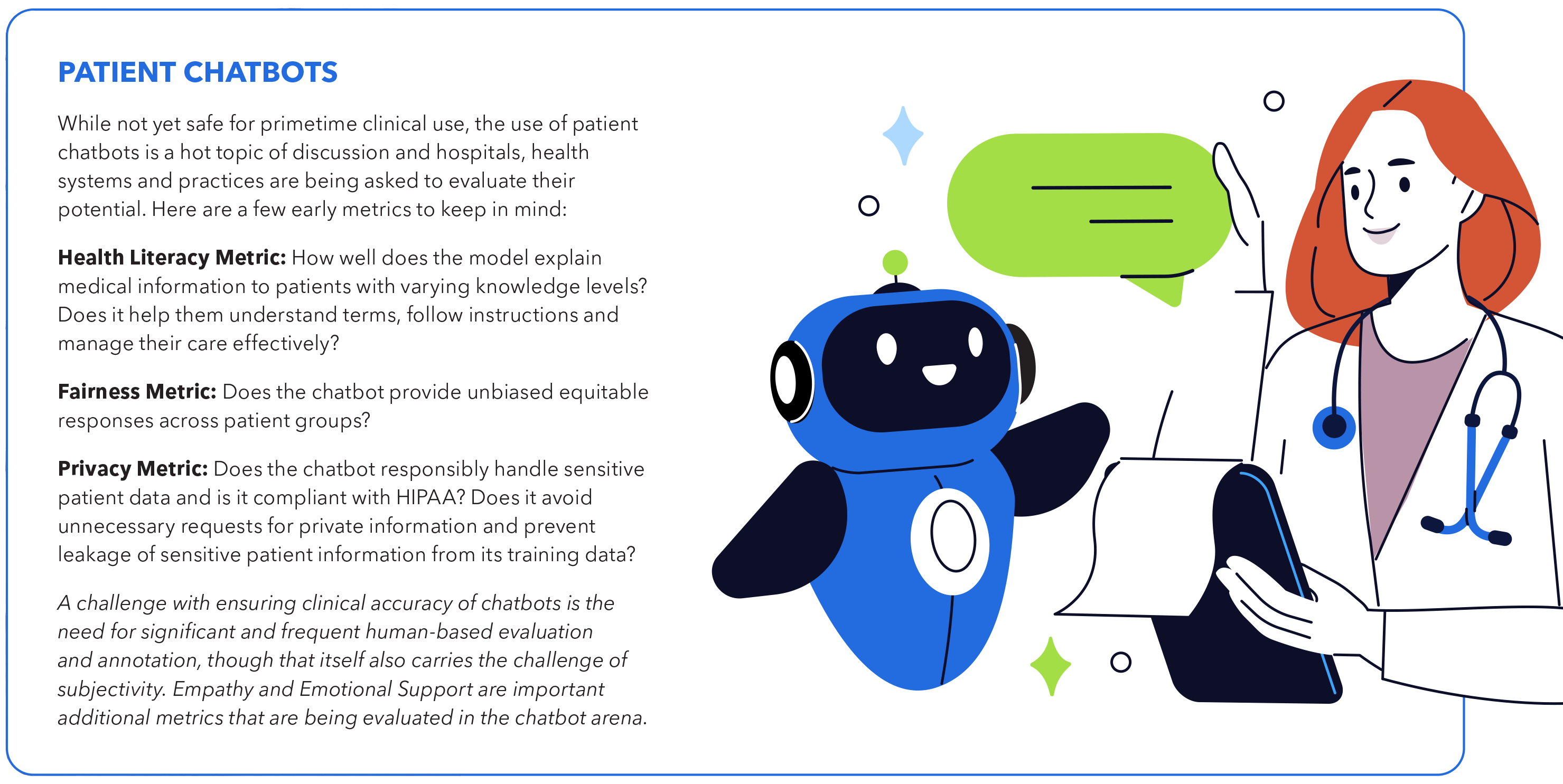
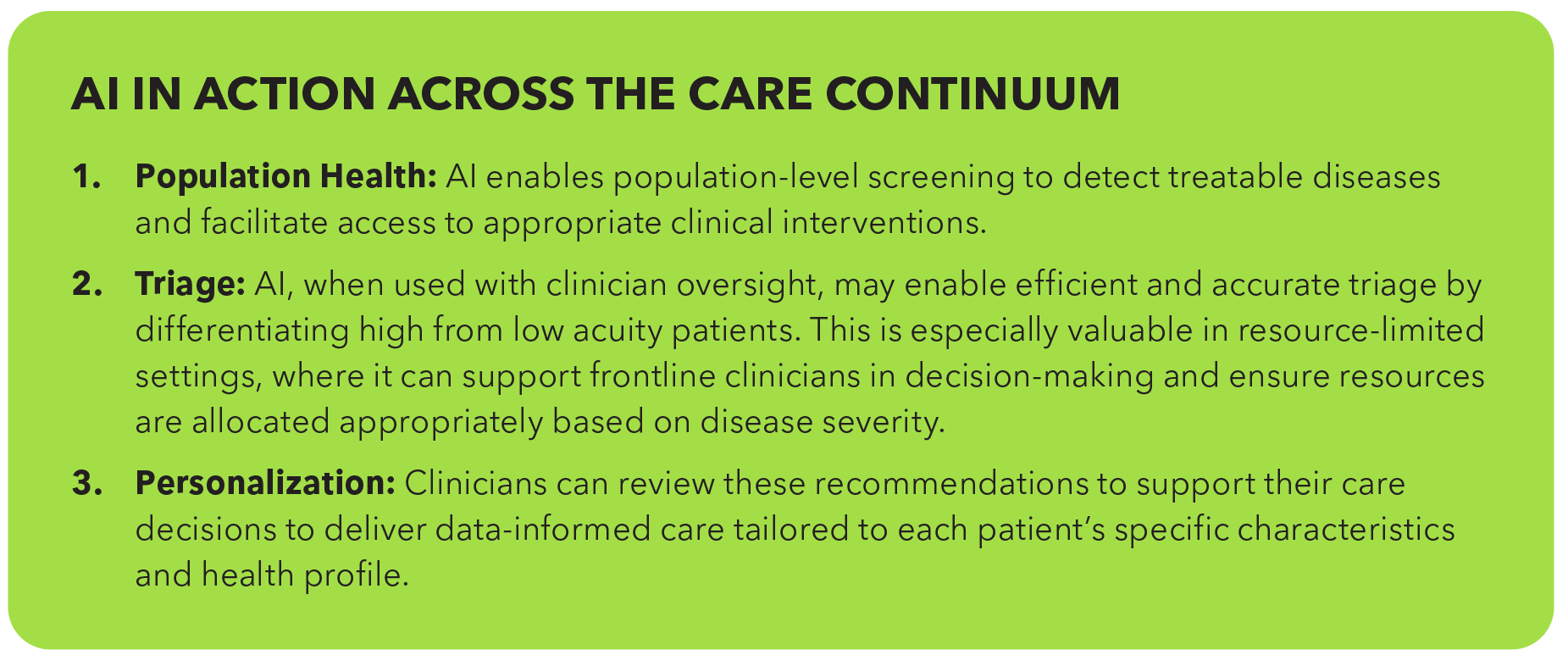
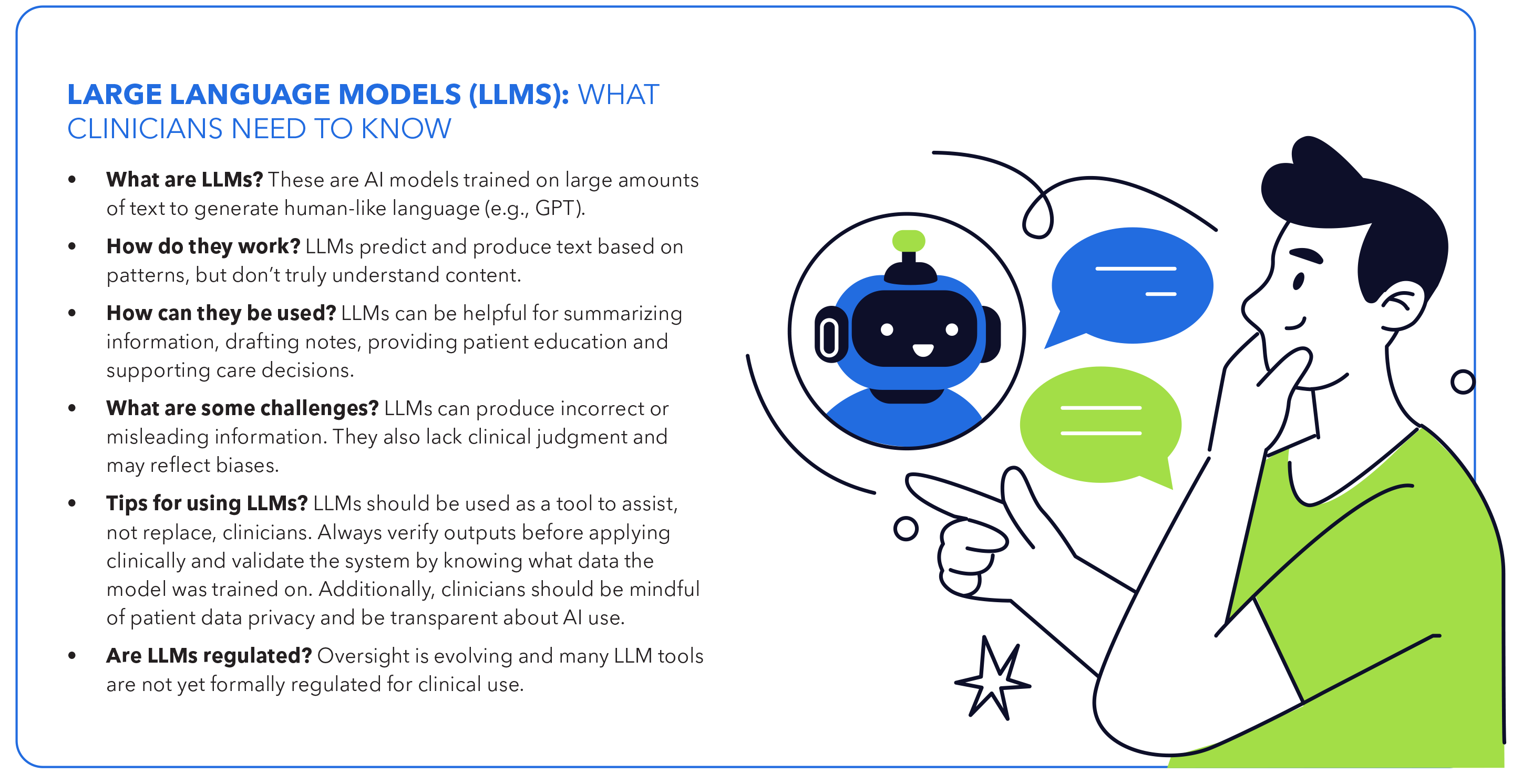
The rapid rise of generative AI in medicine offers a case study for applying these considerations in practice. Generative AI requires an understanding of the technology and its clinical use cases, while also taking into account a clinician's experience using the technology. This experience is essential to harnessing its potential to improve patient care and outcomes. Prompt engineering – how we ask questions (prompting), adjust settings (parameters) and review responses (output) – are key foundational elements for the future AI-enabled clinician. (See sidebars.)
To truly harness the transformative potential of AI in cardiovascular care, we must move beyond isolated innovation and embrace inclusive collaboration. That means clinicians and patients must not only be consulted – they must be empowered as co-creators in shaping how AI is used and implemented. By uniting the full cardiovascular ecosystem, including care teams, patients, industry and government, and grounding every advancement in rigorous science, we ensure that AI serves not just as a tool, but as a trusted partner in transforming cardiovascular care delivery and improving heart health for all.
ACC Innovation in Action
The ACC's Innovation Program has evolved over the last decade to serve as a bridge between frontline clinical practice and emerging technologies – effectively ensuring that clinicians and patients are at the center of health care innovation.
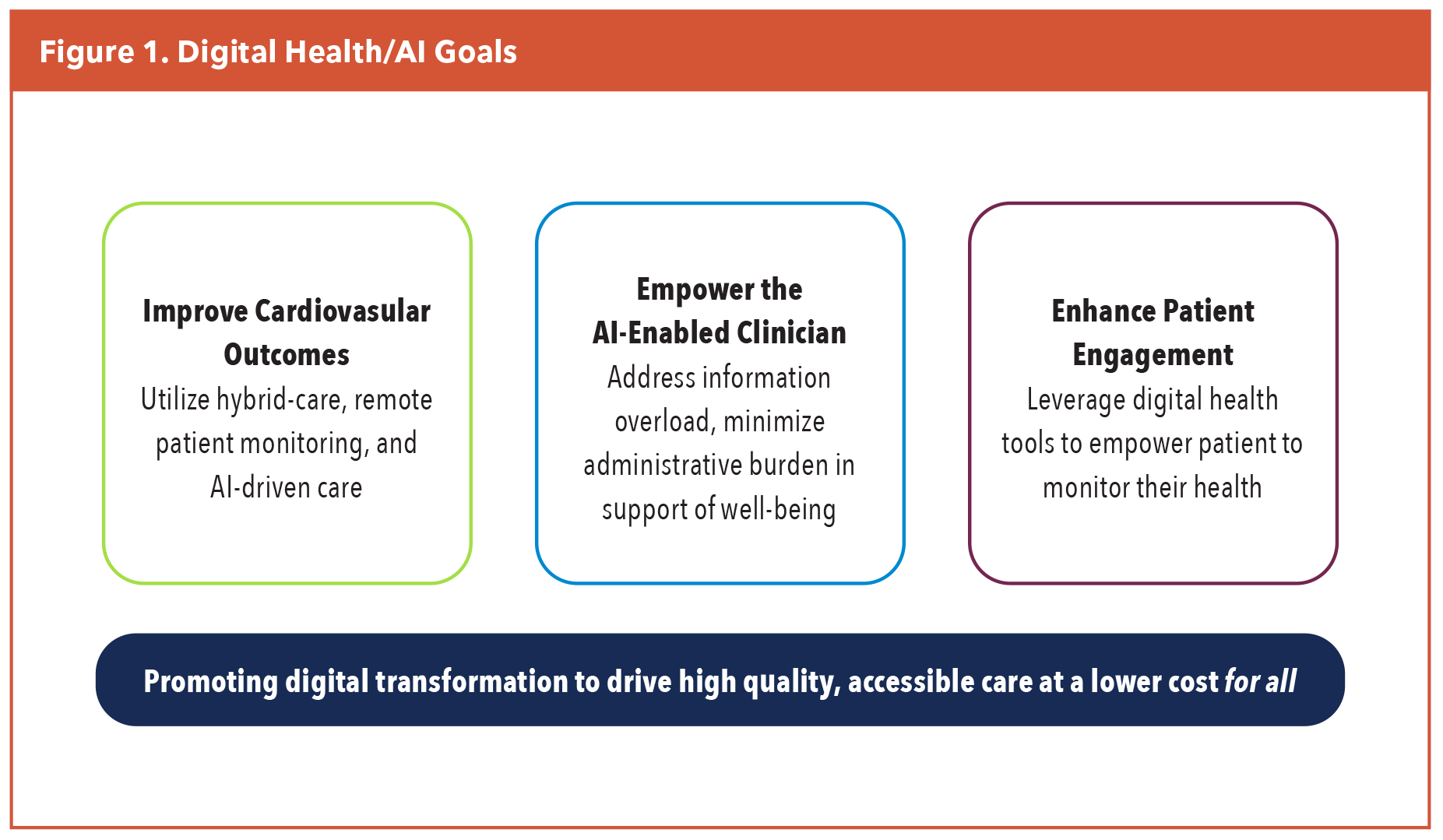
Its goals: 1) Improve cardiovascular outcomes by leveraging remote patient monitoring, hybrid care and AI-enabled care; 2) Empower clinicians by working to address administrative burden and information overload; and 3) Enhance patient engagement using digital tools that involve them in decision-making (Figure 1).
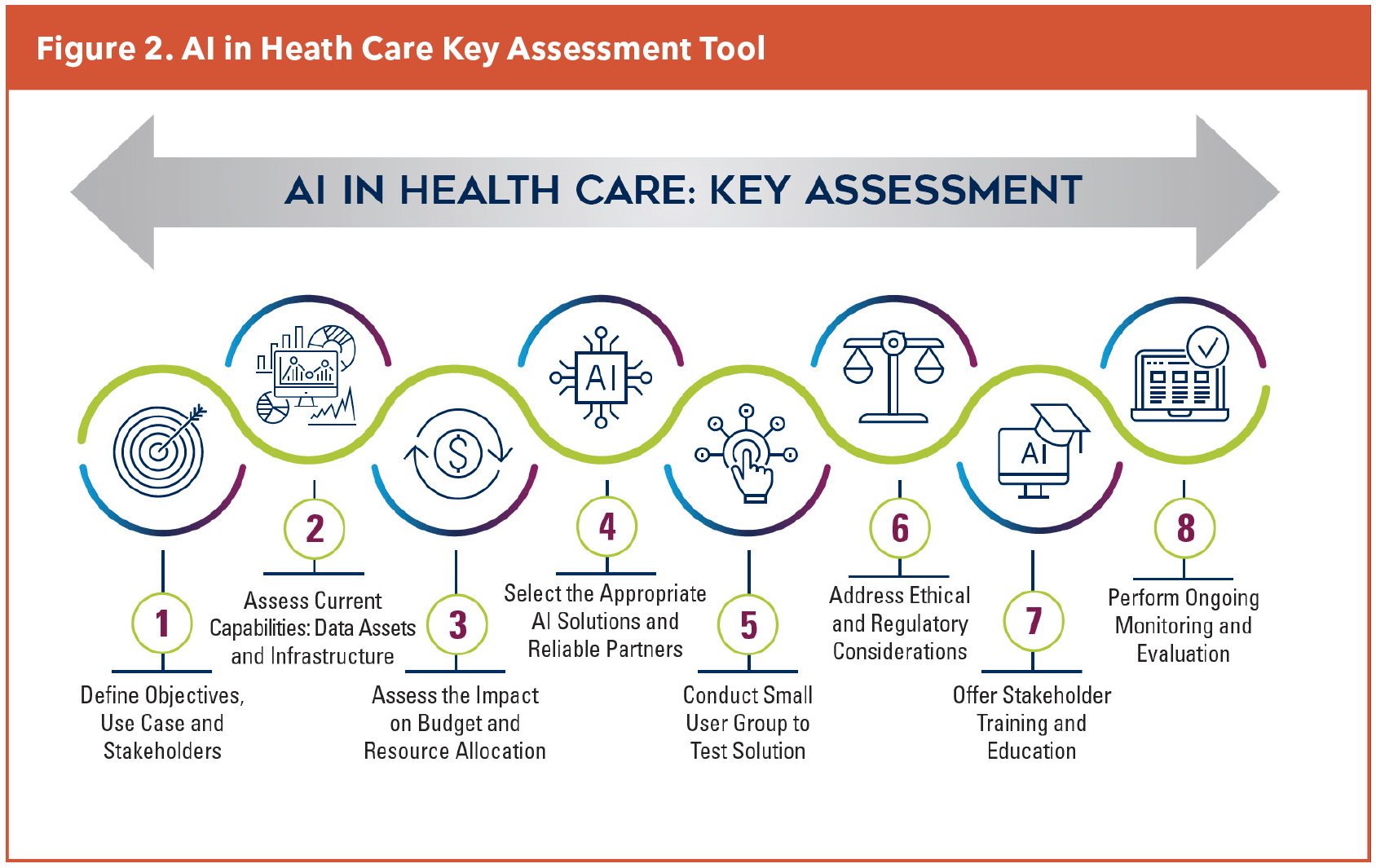
Among the tools available to date, the ACC's AI Resource Center features the latest research, case studies and resources surrounding AI, offering clinicians practical tools to effectively apply it in practice. With technology advancing at an unprecedented pace and choosing the right technology for a specific challenge remaining the holy grail, resources like the AI in Heath Care Key Assessment Tool (Figure 2) and the AI Capabilities and Clinical Scenarios Tool developed by the ACC and MedAxiom offer a framework for evaluating and mapping the right technology to clinicians' specific needs.
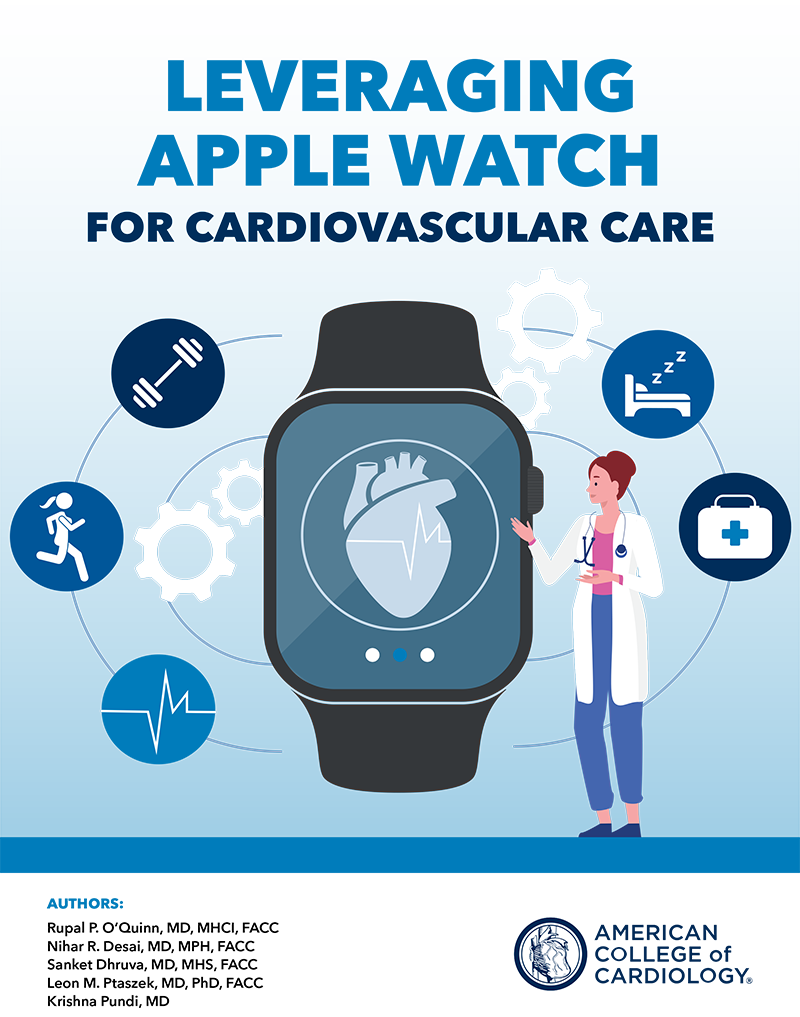
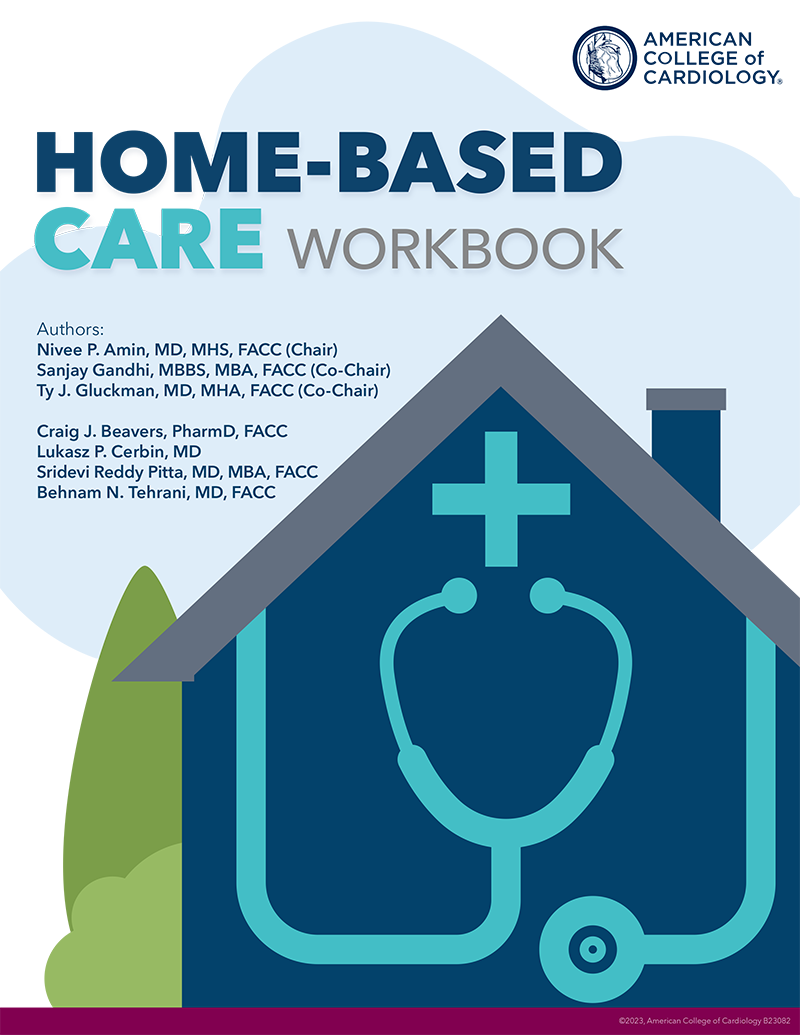
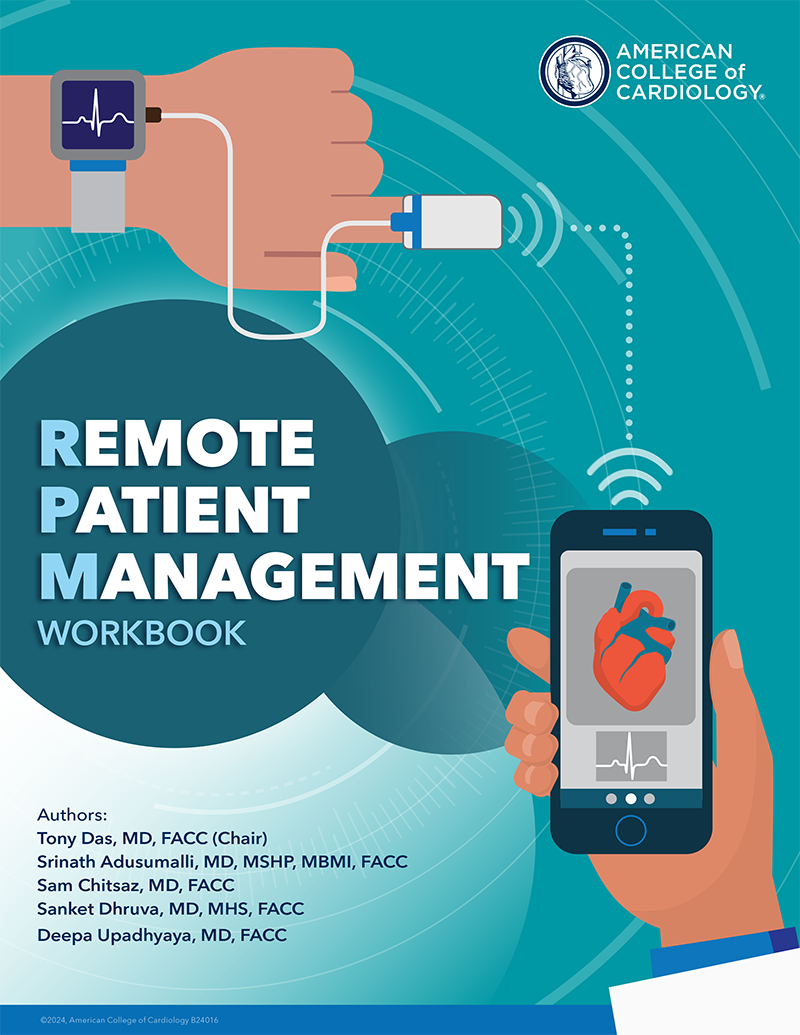
The recently published clinician guide to Leveraging the Apple Watch is another resource, offering practical insights on how to integrate this technology into cardiovascular care. As clinicians face an unprecedented volume of data, especially with the rapid rise of person-generated health information from wearables and trackers, the challenge isn't just interpreting the numbers but keeping pace with the ever-expanding array of tools and solutions available. Similar resources, such as the Home-Based Care, Remote Patient Monitoring and Point-of-Care Ultrasound playbooks, equip clinicians with real-world strategies for using emerging innovations effectively.
On the horizon, the ACC is currently developing a "Prompt Generation Guide" to help clinicians learn techniques to optimize their use of generative AI. A new podcast – The AI-Enabled Clinician – is also coming soon.
The College also continues to ensure the voice of cardiology is represented in key discussions around the use and implementation of AI in practice through strategic partnerships with organizations like the Consumer Technology Association, Digital Medicine Society, National Academy of Medicine, Food and Drug Association, and active collaborations with leading technology companies. Visit ACC.org/AI for more information.
Access the full suite of ACC/MedAxiom Care Transformation Tools.
This article was authored by ACC's Chief Innovation Officer Ami B. Bhatt, MD, FACC, who also serves as chair of the U.S. Food and Drug Administration's Digital Health Advisory Committee, and Shilpa Patel, a member of ACC's Innovation Development and Product Strategy team.
Keywords: Cardiology Magazine, ACC Publications, Artificial Intelligence, Patient Care Team, Health Literacy, Workflow, Technology, Innovation
