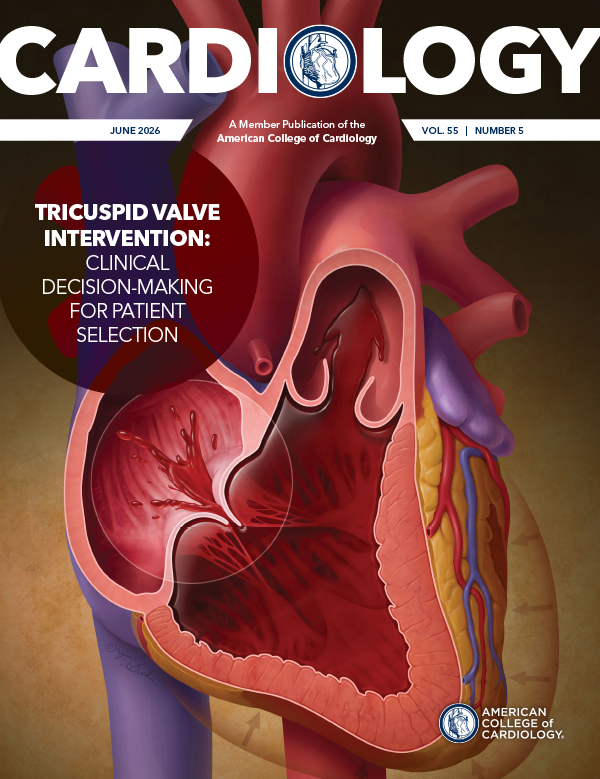
Feature | Cardiovascular Device Safety Can't End at Implantation

Modern cardiovascular care is dependent on safe and effective implanted devices. In the U.S., the cardiovascular care team implants between one and two million new devices each year. The cumulative total of implanted devices in our patients cannot be accurately estimated but is easily in the tens of millions.
Our patients depend on the care team to assure them that their devices continue to perform as intended and are free from signals that might indicate potential for harm. Most devices perform flawlessly, but even a failure rate of 0.1% can have significant consequences in the population. For example, 1.7 million injuries and 83,000 deaths were potentially linked to medical devices during a 10-year period ending in 2018.1
A Bit of FDA History
The U.S. Food and Drug Administration (FDA) designates cardiac devices, such as stents, valves and electrical devices, as Class III high-risk devices recognizing their lifesaving functions. In 2007, the FDA Amendments Act mandated the agency to establish an active postmarket risk identification and analysis system for drugs approved in the U.S. In 2012, this mandate was expanded by the FDA Safety and Innovation Act to include medical devices.
On top of these acts, the FDA recognized the deficiencies in our device surveillance system more than a decade ago and proposed a suite of solutions to improve device safety.2 The system had lofty goals of using high-quality standardized and structured electronic health record (EHR) data to identify potential safety signals in near real time throughout the marketed life of the medical device. To date, most of those systems have not been optimized or implemented and the U.S. remains dependent on a system that relies heavily on spontaneous reports of device issues, which is known to underreport events.
Recent concern over the durability of implanted valve prostheses has highlighted a critical need in cardiovascular care: the need for reliable, real-time systems for tracking implanted devices that can both detect population-level safety signals and alert the care team to device issues affecting an individual patient, even if they are not under the care of the implanting physician.
Device Safety as a Continuous Function
Technology exists that can address the challenge. Drive a rental car into the airport return lane and automated scanners know the entire history of the vehicle. Arrive in the emergency department with multiple defibrillator discharges and the process of identifying the device and the cause of problem is far from easy. Now, imagine that the emergency department is 1,000 miles from the site of the implantation procedure.
Responsibility for the safety of an implanted device is a continuous function. A manufacturer may perform clinical trials as part of the FDA Premarket Approval process that show the device to be safe and effective when implanted according to the instructions for use – but what if there is a subsequent defect such as seen with the Accufix™ Atrial J lead?3
A facility where the implant took place may feel their responsibility ends with the safe discharge of the patient; but is the proper information readily available to all who might deal with that patient in the future? The implanting physician has a responsibility to not only educate the patient and provide appropriate ongoing care, but to also report suspected issues to the FDA. How many clinicians have ever filed a MedWatch report, or even known that the system exists as part of the U.S. safety surveillance system?
The Need For Advocacy and Society Collaboration
The need for advocacy around modern systems of care, as well as multi-society engagement and use of clinical data registries is critical.
Unique Device Identifiers (UDI) have been proposed but not implemented at the federal level. UDI makes sense, but its value depends on the ability to follow devices across time and care settings. This requires that the identifier move seamlessly with the patient from one health system to another and can only be accomplished if federally proposed interoperability standards for the EHR are implemented and maintained.
A 2024 Government Accountability Office (GAO) report to Congress identified limited adoption of UDIs as a major barrier to establishing active postmarket surveillance systems.4 Although the National Evaluation System for Health Technology Coordinating Center (NESTcc) was launched in 2016 to develop a national data network across 19 collaborators, by the time of the GAO report it had initiated active surveillance for only two medical devices – neither cardiovascular – with plans to expand to 14 devices by 2027.
As part of the 2024 GAO report, ACC was interviewed alongside the American Academy of Orthopaedic Surgeons and the American College of Obstetricians and Gynecologists. We emphasized that ACC, in partnership with organizations such as the Society of Thoracic Surgeons, has developed trusted registries containing high-quality clinical data on specific devices. To support meaningful postmarket surveillance, these registries would need to be longitudinal, spanning the full lifespan of both the device and the patient. While registries have been proposed as components of the FDA's surveillance strategy, significant challenges remain related to patient consent, data security and the cost of sustained surveillance.
Patients deserve a device safety surveillance system that is dependable and timely. Current efforts have been well conceived, but progress has been too slow to make a meaningful impact. The number of new cardiovascular devices is increasing almost weekly. It is time to re-examine the collaboration of professional societies, regulatory agencies, legislators, industry and academia to ensure a lifetime of device safety.
This article was authored by Richard J. Kovacs, MD, MACC, ACC's chief medical officer and a past ACC president.
References
- https://www.icij.org/investigations/ implant-files/medical-devices-harm-patients-worldwide-as-governments-fail-on-safety/
- https://www.fda.gov/files/about%20fda/published/ Strengthening-Our-National-System-for-Medical-Device-Postmarket-Surveillance.pdf
- https://www.ajconline.org/article/S0002-9149(97)00330-5/fulltext
- https://www.gao.gov/products/gao-24-106699
Clinical Topics: Cardiovascular Care Team
Keywords: Cardiology Magazine, ACC Publications, CM-Jun-2026, ACC Advocacy, United States Food and Drug Administration, Cardiovascular Implantable Electronic Device, Equipment Safety
