
New ACC/AHA Guideline Addresses Prevention, Detection, Evaluation and Management of High Blood Pressure
The latest Clinical Practice Guideline from the ACC, the AHA and 11 other societies provides updated recommendations for clinicians on the prevention, detection, evaluation and management of high blood pressure in adults. Published in JACC, the new guideline reflects the latest research and evidence since February 2015 and replaces the previous version from 2017.
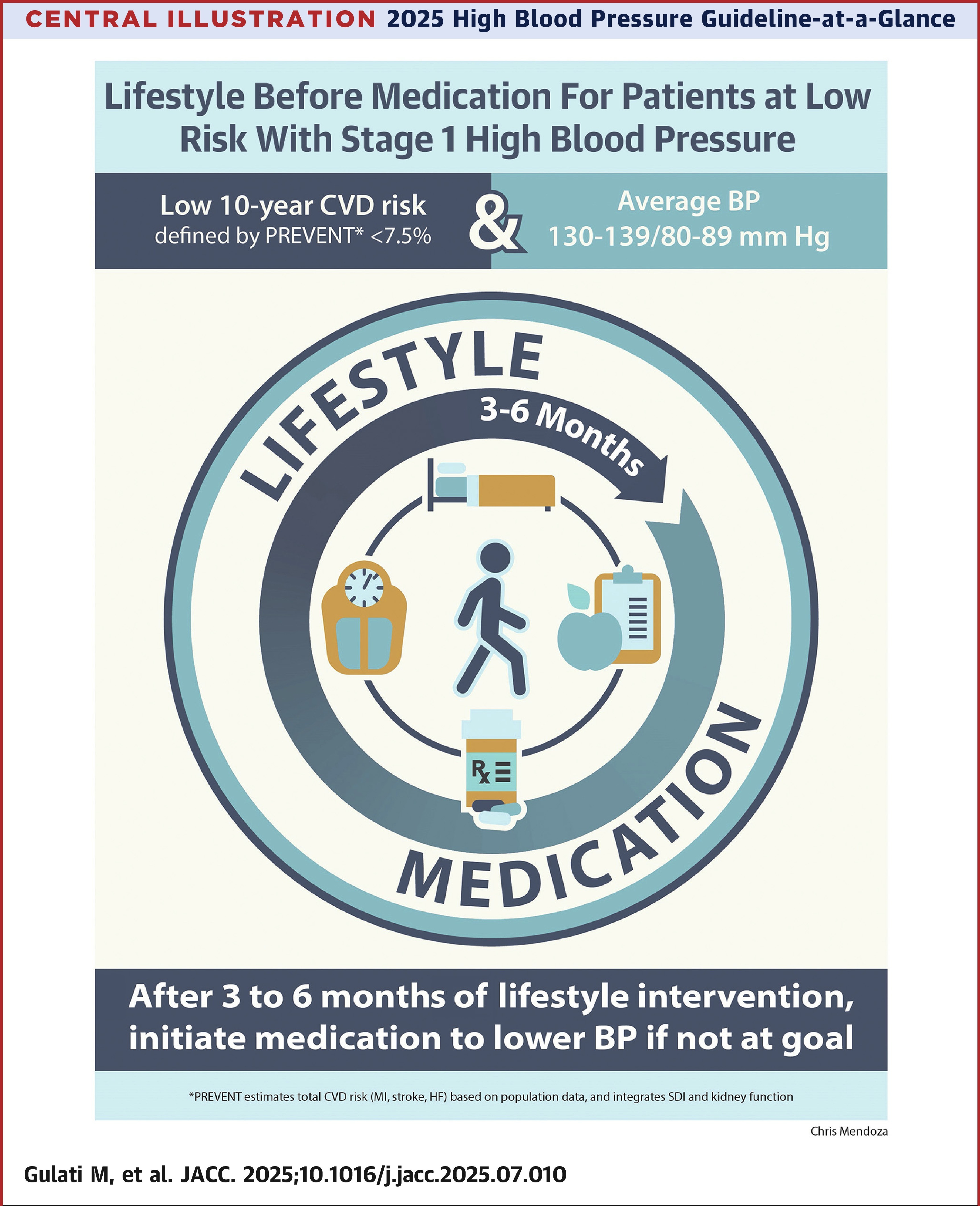
Among the major changes included in the guideline, several new or revised recommendations address topics related to secondary forms of hypertension, primary aldosteronism, lifestyle and psychosocial approaches, hypertension and pregnancy, acute intracerebral hemorrhage, resistant hypertension and renal denervation, diabetes, chronic kidney disease and mild cognitive impairment and dementia. One of the biggest changes involves the use of the PREVENT risk calculator to estimate cardiovascular disease risk and guide drug treatment vs. use of pooled cohort equations. PREVENT, which combines measures of cardiovascular, kidney and metabolic health, delivers more precise risk estimates for cardiovascular disease, according to the authors.
Several updates of note, include recommended screening for primary aldosteronism in patients with resistant hypertension regardless of whether hypokalemia is present, in order to increase rates of detection, diagnosis and specific targeted therapy. Additionally, continuing most antihypertensive medications (other than MRA) prior to screening for primary aldosteronism is recommended to minimize barriers or delays. While the guideline maintains the recommendation to begin treatment with two medications at once – preferably in a single combination pill – the possible addition of newer therapies such as GLP-1 medications for some patients with high blood pressure and overweight or obesity are suggested.
Among the new pregnancy recommendations, treatment with certain medications is recommended for pregnant women with chronic hypertension when systolic and/or diastolic blood pressure levels reach 140/90 mm Hg or higher. According to the guideline authors, this change reflects growing evidence that tighter blood pressure control for some individuals during pregnancy may help to reduce the risk of serious complications. Two important changes to laboratory testing for initial evaluation are also included and involve testing the ratio of urine albumin and creatinine for all patients with high blood pressure (formerly an optional test) and developing tailored approaches to medication for high blood pressure, respectively.
"High blood pressure is the most common and most modifiable risk factor for heart disease," said Guideline Writing Committee Chair Daniel W. Jones, MD. "By addressing individual risks earlier and offering more tailored strategies across the lifespan, the 2025 guideline aims to aid clinicians in helping more people manage their blood pressure and reduce the toll of heart disease, kidney disease, Type 2 diabetes and dementia."
Looking ahead, Jones and colleagues note that accurate blood pressure measurement remains a major challenge and "continued studies are needed in the realm of alternative methods for measurements, including accurate wearable and cuffless monitors." They add that additional studies comparing home and ambulatory blood pressure measurements in estimating cardiovascular disease risk are also needed given disparities in access to ambulatory services. Understanding the impact of social drivers of health on blood pressure, medication adherence and optimal application of guidelines is also critical, as is understanding the role of genetic and epigenetic factors.
The new guideline was developed in collaboration with and endorsed by the American Academy of Physician Associates; American Association of Nurse Practitioners; American College of Clinical Pharmacy; American College of Preventive Medicine; American Geriatrics Society; American Medical Association; American Society of Preventive Cardiology; Association of Black Cardiologists; National Medical Association; Preventive Cardiovascular Nurses Association; and the Society of General Internal Medicine. In addition to JACC, it was published in both Circulation and Hypertension.
Clinical Topics: Prevention, Hypertension, Cardiovascular Care Team
Keywords: American Heart Association, Practice Guideline, Blood Pressure, Cardiovascular Diseases, Hypertension
< Back to Listings


