
 Log in to MyACC
Joint Clinical Consensus Statement Focuses on Masters Athletes With Abnormal CV Findings
Masters athletes, defined as adults over the age of 35 years, with more than 300 minutes per week of exercise training, are driven by performance goals in addition to health goals. For those with abnormal CV findings, diagnostic assessment, treatment options, and exercise prescriptions or restrictions have limited generalizability given current guidelines are almost exclusively based on data from sedentary patients. With this in mind, a new Clinical Consensus Statement from the ACC and the European Association of Preventive Cardiology of the ESC published provides an in-depth look at current evidence surrounding Masters athletes with abnormal cardiovascular (CV) findings.
The statement, published in JACC, specifically looks at the assessment, diagnosis, management and prognosis of arrhythmias, coronary atherosclerosis, aortic dilatation, myocardial fibrosis, and exercise-induced arrhythmogenic cardiomyopathy in Masters athletes and provides clinical consensus statements for each abnormality, along with commentary on the current strength of the advice. General management considerations are also included as part of the document, including comprehensive traditional CV risk factor assessment, lifestyle counselling and medical therapy when appropriate.
"Key considerations that should guide therapeutic interventions include symptom burden and their impact on quality of life, the Masters athletes' preferences and goals, and disease-specific prognosis on a case-by-case basis," write the authors. They also highlight the important role of shared decision-making in helping to balance risks and benefits of specific exercise regiments and/or modifications.
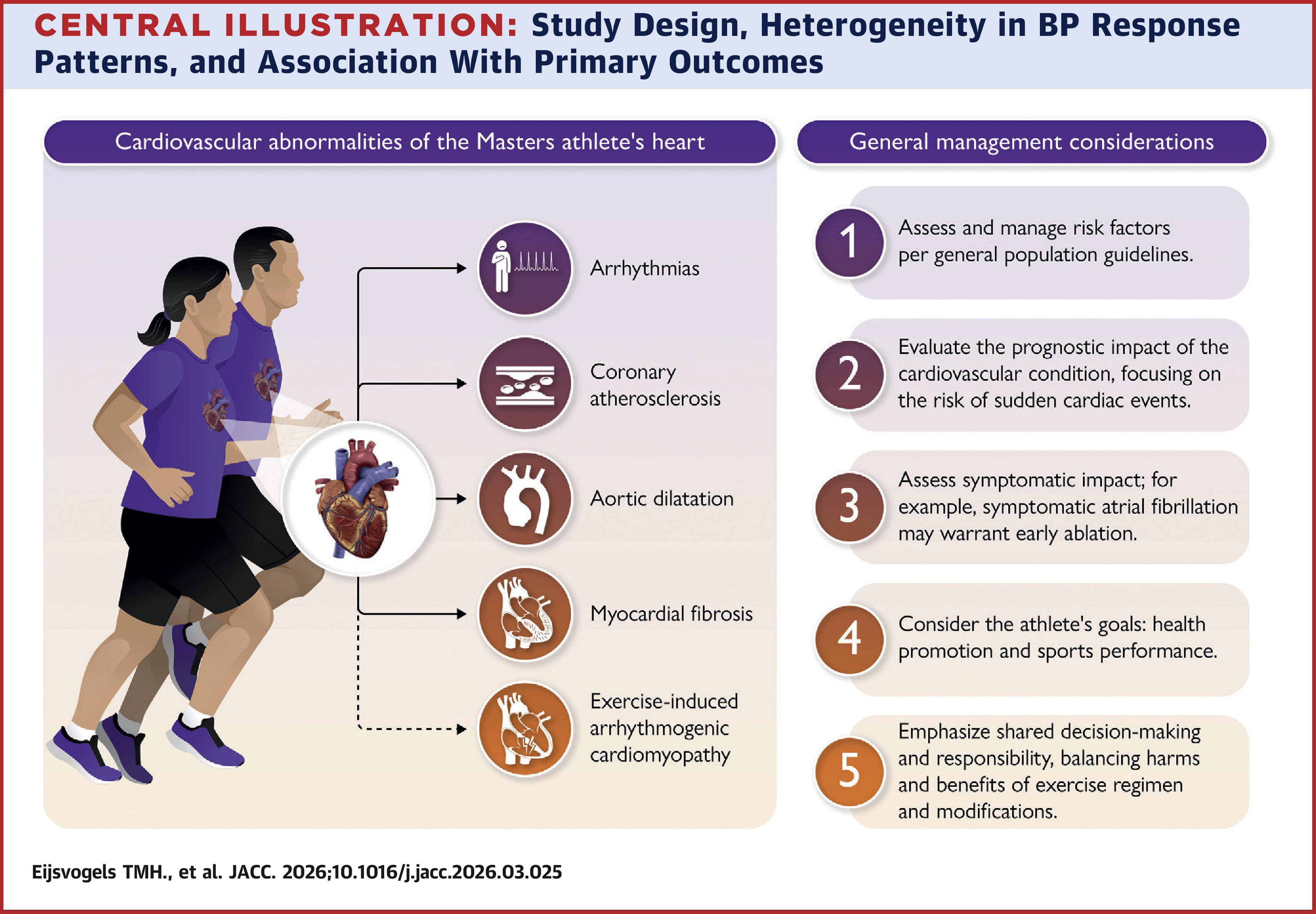
Lastly, the statement explores clinical challenges and areas of ongoing controversy and uncertainty. The authors stress the need for clinical outcome studies and dedicated randomized clinical trials focused specifically on Masters athletes. Global registries that include diverse populations and balanced gender representation are also recommended, allowing for longitudinal follow-up that could then facilitate targeted, evidence-based approaches to clinical management.
"Notably, no studies have explored social determinants of health or potential racial disparities in health outcomes among Masters athletes, whereas sex-based disparities in the incidence of disease among Masters athletes remain understudied and incompletely understood, highlighting a critical gap for future research," the authors write.
Clinical Topics: Heart Failure and Cardiomyopathies, Sports and Exercise Cardiology, Atherosclerotic Disease (CAD/PAD)
Keywords: Coronary Artery Disease, Sports and Exercise Cardiology, Fibrosis, Cardiovascular Diseases, Cardiomyopathies, Risk Factors, Athletes
< Back to Listings


