Prioritizing Health | It's Good to Feel Good: Joy, Connection and CV Health

In an increasingly digital world, creating and maintaining meaningful, joyful connections have become more challenging. Beyond the short-term impact of loneliness and isolation on stress levels, mood and behavior, evidence suggests our psychological well-being affects cardiovascular health.
Optimism was linked to a 35% lower risk of incident cardiovascular disease events and a 14% lower risk of all-cause mortality in a large systematic review and meta-analysis.1 A high sense of purpose in life was associated with a 17% reduction in both cardiovascular events and all-cause mortality in a large pooled analysis.2 A positive affect was found related to a 22% decrease in 10-year incident coronary heart disease in a large population-based study.3 Higher levels of positive emotions were associated with better cardiovascular health scores over 20 years, although not with a slower rate of cardiovascular health decline, in the CARDIA study of young adults (55% women and 48% Black).4
Whether positive emotions beget better baseline cardiovascular health or whether excellent cardiovascular health also begets positive emotions remains unclear. The relationship is likely bidirectional via biomarkers and risk modulators that mediate atherothrombosis.5
Emotions Impact Vascular Endothelium
Understanding the mechanisms driving these cardiovascular benefits can help to integrate pathophysiology with a holistic patient evaluation. Proposed mechanisms include improved health behaviors, such as choosing not to smoke and engaging in more physical activity, enhanced stress buffering capabilities and more favorable autonomic responses to stressful stimuli.
The vascular endothelium demonstrates sensitivity to negative emotions, both episodic and chronic. Impaired endothelium-dependent vasodilation in response to episodic anger has been shown,6 and repeated exposure could result in maladaptive responses. Wall motion abnormalities, stress cardiomyopathies due to catecholaminergic surges and changes in autonomic nervous system augmentation have been linked to natural disasters and major life stressors.7-9
Chronic stress, including posttraumatic stress disorder, depression and anxiety, has been linked to increased sympathetic nervous system activity and concurrent attenuated vagal activity, increased levels of inflammation, development of endothelial dysfunction and increased arterial stiffness.10-11
In contrast, studies of a positive affect have suggested a relationship with reduced cortisol output, lower resting heart rate and lower levels of inflammatory markers (e.g., C-reactive protein, IL-6, etc.).12-14 These results indicate a potential to beneficially reduce cardiovascular disease risk through the promotion of psychosocial well-being.
Clinician Takeaways
- Understand the connection between positive emotions and cardiovascular health. Remember, even laughter can improve endothelial function, arterial stiffness and vascular health.
- Screen for emotional stress: Record a patient's emotional stress levels (work, personal, family) in the history.
- Education is key. Discuss the effects of stress on cardiovascular health, including blood pressure, dietary habits and physical activity levels.
- Suggest strategies to combat stress. Emphasize the value of holistic tools ranging from relaxation techniques (yoga and meditation) to joyful experiences and meaningful connections.
- Specialists may help. Refer patients to a social worker, psychologist or psychiatrist for further evaluation and support as needed.
Key Messages For Patients
- Recognize signs of excessive emotional stress. These can include poor sleep habits, overindulgence in comfort foods and reducing physical activity levels. Some physical signs can be palpitations, shortness of breath and chest discomfort that may directly impair heart function.
- Identify triggers of stress. Keeping a journal can help pinpoint the location, time and circumstance that promotes stress to help make a plan of action to reduce/eliminate triggers.
- Focus on creating positive emotions. Actively plan and engage in activities that promote joyful experiences and meaningful connections with family and friends.
- Be present in the moment. Consider mindfulness-based interventions such as yoga, Tai Chi and meditation to foster a more positive outlook
Physiological and biochemical studies have focused on endothelial function given its role as the superhighway for oxygen and nutrient delivery. Mirthful laughter, compared to mentally stressful activities, was associated with improved endothelial-dependent flow-mediated dilation and brachial artery reactivity. This may be due to activation of mu3 opiate receptors, expressed in vascular endothelium, and subsequent upregulation of nitric oxide synthesis, improving vasodilation while reducing platelet aggregation and leukocyte migration.15
Slower progression of atherosclerosis has been associated with psychological well-being, perhaps
attributable to lower levels of inflammation, triglycerides, higher HDL-C and better glucose regulation.16-18
Building Joy, Connections
Psychological, pharmacological and behavioral strategies designed to enhance well-being could help to reduce the risk of heart disease and improve overall health.19
Structured psychotherapy and stress management programs, such as group-based cognitive behavioral therapy, are effective in reducing symptoms of anxiety and depression.20 These programs teach individuals to reframe negative thoughts, develop healthier coping mechanisms and build resilience.
Pharmacological interventions, such antidepressants, can safely and effectively reduce depressive symptoms, highlighting the value of routine screening and treating depression in cardiac patients.21,22
Gratitude journaling, reflecting on positive experiences, and identifying and using personal strengths cultivate optimism and life satisfaction. These practices boost mood and lay a key foundation for adopting healthier behaviors, like improving dietary choices, medication adherence, not smoking, physical activity and sleep.23-25
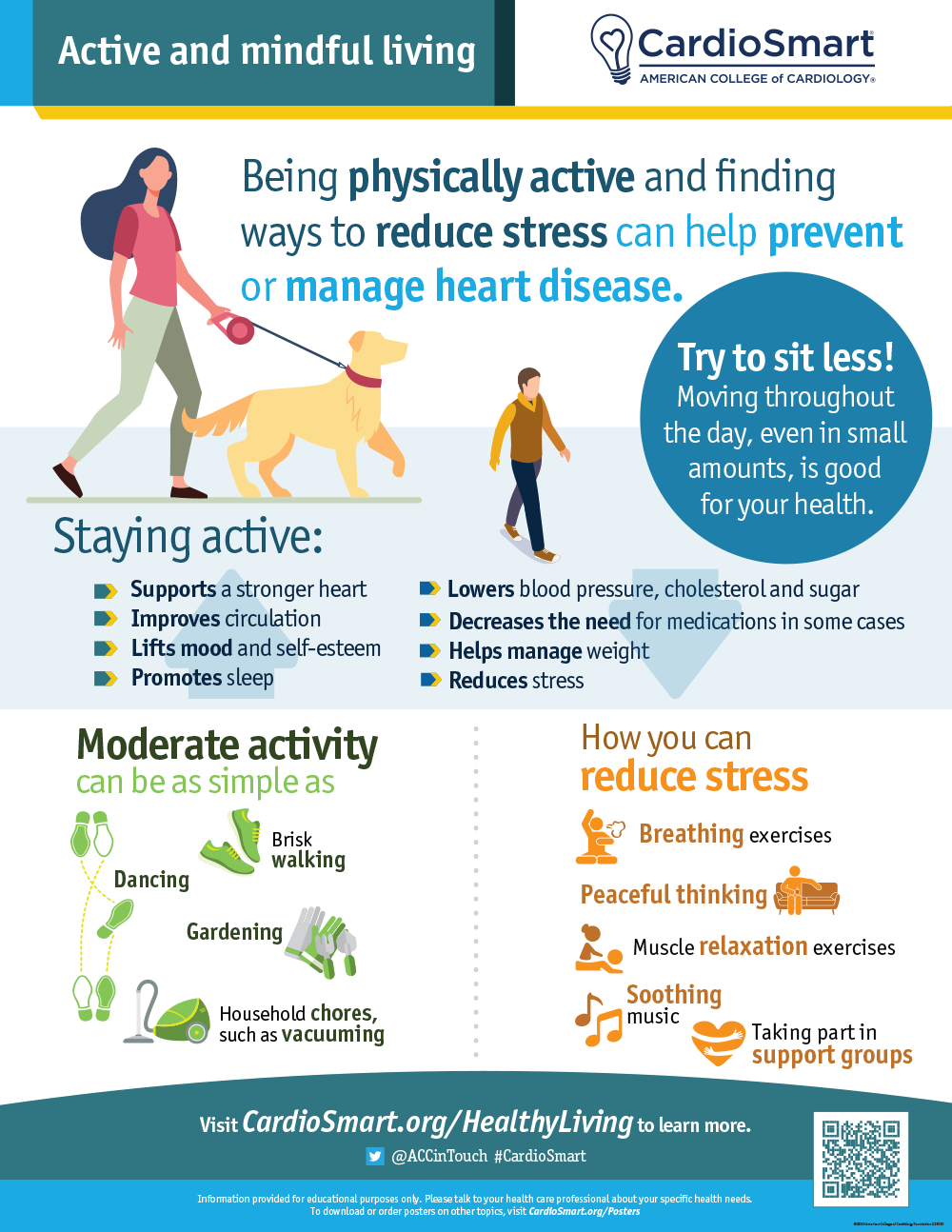
Mindfulness-based interventions like yoga, Tai Chi and meditation foster a more positive outlook by guiding individuals to reduce rumination and focus on the present. These practices reduce inflammation, lower blood pressure and promote good quality sleep.26,27 Regular physical activity benefits the heart directly, boosts mood and reduces stress, contributing to joy and well-being.
Strengthening social connections with family, friends and community provides emotional support, and by reducing loneliness in turn it can reduce cardiac events.28,29 Engaging in acts of kindness, volunteering and pursuing meaningful activities can lead to a sense of purpose, gratitude and belonging, thereby reducing cardiovascular risk.30,31
Fostering joy, optimism and positive social connections is beneficial for mental health – and a powerful tool for preventing and managing cardiovascular disease. A holistic approach to well-being that integrates all these strategies provides protective benefits for overall heart health.32
This article was authored by Rupinder Bahniwal, MD, and Tiffany Brazile, MD, cardiology fellows at Inova Fairfax, VA; and Michael Miller, MD, FACC, at the Corporal Michael J. Crescenz VA Medical Center and Hospital of the University of Pennsylvania, in Philadelphia.
References
- Rozanski A, Bavishi C, Kubzansky LD, Cohen R. Association of optimism with cardiovascular events and all-cause mortality: a systematic review and meta-analysis. JAMA Netw Open 2019;2(9):e1912200. doi: 10.1001/jamanetworkopen.2019.12200. PMID: 31560385; PMCID: PMC6777240
- Cohen R, Bavishi C, Rozanski A. Purpose in life and its relationship to all-cause mortality and cardiovascular events: a meta-analysis. Psychosom Med 2016;78(2):122-33.
- Davidson KW, Mostofsky E, Whang W. Don't worry, be happy: positive affect and reduced 10-year incident coronary heart disease: the Canadian Nova Scotia Health Survey. Eur Heart J 201031(9):1065-70.
- Boehm JK, Chen Y, Qureshi F, et al. Positive emotions and favorable cardiovascular health: A 20-year longitudinal study. Prev Med 2020;136:106103.
- Miller M, Toth P. Stressing the cardiovascular implications of mind-body heart connections. commentary to psychological health, well-being, and the mind-heart-body connection: A Scientific Statement from the American Heart Association. Circulation 2021. Available here.
- Shimbo D, Cohen MT, McGoldrick M, et al. Translational research of the acute effects of negative emotions on vascular endothelial health: Findings from a randomized controlled study. J Am Heart Assoc 2024;13(9):e032698.
- Brown DL. Disparate effects of the 1989 Loma Prieta and 1994 Northridge earthquakes on hospital admissions for acute myocardial infarction: Importance of superimposition of triggers. Am Heart J 1999;137(5):830-6.
- Sheps DS, McMahon RP, Becker L, et al. Mental stress-induced ischemia and all-cause mortality in patients with coronary artery disease: Results from the Psychophysiological Investigations of Myocardial Ischemia study. Circulation 2002;105(15):1780-4.
- Wittstein IS, Thiemann DR, Lima JA, et al. Neurohumoral features of myocardial stunning due to sudden emotional stress. N Engl J Med 2005;352(6):539-48.
- Blechert J, Michael T, Grossman P, e al. Autonomic and respiratory characteristics of posttraumatic stress disorder and panic disorder. Psychosom Med 2007;69(9):935-43.
- Cohen BE, Edmondson D, Kronish IM. State of the art review: Depression, stress, anxiety, and cardiovascular disease. Am J Hypertens 2015;28(11):1295-302.
- Kubzansky LD, Huffman JC, Boehm JK, et al. Positive Psychological Well-Being and Cardiovascular disease: JACC Health Promotion Series. J Am Coll Cardiol 2018;72(12):1382-1396.
- Steptoe A, Wardle J, Marmot M. Positive affect and health-related neuroendocrine, cardiovascular, and inflammatory processes. Proc Natl Acad Sci U S A 2005;102(18):6508-12.
- Zuccarella-Hackl C, Princip M, Auschra B, et al. Association of positive psychological well-being with circulating inflammatory markers: A systematic review and meta-analysis. Neurosci Biobehav Rev 2023;150:105186.
- Miller M, Fry WF. The effect of mirthful laughter on the human cardiovascular system. Med Hypotheses 2009;73(5):636-9.
- Boehm JK, Williams DR, Rimm EB, et al. Relation between optimism and lipids in midlife. Am J Cardiol 2013;111(10):1425-31.
- Hafez D, Heisler M, Choi H, et al. Association between purpose in life and glucose control among older adults. Ann Behav Med 2018;52(4):309-318.
- Matthews KA, Räikkönen K, Sutton-Tyrrell K, Kuller LH. Optimistic attitudes protect against progression of carotid atherosclerosis in healthy middle-aged women. Psychosom Med 2004;66(5):640-4. doi:
- Levine GN, Cohen BE, Commodore-Mensah Y, et al., Psychological health, well-being, and the mind-heart-body connection: A Scientific Statement from the American Heart Association. Circulation 2021;143(10):e763-e783.
- Lichtman JH, Bigger JT Jr, Blumenthal JA, et al. AHA science advisory. Depression and coronary heart disease. Recommendations for screening, referral, and treatment. Prog Cardiovasc Nurs 2009;24(1):19-26.
- Bigger JT, Glassman AH. The American Heart Association science advisory on depression and coronary heart disease: an exploration of the issues raised. Cleve Clin J Med 2010;77 Suppl 3: p. S12-9.
- Behlke LM, Lenze EJ, Carney RM. The Cardiovascular effects of newer antidepressants in older adults and those with or at high risk for cardiovascular diseases. CNS Drugs 2020;34(11):1133-1147.
- Boehm JK, Kubzansky LD. The heart's content: the association between positive psychological well-being and cardiovascular health. Psychol Bull 2012;138(4):655-91.
- Lucchetti G, Granero Al. Optimism, cynical hostility, and incident coronary heart disease and mortality in the women's health initiative. Circulation 2010;121(19):e407.
- Nikrahan GR, Suarez L, Asgari K, et al. Positive psychology interventions for patients with heart disease: a preliminary randomized trial. Psychosomatics 2016;57(4): 348-58.
- Loucks EB, Schuman-Olivier Z, Britton WB, et al. Mindfulness and cardiovascular disease risk: State of the Evidence, plausible mechanisms, and theoretical framework. Curr Cardiol Rep 2015;17(12):112.
- Park SH, Han KS. Blood pressure response to meditation and yoga: A systematic review and meta-analysis. J Altern Complement Med 2017;23(9):685-95.
- Valtorta NK, Kanaan M, Gilbody S, et al. Loneliness and social isolation as risk factors for coronary heart disease and stroke: systematic review and meta-analysis of longitudinal observational studies. Heart 2016.;102(13):1009-16.
- Uchino BN, Trettevik R, Ken de Grey RG, et al. Social support, social integration, and inflammatory cytokines: A meta-analysis. Health Psychol 2018;37(5):462-71.
- Cohen S. Social relationships and health. Am Psychol 2004;59(8):676-84.
- Kim ES, Sun JK, Park N, et al. Purpose in life and reduced incidence of stroke in older adults: 'The Health and Retirement Study.' J Psychosom Res 2013;74(5):427-32.
- Chida Y, Steptoe A. Positive psychological well-being and mortality: a quantitative review of prospective observational studies. Psychosom Med 2008;70(7):741-56.
Keywords: Cardiology Magazine, ACC Publications, Stress Disorders, Post-Traumatic, Loneliness, Depression, Vascular Stiffness, Emotions, Anxiety, Health Behavior
