Join ACC's Interventional Cardiology Member Section on Wednesday, Nov. 19 at 7 p.m. ET for a webinar focusing on the top trials presented at TCT 2025 that will shape interventional cardiology.
In a recent ACC CardiaCast podcast episode, members of ACC's Interventional Cardiology and Imaging Member Sections engage in a dynamic discussion on the frontline management of pulmonary embolism (PE).
Join ACC's Cardiovascular Imaging Member Section on Thursday, Oct. 16 at 2 p.m. ET for a webinar discussing how to apply ACC's 10 Issues for the Clinician in Tricuspid Regurgitation Evaluation and Management: 2025 ACC Expert Consensus Decision Pathway into everyday practice. Experts including lead author, Patrick T. O'Gara, MD, MACC, and author, Rebecca T. Hahn, MD, FACC, will walk through targeted cases, provide practical insights on patient evaluation and more. Learn more and register.
Join ACC's Academic Cardiology Member Section and a distinguished panel of judges on Wednesday, Dec. 3 at 7 p.m. ET as they hear Young Investigators pitch their innovative interventional cardiology research ideas "Shark Tank" style. See which innovative project has the most potential, and gain a deeper understanding of research methodologies, critical appraisal and more. Learn more and register.
The ACC seeking question writers for ACC's FIT Jeopardy Competition at ACC.26, taking place March 28-30, in New Orleans, LA. Each question writer will be responsible for designing 10-20 questions in their area of expertise. Applications are due by Tuesday, Sept. 30. Apply here.
The CMP performance assessment window for CathSAP will be open until Sunday, Sept. 21. Showcase your expertise in interventional cardiology through the online assessment, which can be taken once at any time during the open window. This year's focus will be on case selection and management. Plan ahead.
In response to structural changes and reductions proposed by the Centers for Medicare and Medicaid Services (CMS) in the 2026 Medicare Physician Fee Schedule and Hospital Outpatient Prospective Payment System proposed rules, the ACC has launched an action alert for members to submit their own comments to the agency.
Join ACC's Early Career Member Section's International Work Group on Friday, Sept. 12 at 7 a.m. ET as they cover insights from impactful late-breaking trials from the European Society of Cardiology (ESC) Congress 2025.
Join the cardiovascular quality community Oct. 14-16 for ACC Quality Summit 2025, held this year in Denver, CO.
Shape the future of cardiovascular medicine by sharing your research with the global cardiovascular community at ACC.26, taking place March 28-30, 2026, in New Orleans, LA. The ACC is now accepting abstract submissions across 60 topics and complex clinical case submissions including categories for coronary, peripheral and structural interventional cases.
Be part of the global stage where groundbreaking research, real-world cases and innovative care converge. All submissions are due by Tuesday, Sept. 30 at 1 p.m. ET. Learn more and submit today!
A new focus issue of JACC: CardioOncology delivers cutting-edge research, expert reviews, and insights into the powerful links between cancer and cardiovascular disease – advancing science and shaping the future of patient care. From mechanistic links to clinical outcomes, the collection deepens understanding and advances the science at the intersection of cardiology and oncology. Dive into the full issue.
Watch a recent webinar hosted by ACC's Interventional Cardiology and Fellows in Training (FIT) Member Sections, which discussed the Interventional Cardiology Fellowship Match process. The session reviewed essential insights for FITs, program directors and anyone involved in the match process. Watch the on-demand webinar here.
Join the webinar discussion on DocMatter to read key highlights, hear from colleagues and offer your own perspectives.
Don't miss the chance to join Course Director Valentin Fuster, MD, PhD, MACC, and your colleagues at the Valentin Fuster Cardiovascular Symposium, taking place Dec. 12-14 in New York City.
Join ACC's Interventional Cardiology and Fellows in Training (FIT) Member Sections on Thursday, Aug. 7 at 8 p.m. ET for webinar discussing the Interventional Cardiology Fellowship Match process.
Join ACC's Vascular Disease Member Section on Monday, Aug. 4 at 7 p.m. ET for a webinar focusing on how to train in vascular medicine, build your career and find your path within the field. The webinar will explore how to get started in vascular medicine, how to make the most of your training and what opportunities currently exist. Participants will also hear from clinicians who have taken different paths. Learn more and register.
In an effort to expand the collection of real-world data on patients undergoing renal denervation (RDN) across hospitals in the U.S., the ACC and the Richard A. and Susan F. Smith Center for Outcomes Research at Beth Israel Deaconess Medical Center are collaborating on an RDN module that leverages ACC's CathPCI Registry and the Smith Center's RDN Registry. The collaboration aims to ensure the most vulnerable patients receive optimal, guideline-directed care to reduce uncontrolled high blood pressure. Read more.
The quality improvement work that went into increasing use of the "Meds to Beds" program at Methodist Le Bonheur Healthcare-Germantown in Tennessee was a critical component of the team's journey to achieving ACC's Cardiac Cath Lab Accreditation. See how STEMI Coordinator Lynde M. Sain, MSN, RN, Outpatient Pharmacy Manager Anyarat Anna Rikard, PharmD, BS, AACC, and others improved patient outcomes post PCI and reduced hospital readmissions in the latest issue of Cardiology magazine. Read more.
Keep current and certified in the field of interventional cardiology with the newly updated CathSAP. Through the self-assessment program (SAP), watch comprehensive videos, answer case-based practice questions and create custom quizzes to test your knowledge. Enjoy exclusive access for five years to the most recent scientific advancements, including the 2024 Guidelines on the Management of Lower Extremity Peripheral Artery Disease and Hypertrophic Cardiomyopathy. Plus, with your CathSAP subscription, you have the option to enroll in the free Collaborative Maintenance Pathway (CMP) which integrates continuous learning with assessment to maintain your MOC requirements. Subscribe now.
Join ACC's Federal Cardiology Member Section on Thursday, June 5 at 7 p.m. ET for a webinar discussing mastering chronic total occlusions (CTO) PCI, with a focus on Veterans Health Administration patient management. The webinar will review data, indications and best practices for treating patients with CTOs, and explore some of the controversies surrounding CTO PCI. Credit is offered for this webinar for a maximum of 1 AMA PRA Category 1 Credit(s)™; 1 continuing nursing education contact hour; 1 AAPA Category 1 CME Credit; or 1 Interprofessional Continuing Education credit. Learn more and register now.
In Trials and Tribulations: Top Interventional Trials of 2024, four groundbreaking interventional trials face-off March Madness-style to be crowned top trial! It's just one of more than a thousand presentations from ACC.25, including inspiring keynotes, cutting-edge late-breaking clinical trials, thought-provoking panels and more. ACC.25 attendees with full three-day conference professional registration receive a FREE one-year subscription to ACC Anywhere – login to activate your account. Didn't attend ACC.25? Enjoy a free preview and subscribe to watch the full video, plus thousands more from ACC's top meetings!
Mixed cardiogenic-vasodilatory shock is common in the contemporary cardiac intensive care unit. In a recent state-of-the-art review published in JACC: Advances, Jacob Colin Jentzer, MD, FACC, et al., discuss the potential etiologies, pathophysiology and management of mixed cardiogenic-vasodilatory shock in the context of a proposed novel classification system.
Save your spot and be part of an unforgettable Paris evening at the JACC Journal Reception on May 21 during EuroPCR 2025. Enjoy refreshments while connecting with leading voices in cardiovascular medicine...
The ACC has launched an open comment period for the CathPCI Registry Risk Standardized Bleeding Model. Before completing the 10-minute survey, be sure to review the methodology document. The survey will close on May 10.
Now is your chance to be a part of ACC Quality Summit 2025, taking place Oct. 14-16 in Denver, CO, and share your quality improvement work using the CathPCI Registry, Cardiac Cath Lab Accreditation, Chest Pain Center Accreditation or other data sources on a national stage. "Quality, registry and analytic expertise are the foundational drivers for clinical transformation," says Eleanor A. Huff, MSN, RN, FACC.
Abstracts are due by May 27 for Live Session consideration and June 23 for ePosters. Plus, watch a webinar with Mary Norine Walsh, MD, MACC, on how your abstract submission can also become a published manuscript in JACC: Case Reports. Submit your abstract today.
ACC's new online course, Baroreflex Activation Therapy: Optimizing Treatment of HF, covers the stages of heart failure (HF) where baroreflex activation therapy (BAT) is effective, including its benefits and limitations for early intervention. It also discusses criteria for selecting patients for BAT, the synergy between devices and drugs in HF treatment, and the role of a multidisciplinary team in optimizing BAT to improve patient outcomes. Activities include a patient case quiz and an infographic. Stay tuned as more activities are added this spring. Learn more.
Data regarding fasting prior to elective percutaneous cardiovascular procedures are limited. M. Haisum Maqsood, MD, MS, et al., conducted a meta-analysis of randomized controlled trials to compare safety and patient satisfaction with no fasting vs. fasting before percutaneous cardiovascular procedures, and their findings suggest that no fasting is a reasonable option for patients undergoing these procedures. Read the full research letter published March 10 in JACC: Cardiovascular Interventions.
Join Vivek Kulkarni, MD, FACC, on Friday, March 28 from 1-5 p.m. CT, for a pre-conference workshop designed for navigating the world of research and evidence-based guidelines – with special focus on the TAVR-Unload Trial and 2020 ACC/AHA Valve Disease Guideline. Practice applying JACC articles and clinical guidelines to a real-world case, with guidance from expert coaches in the field, including Sandra M. Oliver-McNeil, DNP, ACNP-BC, FACC; Erica Spatz, MD, FACC; and Muthiah Vaduganathan, MD. Register today for ACC.25, taking place March 29-31 in Chicago, and add the JACC Workshop to your registration. Already registered? Login to your attendee dashboard to add the workshop to your registration.
Join cardiovascular interventionists from ACC's Women in Cardiology Member Section International Work Group on Tuesday, April 22 at 6 p.m. ET as they share insights on how to balance a thriving career with family life. The webinar will highlight the journey of a female interventionist and provide strategies for addressing work-life balance, gender barriers and time management. Learn more.
"This issue of JACC celebrates a transformative era for the treatment paradigm of aortic stenosis, reflecting decades of innovation and clinical impact" write JACC Editor-in-Chief Harlan M. Krumholz, MD, SM, FACC, and Aakriti Gupta, MD, FACC, in a recent Editor's Page published March 3 in JACC. The themed issue of JACC reflects on TAVR, and how it continues to set new benchmarks in structural heart disease management. Read the full editor's page and check out the special issue of JACC.
Carrie Redick, MSN, RN, NEA-BC, and Katie Worthington, DNP, RN, AGACNP-BC, from Morristown Medical Center share their Transcatheter Valve Certification journey in a new on-demand video. The conversation, led by ACC Accreditation Services' Liza St. Clair, MS, BSN, RN, CPHQ, AACC, covers how certification strengthened team collaboration and quality performance, showcasing the impact that guidance from an accreditation review specialist can have in building a high-performing Structural Heart Program. Watch here.
A special focus issue of JACC highlights transformative advancements in tricuspid valve interventions, focusing on innovative therapies, pivotal trial data and expert insights. It includes findings from the TRILUMINATE and TRISCEND II trials, the new Amara Yad anatomical atlases, and more. Read the full issue. Also, join a JACC Journal Club with the TRILUMINATE and TRISCEND II investigators on Wednesday, Feb. 26 at 5:30 p.m. ET. Register here.
At ACC.25, March 29-31, in Chicago, IL, you'll have the opportunity to explore the Coronary, Peripheral and Structural Interventions Learning Pathway. Sessions on cutting-edge topics in interventional cardiology will include management of cardiogenic shock, renal denervation for the management of hypertension, and the lifetime management of valvular heart disease. Plus, get a look at the Cath Lab of the future! Don't miss 300+ sessions spanning 11 learning pathways – register here.
The ACC recognizes more than 2,000 hospitals and facilities participating in NCDR registries and ACC Accreditation Services, including those from the CathPCI Registry, Cardiac Cath Lab Accreditation, the STS/ACC TVT Registry and Transcatheter Valve Certification, in the ACC insert of the 2025 U.S. News and World Report "Best Hospitals" guidebook released Nov. 21. As the global professional home for the entire cardiovascular care team, the ACC is committed to supporting patients, caregivers and health care professionals by ensuring the highest-quality care is delivered to every patient, every time. Explore this year's issue.
Time is running out to showcase your expertise! JACC: Case Reports is seeking standout cases that highlight the critical role of multi-modality imaging in the diagnosis or intervention of complex cardiovascular diseases. Submissions are due by Wednesday, Jan. 15 and must feature the use of at least two distinct imaging modalities – such as fluoroscopy and echocardiography, MRI and CT, 3D printing and angiography, or nuclear imaging and angiography. Don't miss this opportunity to share your insights and advance the field. Submit your case today!
JACC: Case Reports is seeking your best cases illustrating the importance of multi-modality imaging guided diagnosis or intervention for complex cardiovascular diseases. Cases must demonstrate at least usage of two different imaging modalities (i.e., fluoroscopy and echocardiography, MRI and CT, 3D print and angiography, nuclear and angiography, etc.) Submissions are due by Jan. 15, 2025. Learn more and submit today!
There's still time to join your colleagues at the Valentin Fuster Cardiovascular Symposium, taking place Dec. 6-8 in Washington, DC. Explore sessions like:
- Evolving Strategies of Antithrombotic Therapy in Five Stages of CAD;
- Evolving Answers to Ten Top Questions in Acute Coronary Syndromes Excluding Antithrombotic Strategies; and
- Evolving Differences in the Management of Acute Coronary Syndromes.
Gain insights from world-renowned experts and connect with leaders in cardiovascular care – register today before it's too late!
There is an increasing demand on interventional cardiologists to perform coronary angiography (CA) and PCI on patients with prosthetic valves. The ACC developed the Practical Considerations For PCI in Post-TAVR Patients online course to address these gaps in education. Join our expert faculty for a new, self-paced, interactive lesson, "TAVR Valves Comparison" to compare and contrast different TAVR/TAVI valve options and earn 0.75 CME/MOC points! Learn more.
Join your colleagues at ACC.25, taking place March 29-31, 2025, in Chicago, IL, and get the knowledge you need to transform cardiovascular care for all! You'll have the opportunity to discuss the latest science with top experts, learn how clinical guidelines translate into your daily practice, and build lasting connections with your peers. Register by Nov. 20 to SAVE up to $300 with early bird discounts and get all-inclusive access to ACC.25!
Access a new Cardiac Interventions topic – crafted for Advanced PTEeXAM® and Basic PTE™ certification seekers – with EchoSAP.
Transform the future of patient care by sharing your late-breaking clinical trial (LBCT) research with the global cardiovascular community at ACC.25, taking place March 29-31, 2025, in Chicago, IL.
Several abstracts presented at TCT 2024 used data from ACC's CathPCI Registry, Chest Pain – MI Registry and the STS/ACC TVT Registry to evaluate institutional volume and failure to rescue in TAVR, outcomes of sequential TAVR and mitral transcatheter edge-to-edge repair (TEER), the impact of coronary artery disease (CAD) and revascularization on health status and more. Read on.
Join Poonam Velagapudi, MD, MS, FACC, and other distinguished ACC faculty for a new case-based learning activity as part of ACC's Practical Considerations For PCI in Post-TAVR Patients online course. The new activity offers 0.25 CME credits/MOC points, and will detail how to evaluate key procedural considerations for post-TAVR patients in need of PCI procedures. Stay tuned for additional activities. Learn more.
The ACC is currently accepting submissions of Interventional Challenging Cases to be presented at ACC.25, taking place March 29-31, 2025, in Chicago, IL. Submit your case for a chance to transform the future of cardiovascular care by sharing your research with over 12,000 attendees from more than 130 countries. Selected case presenters will have 10 minutes to present followed by five minutes of debate and discussion with the moderator, panel of experts and your peers.
Don't forget the ACC is also accepting submissions for abstracts and complex clinical cases from CV team members, FITs and physicians! The deadline for all submissions is 1 p.m. ET on Tuesday, Oct. 1. Don't miss your chance to be part of ACC.25 — submit your abstract or case today!
NCDR is offering 15% off to any ambulatory surgical center (ASC) that executes a contract for the CV ASC Registry Suite in 2024. As ACC's newest registry, the CV ASC Registry Suite is a powerful tool that can keep a facility updated and ahead-of-the-curve when assessing procedures, outcomes and patient care.
The ACC has released a new online course for interventional cardiologists, Practical Considerations For PCI in Post-TAVR Patients. Led by Poonam Velagapudi, MD, MS, FACC, and other distinguished faculty, the first activity is a self-paced interactive lesson offering 2.5 CME credits/MOC points. As the expanded indications for TAVR in conjunction with the progressive nature of coronary artery disease has placed an increasing demand on interventional cardiologists to perform coronary angiography and PCI on patients with prosthetic valves, the interactive lesson will teach the potential challenges of coronary angiography and PCI, and the special considerations and careful planning required to ensure procedural success. Stay tuned for additional activities. Learn more.

As part of ongoing efforts to report meaningful outcomes and improve patient care, several important updates have been proposed for ACC's IMPACT Registry, including a revised set of procedural outcome modules...
Enhanced dashboards for all NCDR registries – including the CathPCI Registry – are now available. The new dashboards provide robust visualizations and a faster, more dynamic data customer experience to support facilities, health systems and clinical care teams in their commitment to optimizing cardiovascular patient care and outcomes. Learn more about the dashboards' capabilities to provide actionable insights here. Plus, current NCDR and ACC Accreditation Services participants can access an "Introduction to NCDR's New Dashboards" course in the QII Learning Center.
The ACC has selected 50 learners for its 2024-2025 Clinical Trials Research (CTR) program, of whom 28 structural heart cardiologists and surgeons will participate in the program's new REACH (Research, Equity, and Access for Cardiac Health) cohort. View the full list. Learn more about opportunities to advance and sustain programs like CTR here.
In the coming weeks, you may be randomly selected to complete a survey for the American Medical Association's (AMA's) Relative Value Scale Update Committee (RUC). Survey participants will be asked to estimate the typical time, intensity and complexity of their work and the Relative Value Unit (RVU) for the procedure in comparison to a list of reference services with established RVUs. Feedback from these surveys are used to create AMA recommendations to the Centers for Medicare and Medicaid Services. Upcoming surveys will look at the PCI family of codes and the existing code for percutaneous transcatheter closure of the left atrial appendage (LAA), respectively. Check your email folders for survey emails from Matt Minnella via a noreply@qemailserver.com email address. The deadline for both surveys is Tuesday, March 12. Learn more about the RUC process here.
The ACC has officially launched the new CV ASC Registry Suite – the first unified registry for cardiac procedures performed in ambulatory surgery centers (ASCs) and office-based labs. With the expansion of ASCs performing select cardiac procedures on eligible patients throughout the U.S., the newest NCDR registry is the first of its kind to easily fit into the patient care workflow and provide these centers with data-driven insights for measuring care delivery and outcomes. The CV ASC Registry Suite leverages the existing NCDR CathPCI Registry and EP Device Implant Registry platforms and metrics to offer big-picture reviews, at-a-glance assessments and patient-level drilldowns on procedures such as diagnostic cardiac catheterization, PCI, defibrillator and pacemaker implants. Learn more.
Alain Cribier, MD, FACC, the man who pioneered the first transcatheter aortic valve replacement (TAVR), passed away on Feb. 16 at the age of 79.
Join your colleagues in Atlanta, April 6-8, for ACC.24 and explore the Interventional and Structural Learning Pathway ...
Are you a cardiologist, surgeon or doctorate-level educated researcher interested in participating as an investigator and leader in cardiovascular clinical trials research? Apply by Friday, Jan. 12 to join the next cohort of the Clinical Trials Research Program and gain the tools you need to advance your career in clinical trial research. Selected participants will receive support for travel expenses and will be invited to write and submit an original research proposal to be considered for a one-year research award. Learn more and apply.
Get a closer look at the innovations presented by TCT 2023 Shark Tank Innovation Competition finalists in the new focus issue of JACC: Basic to Translational Science. The issue highlights a diverse portfolio of technologies addressing unmet needs in cardiovascular medicine. Read the research letters and find links to presentations and videos on JACC.org.
This article featured in Cardiology Magazine discusses the unmet need for training in endovascular medicine and interventional training. A combined endovascular medicine and interventional fellowship is a subspeciality training program that is most commonly pursued following interventional cardiology training.
U.S. News & World Report recently released the 2024 edition of the "Best Hospitals" guidebook, featuring more than 2,000 hospitals, health systems and facilities participating in NCDR and ACC Accreditation Services.
Looking to enhance your career and skills in clinical research? Apply to be a part of ACC’s 2024 Clinical Trials Research: Upping Your Game program.
If you are attending TCT in San Francisco, join members of the JACC Journals’ editorial boards for a glass of wine and hors d’oeuvres at the JACC Journals Meet and Greet Reception on Monday, Oct. 23 from 6-7 p.m. PT to celebrate the ongoing success of the JACC family of Journals!
The ACC is accepting Interventional Challenging Case submissions for presentation at ACC.24, held April 6-8, 2024, in Atlanta, GA. Cases should highlight interesting interventional challenges and include a brief history of noninvasive testing, angiogram information and interventional details. Selected presenters will have 10 minutes to present followed by five minutes of discussion and debate with the moderator, panel of experts and your peers.
Join us virtually for Cardio-Obstetrics Essentials: Team-Based Management of Cardiovascular Disease and Pregnancy on Dec. 15. This interprofessional course is focused on providing a basic to intermediate level of education on the evolving field of cardio-obstetrics and will convene a uniquely qualified and diverse group of cardiologists, maternal-fetal specialists and cardio-obstetrics team members.
Tune in on Saturday, Sept. 30 at 10 a.m. ET for an in-depth look at complex interventional cases using IVUS and optical coherence tomography imaging.
Applications for the 2024-26 emerging leader mentorship program are now open.
Attending ESC Congress 2023 in Amsterdam? Join JACC: Cardiovascular Interventions Editor-in-Chief David J. Moliterno, MD, FACC, for a Meet-and-Greet event on Sunday, Aug. 27, from 12:30-1:30 P.M. CEST at ACC Stand #B600.
The global health care carbon footprint is expected to triple by 2050, and this environmental footprint contributes to pollution and climate change. An article by Mirvat Alasnag, MD, et al., published July 19 in JACC: Cardiovascular Interventions highlights the need for more sustainable cath lab practices that will lead to future change.
Tune in live on Wednesday, Sept. 20 at 7 p.m. ET to hear ACC FIT members "pitch" their interventional cardiology research ideas. An expert panel, including Nadia Sutton, MD, FACC; Brigitta C. Brott, MD, FACC; and David Moliterno, MD, FACC, will evaluate them and determine which has the most potential.
As part of ongoing efforts to report meaningful outcomes and improve patient care, the ACC has launched an open comment survey for the Chest Pain – MI Registry In-Hospital Risk-Standardized Mortality Model.
As part of ongoing efforts to report meaningful outcomes and improve patient care, the ACC has launched an open comment survey for the In-Hospital or 30-Day Risk-Standardized Mortality Model in patients undergoing PCI risk model.
Access tools and services offered by NCDR and ACC Accreditation Services to improve your facility’s quality of care and patient outcomes with the CathPCI Registry and Cardiac Cath Lab Accreditation.
Tune in live on Tuesday, May 16 at 6:30 p.m. ET, for an in-depth look at the UK Mini-Mitral Trial, presented at ACC.23/WCC, and its implications on the future of mitral valve repair surgery.
Developed through a collaboration with the PCR Tricuspid Focus Group, the April issue of JACC: Case Reports is dedicated to the tricuspid valve. The issue features cases categorized into the subtopics of anatomy and physiology, pacemaker leads, and future directions – each with a podcast summary recorded by Editor-in-Chief Julia Grapsa, MD, PhD, FACC, and members of the editorial board.
The ACC is seeking a qualified candidate to serve as Writing Committee Chair for a new multi-societal advanced training statement on critical care cardiology.
Attending ACC.23/WCC in New Orleans? Mark your calendars for these JACC Journals events!
The ACC, the American Heart Association (AHA) and the Society for Cardiovascular Angiography and Interventions (SCAI) have jointly issued a clinical document outlining competency-based training requirements for interventional cardiology trainees.
The latest issue of JACC: Case Reports presents a combination of cases on imaging and structural interventions, including a case report about what to do when you encounter a right atrial thrombus before an electrophysiology procedure.
The ACC and the Society for Cardiovascular Angiography and Interventions are partnering to present the latest webinar in the monthly Cath Case Discussion series!
Join your colleagues at ACC.23 Together With WCC for a comprehensive overview of both common and cutting-edge topics for interventional cardiologists practicing coronary, structural and endovascular medicine.
Join ACC’s Cardio-Obstetrics Work Group on Monday, Jan. 9 at 8 p.m. ET, for a webinar on the recent JACC: Advances article "The Utilization and Interpretation of Cardiac Biomarkers During Pregnancy."
The U.S. Food and Drug Administration’s (FDA) Center for Devices and Radiological Health Resilient Supply Chain Program is conducting a survey in support of an interagency effort to develop a recommended list of critical medical devices – including device materials, components, parts, or accessories – to improve the nation’s preparedness for future emergencies and implement the National Strategy for a Resilient Public Health Supply Chain.
Beginning in January 2023, JACC: Cardiovascular Interventions will be published exclusively online, and all print publications of its sister journals will be discontinued. Print and online publication of ACC’s flagship journal, JACC, will continue.
Join the ACC and the Society for Cardiovascular Angiography and Interventions (SCAI) for the next Cath Case Discussion on Saturday, Nov. 19 at 10 a.m. ET!
The ACC and the National Heart, Lung, and Blood Institute will be partnering to host another Innovation Pitch Challenge March 4-5, 2023, at ACC.23/WCC in New Orleans.
Perfect your knowledge of interventional cardiology with CathSAP. Not only can CathSAP help you identify knowledge gaps and reinforce existing knowledge, it can also be used for the Collaborative Maintenance Pathway (CMP) – an ACC and ABIM option for meeting Maintenance of Certification (MOC) requirements in Interventional Cardiology.
The ACC recognizes more than 2,000 hospitals, health systems and facilities that participate in NCDR registries and ACC Accreditation Services in the 2023 U.S. News & World Report “Best Hospitals” guidebook, released Sept. 14.
Hot off the presses, the latest issue of Cardiology explores the many ways the ACC is "OutFront" in amplifying the voices of clinicians and patients alike.
Interventional cardiologists at all stages of their professional journeys can gain valuable career insights from distinguished leaders in the field at TCT 2022 in Boston from Sept. 16-19!
Interventional cardiologists at all stages of their professional journey can gain valuable career insights from distinguished leaders in the field at TCT 2022 in Boston from Sept. 16-19!
Submit your Interventional Challenging Case for a chance to be featured at ACC.23/WCC, where you'll have the opportunity to shape the future of patient care by sharing your research with the global cardiovascular community.
In the next ACC/SCAI Cath Case Discussion webinar on Saturday, Aug. 20 at 10 a.m. ET, we’ll tackle MI With Non-Obstructive Coronary Arteries (MINOCA).
The ACC has partnered with Contract Diagnostics to provide comprehensive contract reviews for its members. Join a webinar on Thursday, July 14 at 7:30 p.m. ET, with Jon Appino, Contract Diagnostics founder and chief executive officer, who will focus on the cardiologist’s perspective on physician structures and compensation structures.
The first issue of JACC: Heart Failure under new Editor-in-Chief Biykem Bozkurt, MD, PhD, FACC, and the new editorial board is now live.
The ACC wants to hear from you! As part of ongoing efforts to report meaningful outcomes and improve patient care, the ACC is launching an open comment survey for the CathPCI Registry In-Hospital Risk Standardized Acute Kidney Injury Model.
Now is the best time to take advantage of the Collaborative Maintenance Pathway (CMP) – an alternative option offered by the ACC and the American Board of Internal Medicine (ABIM) for meeting maintenance of certification (MOC) requirements, as well as all other education, licensure and certification needs.
When it comes to meeting maintenance of certification (MOC) requirements, you have choices! With the Collaborative Maintenance Pathway (CMP), there is no need to take a comprehensive exam covering the breadth of your field.
Learn to identify signs and symptoms of Peripheral Artery Disease (PAD) and develop a treatment plan including guideline-directed medical therapy with the Peripheral Artery Disease: Optimizing Treatment Strategies online course
Share your quality improvement successes with an abstract for ACC Quality Summit, scheduled for Sept. 14-16 in Los Angeles, CA, and virtually.
The ACC Interventional, Peripheral Vascular Disease, Early Career, and FIT Sections have partnered with SCAI to host a monthly Cath Case Discussion focusing on hot topics. Join us for our next session on June 18 at 10 a.m. ET, where we will discuss percutaneous mitral valve therapies.
JACC: Case Reports is inviting submissions for a 2022 special themed issue on long COVID cardiac cases. Papers in the form of clinical cases, clinical case series and clinical vignettes will be accepted.
The Practical Management of VTE: Simplifying Anticoagulation Strategies online course will guide you in selecting the best anticoagulant treatment strategies for management of VTE and determining the optimal evidence-based therapy.
A new JACC: Case Reports podcast series, titled Behind the Curtain, gives listeners an inside look at the editorial review process for the recent case of left brachiocephalic perforation during right heart catheterization.
The ACC launched the Severe Aortic Stenosis: Essentials for Assessment and Diagnosis online course to arm clinicians with the latest evidence-based strategies for assessment and diagnosis of patients with AS.
When it comes to meeting maintenance of certification (MOC) requirements, you have choices! If you’re due for an MOC assessment this year, the Collaborative Maintenance Pathway (CMP) is an MOC assessment option that helps meet ALL your needs!
Share your quality improvement successes with an abstract for ACC Quality Summit, scheduled for Sept. 14-16 in Los Angeles, CA, and virtually. Showcase how NCDR and ACC Accreditation Services data has helped improve patient care, processes or qualitative initiatives!
Share your quality improvement successes with an abstract for ACC Quality Summit, scheduled for Sept. 14-16 in Los Angeles, CA, and virtually. Showcase how NCDR and ACC Accreditation Services data has helped you improve patient care, processes or qualitative initiatives!
Clinical manifestations of infective endocarditis (IE) may be limited to the heart or can involve extracardiac structures due to vascular-embolic and immune-mediated events.
When should patients with functional mitral regurgitation be referred to a Comprehensive Valve Center? How far will medical therapy take you?
As he watched many older inoperable patients grow weak and die from calcific aortic stenosis in the 1980s, Alain Cribier, MD, FACC, focused on finding a solution.
"We are now celebrating the 20th anniversary of the first-in-human TAVR procedure," write David R. Holmes Jr., MD, MACC, and Michael J. Mack MD, MACC.
Over the last two decades, the paradigm of care for patients with aortic stenosis (AS) has drastically changed, increasing the frequency of transcatheter aortic valve replacement (TAVR) among patients with high surgical risk, and subsequently for patients at intermediate and low risk.
In the March issue of Cardiology magazine, David E. Kandzari, MD, FACC writes about the potential of renal denervation (RDN) as treatment for hypertension alongside pharmaceutical therapies and lifestyle interventions.
In the March issue of Cardiology magazine, Sandeep Krishnan, MD, RPVI, FACC, writes about key considerations in imaging for aortic stenosis and mitral regurgitation to optimize protocols and education.
Now is the best time to take advantage of the Collaborative Maintenance Pathway (CMP) – an alternative option offered by the ACC and the American Board of Internal Medicine (ABIM) for meeting maintenance of certification (MOC) requirements, as well as all other education, licensure and certification needs.
Dedicated to interventional procedures and imaging, the latest issue of JACC: Case Reports features two illustrative Heart Care Team/Multidisciplinary Team Live cases.
Join ACC Accreditation Services for a webinar on March 2 at 4 p.m. ET on the benefits of Transcatheter Valve Certification.
The ACC Interventional, Peripheral Vascular Disease, Early Career, and Fellows-in-Training Sections have partnered with SCAI to host a monthly Cath Discussion focusing on hot topics.
The ACC is excited to announce the launch of its new Critical Care Cardiology Member Section! Where once the coronary care unit treated primarily patients with acute coronary syndrome, modern cardiac intensive care units (CICU) care for much more diverse group of patients with cardiac and noncardiac critical illnesses.
The ACC and Society for Cardiovascular Angiography and Interventions (SCAI) are hosting a joint webinar on Jan. 25, 7:30 – 9pm ET, which will address the unprecedented national and global medical staffing crisis facing private practices, hospitals and health systems.
The newest clinical guideline from the ACC and American Heart Association, in partnership with the Society for Cardiovascular Angiography and Interventions, provides an evidence-based approach to the treatment and management of patients with coronary artery disease who are undergoing coronary revascularization.
The last Collaborative Maintenance Pathway (CMP) Performance Assessment window this year for CathSAP, is taking place Dec. 8 – 14.
In case you missed it, the ACC provided coverage of the hottest trials that came out of the 2021 Transcatheter Cardiovascular Therapeutics (TCT) meeting, including FAME 3, PRAGUE-17, STOPDAPT-2 and more.

Join global cardiovascular interventional experts, including Roxana Mehran, MD, FACC, and Jean-Phillippe Collet, MD, PhD for an insider look at the evolving frontiers of intervention during the New York Cardiovascular Symposium, Dec. 11 – 12!
Meet your education, licensure and certification requirements with the Collaborative Maintenance Pathway (CMP).
The ACC created the online course, Understanding and Managing MR: Evolving Science and Policy, to address knowledge gaps in the assessment and management of mitral regurgitation (MR).
The ACC launched the Severe Aortic Stenosis: Essentials for Assessment and Diagnosis online course to arm clinicians with the latest evidence-based strategies for assessment and diagnosis of patients with aortic stenosis (AS).
The ACC recognizes more than 2,000 hospitals, health systems and facilities that participate in NCDR registries and ACC Accreditation Services in the 2022 U.S. News & World Report "Best Hospitals" guidebook, released Sept. 14.
As part of ongoing efforts to report meaningful outcomes and improve patient care, the STS/ACC TVT Registry is launching an open comment period for a new clinical prediction model to predict a poor outcome after mitral transcatheter edge-to-edge repair (TEER).
JACC: Case Reports is inviting submissions of cases representing interventional, surgical, structural, electrophysiological and transcatheter procedural complications for a special themed issue planned for 2022.
Join colleagues from ACC’s Interventional, Early Career and Fellow in Training Sections for another Cath Case Discussions webinar on Saturday, July 17, at 10 a.m. ET.
The deadline for abstracts for ACC Quality Summit, Sept. 29 – Oct. 1, has been extended to 11:59 p.m. on July 8!
The latest installment of JACC: Case Reports is now available through open access and features a mini-focus issue on transcatheter interventions.
Did you know? You now have the option to use CathSAP to maintain your American Board of Internal Medicine (ABIM) certification through the Collaborative Maintenance Pathway (CMP).
The inaugural issue of JACC: Asia is now live. JACC: Asia is the first region-specific cardiovascular journal with original peer-reviewed content, featuring state-of-the-art reviews, original research papers, editorial comments and research letters by Asian authors and focused on Asian patient populations.
Are you preparing for initial board certification, a maintenance of certification assessment or seeking an in-depth review of interventional cardiology?
The latest issue of JACC: Case Reports puts a spotlight on interventional cardiology in a dedicated mini-focus section.
The ACC Imaging Section Leadership Council and JACC: Case Reports editorial board will review cases on TAVI complications during a live presentation and expert case discussion on Wednesday, June 30, at 12 p.m. ET.
Have thoughts about the Late Breaking Clinical Trials and Hot Topics? We want to hear them!
A better understanding of variations in total cost of care for PCI, when evaluated against related quality of care measures in the CathPCI Registry, may help facilities improve the value of care delivery.
Join the ACC's CV Disease in Women Committee on Sunday, April 25 at noon ET for a can't-miss, cardiology fact-based competition featuring legends in the field of heart disease in women.
As part of ongoing efforts to report meaningful outcomes and improve patient care, the ACC is launching an open comment period for the CathPCI Registry In-Hospital Risk-Standardized Mortality Model.
Learn from leading experts about the latest cardiothoracic hot topics in two new MedAxiom presentations.
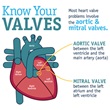
Join the ACC in recognizing National Heart Valve Disease Awareness Day on Feb. 22 as part of American Heart Month.
A new ACC Expert Consensus Decision Pathway aims to address the uncertainty around same-day discharge after PCI and provides a checklist of clinical, social and facility/systems factors that clinicians can use to help determine whether a patient can be safely considered for same-day discharge.
The virtual conference held by the American Heart Association (AHA) in November has left us with new data from a broad range of late-breaking trials.
Join the ACC Interventional, Early Career and Fellows in Training Section Leadership Councils for webinar, Dec. 19 at 10 a.m. ET, discussing bifurcation techniques.
TCT Connect 2020 delivered a rich meeting across a wide range of topics in interventional cardiology. In this Cardiology article, M. Chadi Alraies, MD, FACC, provides the top five takeaways that have brought new insights for his practice, including findings from DEFINE-PCI, DISRUPT CAD III, VOYAGER PAD and more.
ACC’s Interventional, Early Career and Fellows in Training Section Leadership Councils will host a monthly Cath Webinar focusing on CHIP-shock hot topics.
Editorial board members from JACC: Case Reports, JACC: Cardiovascular Imaging and JACC: Cardiovascular Interventions will host a join Virtual Journal Club on Tuesday, Dec. 1 from 12 – 1 p.m. ET, discussing research on valvular heart disease and structural interventions.
The College has released guidance for the use of NCDR data for external accountability, such as health insurance payer programs or employment compensation programs.
JACC: Case Reports posted a new video in which Associate Editor Mladen I. Vidovich, MD, FACC, discusses a case recently published in the Journal of hemodynamic changes using pressure-volume loop analyses in PCI-induced shock.
Innovation in the vascular access space is ongoing to optimize procedural success, reduce complications, and improve outcomes and patient satisfaction.
The ACC will be covering the latest science from the virtual TCT 2020 conference next month (Oct. 14 – 18). Just-announced Late-Breaking Clinical Trials include findings from the STS/ACC TVT Registry.
Join the ACC Geriatric and Interventional Cardiology Sections for case-based presentations, Oct. 15 at 7 p.m. ET, showing the many intersections between the care of the geriatric patient and interventional cardiology.
EuroPCR continued the shift to virtual conferences, and their e-course delivered notable interventional trials and hotline topics.
In a recent Cardiology article, Peter C. Block, MD, FACC, focuses on a central question: how does CAD relate to myocardial ischemia? He notes that if a stable mid-coronary lesion is present, perhaps the real site of action is all downstream.
Addressing the COVID-19 pandemic requires a coordinated plan that balances quality patient care with the safety of health care workers, all while maintaining consistent access to care for patients with and without COVID-19.
JACC: Case Reports will publish a special themed issue on complications this December. Authors are invited to submit cases representing interventional, electrophysiology and transcatheter complications for consideration on or before Monday, Sept. 7.
In a recent Cardiology article, Ramya C. Mosarla, MD, and Eric A. Secemsky, MD, MSc, FACC, explain how intravascular ultrasound (IVUS) provides a valuable intra-luminal perspective for both arterial and venous interventions.
Join the ACC Interventional Section for a webinar on Aug. 5 at 8 a.m. ET about the role of mechanical circulatory support during the COVID-19 pandemic.
ACC's new CardioSmart website is designed to emphasize the value of the patient and clinician partnership to personalize care. With the goal of better connecting patients with their clinicians to prevent or treat heart disease, the new CardioSmart.org, provides information on heart conditions and trusted resources and tools to support important health conversations and foster a strong partnership.
In a recent Cardiology article, Nick Curzen, BM (Hons), PhD, FRCP, comments that the ISCHEMIA is a helpful trial and should prevent unnecessary revascularization in patients whose angina is well treated by optimal medical therapy alone.
Temporary mechanical circulatory support (MCS) is an attractive and intuitive option when medical approaches to supporting a weakened heart are insufficient. But while the field is a growing one, it is also one that has produced a jumbled evidence base for a range of devices and a smattering of indications.
Learn techniques and strategies for publishing in JACC Journals during a free webinar presented by JACC: Cardiovascular Interventions Editor-in-Chief David J. Moliterno, MD, FACC, on Thursday, July 30 at 9 a.m. ET.
Join Gregory Piazza, MD, FACC, and Marc Bonaca, MD, FACC, for a webinar on July 22 at noon ET to discuss the rapid implementation of telemedicine in the response to the COVID-19 pandemic.
The newly released 2019 Journal Citation Report for Cardiac and Cardiovascular Systems ranks four JACC Journals in the top 12 among all 141 English-language cardiovascular journals. JACC is celebrating an impressive threshold, passing an Impact Factor of 20 and an overall rank of third among cardiovascular journals worldwide.
In a recent Cardiology article, M. Chadi Alraies, MD, FACC, discusses the top interventional takeaways from SCAI 2020 Virtual.
Complimenting the theme of the latest JACC: Case Reports issue, Editor-in-Chief Julia Grapsa, MD, FACC, has recorded a series of informative clinical case review videos on cardiovascular complications.
In a recent Cardiology article, John Lisko, MD, MPH, explains how the fundamental goal of transcatheter electrosurgery is to move conventional surgical techniques to the tip of a long guidewire.
The ACC and Society for Vascular Surgery (SVS) announced that ACC's PVI Registry will collaborate with the SVS Vascular Quality Initiative to support and steer a single vascular registry.
Recently, the COVID-19 pandemic has significantly delayed "elective" procedures – including TAVR at many centers. As centers begin to resume elective cases, with a backlog of postponed cases, there likely will be a need to further streamline patient care.
Find out how FITs spun up a real-time virtual support system and community in response to the rigors and effects COVID-19 on their education and careers.
The ACC together with other North American cardiovascular societies has issued a framework for safely and ethically reintroducing invasive cardiovascular procedures and diagnostic tests after the initial peak of COVID-19.
Watch expert analysis and discussion on the JACC: Case Reports April mini-focus issue on valvular heart disease and structural interventions.
Submit your abstract for ACC Quality Summit, scheduled for Oct. 7 – Oct. 9 in Orlando, FL.
NCDR and ACC Accreditation Services recognize the incredible challenges hospitals and front-line health care workers are facing while providing lifesaving measures for their patients during the COVID-19 pandemic.
A joint statement from the ACC Interventional Council and the Society of Cardiovascular Angiography and Intervention (SCAI) addresses catheterization (cath) lab considerations in light of the COVID-19 pandemic.
William L. Winters Jr., MD, MACC, a long-recognized leader in cardiology and a revered educator and mentor, passed away on March 13. Winters served as ACC president from 1990-1991.
The ACC is seeking comments on a draft of the 2020 ACC Expert Consensus Decision Pathway for Anticoagulant and Antiplatelet Therapy in Patients with Atrial Fibrillation or Venous Thromboembolism Undergoing Percutaneous Coronary Intervention or with Atherosclerotic Cardiovascular Disease.
Latin American interventional cardiologists have been involved in structural heart disease programs since the very beginning. Although rheumatic valve diseases have significantly decreased, ageing population is steadily increasing its degenerative heart valve disease.
Join the ACC in recognizing National Heart Valve Disease Awareness Day on Feb. 22 as part of American Heart Month.
Meet with ACC Interventional and PVD Section members and hear updates on each Section's accomplishments and future endeavors at the joint Interventional and PVD Section Meeting, taking place March 29 at 6 p.m. CT at the Marriott Marquis Chicago, at ACC.20/Together With World Congress of Cardiology (ACC.20/WCC).
The ACC is seeking comments on a draft of the 2020 ACC Expert Consensus Decision Pathway on Same-Day Discharge After PCI. The document guides clinicians through a checklist to help determine whether a patient should be considered for an overnight stay versus same-day discharge after a PCI. The checklist includes both clinical and social factors.
The ISCHEMIA trial showed that in patients with stable angina and moderate to severe ischemia on stress testing, an invasive strategy coupled with optimal medical therapy (OMT) produces no benefit over OMT alone at the roughly three-year follow-up. In a recent Cardiology article, Peter C. Block, MD, FACC, provides detail about the ins and outs of the trials, and notes that now both the COURAGE and ISCHEMIA trials imply that reducing myocardial ischemia may make you feel better, but does not affect other outcomes.
Pulmonary embolism (PE) remains the third leading cause of cardiovascular death. Although major advances in care have been made for myocardial infarction and stroke, PE has yet to experience its clinical renaissance.
Chili Pepper Consumption and Mortality in Italian Adults by Marialaura Bonaccio, PhD, et al. received the most online attention among research published in the Journal of the American College of Cardiology (JACC) in 2019.
Join Glenn N. Levine, MD, FACC, recent chair of the DAPT Guideline Focused Update and chair of the ACC/AHA Task Force on Clinical Practice Guidelines, for a webinar on Monday, Feb. 20 at 7 p.m. ET.
Join the ACC for a webinar, Jan. 23 at 7 p.m. ET, discussing uncrossable and nondilatable coronary lesions with tips and tricks from leading experts in the field.
The highly anticipated second issue of JACC: CardioOncology features an impressive lineup of original research, reviews and case challenges on topics such as hypertension in cancer patients and survivors, ATTR amyloid, ischemia and bleeding in cancer patients undergoing PCI, cardiovascular prevention strategies in breast cancer and more.
In a recent Cardiology article, John Lisko, MD, MPH, Fellow in Training at the Emory Structural Heart and Valve Center, discusses how in an effort to improve outcomes in patients without suitable femoral arterial access, alternative access strategies have been developed.
ACC's newest JACC Journal, JACC: CardioOncology, will publish its second issue on Tuesday, Dec. 17. The highly anticipated second issue will be feature state-of-the-art reviews, primers, research letters, viewpoints and case challenges on topics such as ischemia and bleeding in cancer patients undergoing PCI, hypertension in cancer patients and survivors, increased cancer prevalence in peripartum cardiomyopathy, and much more.

At TCT 2019, the COAPT trial again held center stage, as three-year follow-up of patients in the trial was presented. There were also reports on quality of life outcomes and cost effectiveness, which answered yes or no questions: Does MitraClip improve quality of life for patients with MR? Does the cost merit its use?
A joint effort from all stakeholders may be the only way achieve equitable and broad application of aortic stenosis (AS) treatment and other novel structural heart disease treatment modalities, according to a perspective from ACC's Interventional Section Leadership Council published Oct. 28 in the Journal of the American College of Cardiology.
There are a lot of big ways to get involved with the College – being on a Section Leadership Council, participating on a taskforce or committee, or serving as faculty for a live course, to name a few. However, we know that not everyone has the time for some of these larger-scale commitments. That's why the ACC is excited to announce the launch of our Microvolunteering Platform.
Applications are now being accepted for the ACC Leadership Academy Cohort IV, which will launch at ACC.20/World Congress of Cardiology in Chicago, IL.
Join the ACC for a webinar, Nov. 12 at 7 p.m. ET, to discuss Double Kiss Crush (DK Crush) stenting for left main and non-left main bifurcation lesions.
This year's European Society of Cardiology (ESC) Congress 2019 in Paris had plenty of late-breaking science and updates for interventional cardiologists.
Join world-renowned cardiologist and course director Valentin Fuster, MD, PhD, MACC, at ACC's New York Cardiovascular Symposium, taking place Dec. 6 – 8.
A total of 19 manuscripts and eight supporting editorials are simultaneously publishing in the Journal of the American College of Cardiology (JACC) and JACC: Cardiovascular Interventions during TCT 2019, taking place Sept. 24 – 29 in San Francisco, CA.
Hosted by Editor-in-Chief David J. Moliterno, MD, FACC, the JACC: Cardiovascular Interventions reception at TCT 2019 is an exciting opportunity to network with colleagues and gain behind-the-scene insight into the journal's review and publication processes.
Safe, streamlined guidance on procedural sedation in urgent or unscheduled cases may be helpful for cardiologists, according to a perspective from ACC's Electrophysiology, Interventional and Imaging Section Leadership Councils, published Sept. 9 in the Journal of the American College of Cardiology.
The latest issue of Cardiology includes special highlights in interventional cardiology. Learn about the cutting-edge structural interventions in the BASILICA procedure; read a first-had experience on pregnancy and motherhood during interventional cardiology training; and review takeaways from the third annual Cardiovascular Innovations meeting in Denver, CO, an interactive educational conference for coronary, peripheral and structural heart disease.
The U.S. Food and Drug Administration (FDA) has approved an expanded indication for several transcatheter heart valves (Sapien 3, Sapien 3 Ultra, CoreValve Evolut R and CoreValve Evolut PRO) to include patients with severe aortic valve stenosis at low surgical risk.

Join the ACC Interventional Section for a free webinar, Aug. 27 at 7 p.m. ET, on large bore arterial access, management and complications.
Join your colleagues for the highly interactive and unique Heart Valve Summit: Medical, Surgical and Interventional Decision Making, taking place Oct. 3 – 5 in Chicago, IL.
Cardiology is the ACC's flagship member magazine — your member magazine — providing cardiovascular professionals with a comprehensive source for clinical and professional news. Find links to all of the July issue's articles and share on social media!
Join us for a webinar on Tuesday, June 25 at 1 p.m. ET to learn about the use of BASILICA and LAMPOON techniques in transcatheter valve therapies.
The ACC has made a select number of travel awards available to cover expenses for members to travel to ACC's 2019 Legislative Conference, Nov. 3 5, in Washington, DC.
ACC's CardioSmart team has created the "My Plan For Starting a PCSK9 Inhibitor" tool to help patients track changes to their LDL-C levels, know what to discuss with their clinicians and understand expectations when getting started on a PCSK9 inhibitor.
The ACC.19 Meeting Coverage Page on ACC.org now features post-meeting content on invasive cardiovascular angiography and intervention to reinforce the teaching points and education presented during ACC.19.
In a recent expert analysis on ACC.org, James E. Tcheng, MD, FACC, et al., discuss the vision of big data and its relevance to health care.
Are you seeking an intimate and engaging educational experience as you prepare to certify or recertify for the ABIM Board Exams?
The ACC and the American Board of Internal Medicine (ABIM) have announced a new Collaborative Maintenance Pathway (CMP) option for certified cardiologists who wish to maintain their board certification.
The ACC is seeking comments on a draft of the 2019 AATS/ACC/SCAI/STS Expert Consensus Systems of Care Document: Operator and Institutional Recommendations and Requirements for Transcatheter Mitral Valve Repair.
Get a unique perspective on ACC.19 by following this year's Learning Pathway Tweeters.
Open seats are now available on the American Board of Internal Medicine's (ABIM) Item-Writing Task Forces.
Facilitate knowledge exchange, communication and collaboration among cardiovascular professionals at ACC.19 during the Interventional Section Meeting and Reception, taking place Friday, March 15, from 7:30 9 p.m. CT.
Join the ACC Interventional Council's Structural Heart Disease Work Group for a webinar, Feb. 26 at 6 p.m. ET, on lessons learned from established TAVR programs.
Join us at the ACC.19 All-Section Reception, March 17, from 6:30 p.m. – 8 p.m., at the Hilton New Orleans Riverside, Grand Ballroom A.
ACC.19 will feature five Late-Breaking Clinical Trial (LBCT) Sessions and three Featured Clinical Research Sessions where practice-changing cardiovascular research will be released.
Directly addressing the unique barriers cited by women in interventional cardiology may provide the most impact in reducing gender imbalances in the field, according to a study published Jan. 16 in JACC: Cardiovascular Interventions.
Take advantage of free, online certified educational activities to fulfill your 2018 CME requirements and earn MOC credit at the same time!
As the field of transcatheter heart valve interventions has exponentially expanded in the last decade, so has the variety of settings and operators involved.
In the latest issues of Cardiology, deep-dive into the emerging risk factors of gestational hypertension and preeclampsia.
Identifying barriers and providing potential solutions to empower more women to join interventional cardiology may be crucial in addressing the significant gender disparity within the specialty, according to an article published Nov. 19 in the Journal of the American College of Cardiology.
The cover and feature stories in the latest issue of Cardiology: Interventions highlights the biggest interventional trials from ESC Congress 2018 and TCT 2018.
In this deep-dive video discussion, Valentin Fuster, MD, PhD, MACC; Deepak L. Bhatt, MD, MPH, FACC; Anne B. Curtis, MD, FACC; Peter Libby, MD, FACC; and Marc Ruel, MD, MPH, share their perspectives on the most significant science released during AHA.18.
From Sept. 30 - Oct. 2, I attended the 2018 ACC Legislative Conference in Washington, DC, on behalf of the Interventional Section Leadership Council. Listed below are my "Top 10" take-aways from this action-packed, influential meeting.
Join ACC's Interventional Section Council on Nov. 1 at 7 p.m. ET, to view the second webinar in a four-part series focused on structural heart disease.
Despite recent advances and availability of multiple mechanical circulatory-support devices, mortality remains at 50 percent in patients presenting with acute myocardial infarction complicated by cardiogenic shock (AMICS).
Earn CME/CNE/MOC credit with this challenging Certified Patient Case on treating patients with severe aortic stenosis (AS).
The September 2018 issue of Cardiology, YOUR member magazine, is now live! Cardiology provides cardiovascular professionals with comprehensive clinical, professional and health policy news; feature-length articles on the top trends and innovations in cardiovascular medicine; expert commentary from leaders in the cardiovascular field; quick-read summaries of the latest research from the JACC Journals and other major cardiovascular journals; profiles of ACC members, like you; and so much more!
The American Board of Internal Medicine’s (ABIMs) competency-based pilot in internal-medicine cardiology may offer an opportunity for a paradigm shift in graduate medical education training of future cardiovascular specialists, according to a Fellows in Training/Early Career column published Sept. 10 in the Journal of the American College of Cardiology.
ACC.19 registration is NOW OPEN exclusively for ACC members. Nonmember registration will open Wednesday, Sept. 26. Register early for the lowest rates and best selection of hotel rooms!
Joseph D. Babb, MD, FACC, a pioneer in interventional cardiology and prominent Fellow of the American College of Cardiology (FACC), died recently at age 79.
If you are attending TCT 2018, please mark your calendar and join your colleagues for a JACC: Cardiovascular Interventions dessert reception on Sept. 22 from 8:30 - 9:30 p.m. PT at the Marriott Marquis San Diego Marina. Anyone interested in learning more about the journal is invited to attend.
A series of eight state-of-the-art reviews is now publishing in the Journal of the American College of Cardiology (JACC). One review is publishing each week, examining the top risk factors affecting the cardiovascular health of patients: diet, tobacco, lipid control/cholesterol, blood pressure, psychological health, weight, physical activity and blood sugar.
The August 2018 issue of Cardiology, YOUR member magazine, is now live! Cardiology provides cardiovascular professionals with comprehensive clinical, professional and health policy news; feature-length articles on the top trends and innovations in cardiovascular medicine; expert commentary from leaders in the cardiovascular field; quick-read summaries of the latest research from the JACC Journals and other major cardiovascular journals; profiles of ACC members, like you; and so much more!
The ACC.18 Meeting Coverage Page on ACC.org features post-meeting content from the Interventional Cardiology Learning Pathway to reinforce the teaching points and education presented during ACC.18. Catch up on the REPRISE III and VEST trials with summary slides.
The latest issue of Cardiology: Interventions highlights key trials from SCAI, HRS and EuroPCR and provides a closer look at the potential for axillary artery access for large bore catheter interventions.
The ACC.18 Meeting Coverage Page on ACC.org features post-meeting content from the Interventional Cardiology Learning Pathway to reinforce the teaching points and education presented during ACC.18. Catch up on the ODYSSEY OUTCOMES, SMART-DATE, TREAT and SECURE-PCI trials with summary slides.
The ACC.18 Meeting Coverage Page on ACC.org now features post-meeting content that is meant to reinforce the teaching points and education presented during ACC.18 from the Interventional Cardiology Learning Pathway.
Join ACC’s Interventional Council for a free webinar, May 15 at 7 p.m. ET, to discuss the current status of cardiogenic shock. Topics will include cardiogenic shock detection, timeliness of intervention, hemodynamic parameters, mechanical support devices and present initiatives to reduce mortality.
The Commission on Continuing Board Certification: Vision For the Future is seeking stakeholder feedback on the current state of board certification. The Commission – which comprises physicians, professional medical organizations, national specialty and state medical societies, hospitals and health systems, the general public and patients, and the 24 Member Boards of the American Board of Medical Specialties – is working to assess the current state of continuing board certification and envision a framework for the future.
The cover story in the latest issue of Cardiology: Interventions highlights practice-changing, insightful research from ACC.18.
ACC’s Surgeons and Interventional Member Section Councils have created a transcatheter heart valve handbook to provide a single source of introductory information on aortic, mitral and pulmonary transcatheter valve technology, intended for residents and Fellows in Training in cardiovascular medicine and cardiothoracic surgery.
Adopting a hybrid attending-fellow-in-training (AFIT) training model may offer a solution to funding an additional year of training for structural heart disease (SHD) trainees, while also allowing them to act as part-time interventional cardiology attendings, according to a Fellows in Training/Early Career column published Feb. 12 in the Journal of the American College of Cardiology.
The cover story in the latest issue of Cardiology: Interventions examines the emerging role of inflammation in cardiovascular disease, including findings from the CANTOS trial.
The Centers for Medicare and Medicaid Services (CMS), through its Innovation Center, released a new voluntary bundled payment model on Jan. 9 called Bundled Payments for Care Improvement Advanced (BPCI Advanced). This model is intended to build on the lessons from the current Bundled Payments for Care Improvement model that will conclude later this year.
Join the ACC Interventional Member Council on Feb. 12, at 7:00 p.m. ET, to view the first webinar in a four-part series focused on structural heart disease.
On Dec. 12, the ACC Interventional Member Council provided an overview of the institutional requirements and desired physician skill sets necessary to build a complex coronary intervention program. They also discussed potential patient populations, referral sources and potential reimbursement related to this program.
Two recently published expert analyses on ACC.org discuss various perspectives on the latest topics in interventional cardiology. In the first expert analysis, George W. Vetrovec, MD, MACC, reviews significant findings that were announced at the 2017 Transcatheter Cardiovascular Therapeutics Meeting and the 2017 American Heart Association Scientific Sessions. He focuses on the comments of experts who discuss their views on the relevance, significance and even limits of the trials, including opportunities for future investigations.
The day of Sept. 16, 1977, is recalled by pioneering interventionalists as the day coronary revascularization changed for patients and the yet-to-evolve interventional cardiologists.
Based on continued feedback from the internal medicine community, including physicians and societies like the ACC, the American Board of Internal Medicine has announced two updates to its Maintenance of Certification (MOC) requirements involving MOC Part IV and the new Knowledge Check-In option
In the latest ACC Cardiology Hour, Valentin Fuster, MD, PhD, MACC, is joined by Deepak L. Bhatt, MD, MPH, FACC; Rachel J. Lampert, MD, FACC; Prediman K. Shah, MD, MACC; and Chadwick W. Stouffer, MD, in a roundtable discussion of the hottest trials from AHA 2017 in Anaheim, CA. Among the trials discussed are DACAB, CANVAS, EXSCEL, POISE-2 and more.

The ACC, along with the American Heart Association and the Heart Rhythm Society, have published new guidelines for the treatment of adult patients with ventricular arrhythmias (VA) or who are at risk for sudden cardiac death. The new guidelines replace the 2006 ACC/AHA/SC Guidelines for Management of Patients With Ventricular Arrhythmias and the Prevention of Sudden Cardiac Death and provide recommendations regarding general evaluation of patients with documented or suspected VA; treatments, therapies and prevention of VA; acute management of specific VA; and VA in the structurally normal heart.
The National Quality Forum’s Cardiovascular Standing Committee is accepting applications for its upcoming measure review cycle to evaluate new and previously endorsed performance measures for heart disease.
Surveys assessing the physician work necessary to perform (1) leadless pacemaker implantation and explantation, (2) pulmonary wireless monitor implantation and management and (3) pediatric thermodilution studies are being distributed to members throughout the month of October. If you are randomly selected and receive a survey, please take 15 – 30 minutes to thoughtfully complete it. Annual updates to the physician work relative values are based on recommendations from the Relative Value Scale Update Committee (RUC).
The ACC, Heart Failure Society of America (HFSA), Heart Rhythm Society (HRS) and Society for Cardiovascular Angiography and Interventions (SCAI) have announced a partnership to develop new modules to help subspecialty cardiologists potentially meet collaborative maintenance pathway requirements equivalent to satisfying the American Board of Internal Medicine’s (ABIM’s) current 10-year maintenance of certification (MOC) examination.
The cover and feature stories in the latest issue of Cardiology: Interventions provides insights for refining clinical practice from trials presented at ESC Congress.
The ACC is accepting public comments on the PVI Registry Version 2.0 upgrade. Physician leaders and other registry stakeholders recommended upgrading the registry with a phased approach for additional interventional procedures.
In conjunction with the ACC Committee Nominations cycle, the College’s Membership Committee is now accepting applications through Sept. 22. The Membership Committee was established as part of the 2015 College’s governance transformation and serves as standing committee of the College, reporting directly to the Board of Trustees.
The ACC, American College of Physicians (ACP) and American Society of Clinical Oncology (ASCO) are working with the American Board of Internal Medicine (ABIM) to begin exploring development of collaborative maintenance pathways through which physicians can maintain board certification. For cardiology, the ACC would provide clinicians with learning material and assessments modeled after its lifelong learning self-assessment program.
On the eve of Election Day 2016, Twitter was determined to be the largest source of breaking news with a reported 40 million tweets. Donald Trump's fondness for Twitter was evident throughout his presidential campaign and the election may have inadvertently given spark to a form of social media that was stagnant for several years and on the verge of collapse. Twitter was created in 2006 as an online news and social networking service. It was the brainchild of four computer programmers who wanted a new way to send texts on their cellphones. Despite what preconceived notion there may be about Twitter, it is not just a way to tell your friends what you ate for lunch. It has evolved into a powerful communication tool with great potential for medical applications.
Watch the new "ACC Cardiology Hour," an expert roundtable discussion of the hottest trials from ESC Congress 2017.
The ACC held an appropriate use criteria (AUC) summit on Aug. 9 at Heart House in Washington, DC. The summit provided an overview of the Centers for Medicare and Medicaid Services' forthcoming AUC program, with discussion among participants about where the program is headed and how the AUC community, including the ACC, can help.
The August 2017 issue of Cardiology, ACC’s flagship member magazine, is now live! Cardiology provides cardiovascular professionals with comprehensive clinical, professional and health policy news; feature-length articles on the top trends and innovations in cardiovascular medicine; expert commentary from leaders in the cardiovascular field; quick-read summaries of the latest research from the JACC Journals and other major cardiovascular journals; profiles of ACC members, like you; and so much more!
The cover story in the latest issue of Cardiology: Interventions explores the use and potential benefits of robotics for performing PCI, including comments from Ehtisham Mahmud, MD, FACC, and Ryan Madder, MD, FACC. The feature article highlights some late-breaking trials from EuroPCR and SCAI.
The multi-society 2017 AATS/ACC/SCAI/STS Expert Consensus Systems of Care Document on Operator and Institutional Requirements for Transcatheter Aortic Valve Replacement is open for public comment.
The American Board of Internal Medicine (ABIM) is seeking your help to learn about the volume and characteristics of PCI and related procedures currently being performed by interventional cardiologists. ABIM’s Cardiovascular Specialty Board is considering modifying the procedural requirement for MOC and is conducting a brief, 10-minute online survey to help inform its decisions.
The July 2017 issue of Cardiology, ACC’s flagship member magazine, is now live! Cardiology provides cardiovascular professionals with comprehensive clinical, professional and health policy news; feature-length articles on the top trends and innovations in cardiovascular medicine; expert commentary from leaders in the cardiovascular field; quick-read summaries of the latest research from the JACC Journals and other major cardiovascular journals; profiles of ACC members, like you; and so much more!
The ACC is seeking qualified candidates to serve as vice chair of the Annual Scientific Session for a two-year term of office for ACC.19 and ACC.20, moving on to assume another two-year term as chair of ACC.21 and ACC.22.
The ACC has recently launched the NCDR Clinical Quality Coach app to provide physicians with a convenient mobile solution for documenting and tracking clinical practice improvement activities. Leveraging NCDR data, physicians are able to access and track quality performance metrics and use data to inform quality improvement efforts.
The cover story of the latest issue of Cardiology: Interventions presents an in-depth look into the current status of TAVR, along with views from Editor-in-Chief Peter C. Block, MD, FACC, on TAVR as we move forward, including new insights from EuroPCR and SCAI.
The JACC family of journals has welcomed two new editors-in-chief.
The ACC is seeking input from practices on incorrectly denied or difficult prior authorization requests via the new web-based prior authorization tool (PARTool).
The ACC recently launched the CathPCI Bleeding Risk Calculator App to help clinicians assess the individualized patient risk of experiencing a bleeding event associated with a PCI procedure. The app allows clinicians to compare individual patient risk with the national average based on data from the CathPCI Registry.
The June 2017 issue of Cardiology, ACC’s flagship member magazine, is now live! Cardiology provides cardiovascular professionals with comprehensive clinical, professional and health policy news; feature-length articles on the top trends and innovations in cardiovascular medicine; expert commentary from leaders in the cardiovascular field; quick-read summaries of the latest research from the JACC Journals and other major cardiovascular journals; profiles of ACC members, like you; and so much more!
The Centers for Medicare and Medicaid Services (CMS) introduced a notice of intent to create a bundled payment for high quality coordinated services across an episode of cardiac care in July 2016. The notice identified as its target population, those patients admitted with a “heart attack” or bypass surgery.
CathSAP 5 – ACC’s brand new self-assessment program – is now available and has everything needed to perfect knowledge of interventional cardiology. With an organizational structure that aligns directly with the American Board of Internal Medicine exam blueprint, the self-assessment program is also a great study tool to prepare for the Boards.
The American Society of Anesthesiologists, in collaboration with the ACC, the American Association of Oral and Maxillofacial Surgeons, American College of Emergency Physicians, American College of Radiology, American Dental Association, American Society for Gastrointestinal Endoscopy and American Society of Dentist Anesthesiologists, is seeking comments on their early draft of the Practice Guidelines for Procedural Moderate Sedation and Analgesia.
The cover story of the latest issue of Cardiology: Interventions presents the findings from SURTAVI and other key transcatheter aortic valve replacement-related trials and registries from the Late-Breaking Clinical Trials and Featured Clinical Research sessions at ACC.17.
The ACC is seeking comments on a draft of the 2017 Expert Consensus Decision Pathway on Management of Bleeding in Patients on Oral Anticoagulation. This decision pathway provides guidance for clinicians regarding the management of bleeding in patients treated with oral anticoagulants (both vitamin K antagonists and direct oral anticoagulants).
Watch the new ACC Cardiology Hour, an expert roundtable discussion of late-breaking clinical trials from ACC.17.
The ACC Prior Authorization Reporting (PAR) Tool is now available to collect members’ data on inappropriate cardiovascular testing and procedure request denials by insurers and prior authorization vendors. The tool is open to all members and their respective staff. The PAR Tool will primarily serve as a process for the ACC to monitor and identify inconsistent denials by region, payer, prior authorization vendor and modality.
Updated appropriate use criteria (AUC) for coronary revascularization in patients with stable ischemic heart disease (SIHD) contain several important changes from the original version published in 2012.
The ACC and the American Heart Association have released a focused update of guidelines for the treatment of patients with valvular heart disease. The new guidance, which has been updated to reflect the latest research since the last guidelines were published in 2014, was published March 15 in the Journal of the American College of Cardiology.
Attending ACC.17? Join us for the All-Section Meeting & Reception at ACC.17! The event happening THIS Saturday, March 18, 2017 from 6:00 p.m. – 7:30 p.m. at the Marriott Marquis will give you a chance to learn more about what ACC's 19+ Member Sections are working to accomplish and to connect with members in your specialty or interest areas.
In the cover story of the latest issue of Cardiology: Interventions, Peter C. Block, MD, MACC, and Spencer B. King III, MD, MACC, share their forecasts for what’s ahead this year in interventional cardiology.
Save the Date for the All-Section Meeting & Reception at ACC.17! Happening on Saturday, March 18, 2017 from 6:00 p.m. – 7:30 p.m. at the Marriott Marquis, this event will give you a chance to learn more about what ACC’s 19+ Member Sections. Submit your RSVP to attend.
The ACC has named David J. Moliterno, MD, FACC, as the new editor-in-chief of JACC: Cardiovascular Interventions. Moliterno replaces Spencer B. King III, MD, MACC, who has served as editor-in-chief since the journal’s launch in 2008.
A new expert consensus decision pathway will assist clinicians and hospitals in assessing patients’ eligibility for transcatheter aortic valve replacement (TAVR), successfully performing the procedure and providing appropriate follow-up.
The Society of Thoracic Surgeons (STS)/ACC Transcatheter Valve Therapy (TVT) Registry has revealed a number of important trends and improvements in the patient outcomes and clinical care of transcatheter aortic valve replacement (TAVR) patients, according to the 2016 Annual Report of the STS/ACC TVT Registry published Dec. 9 in the Journal of the American College of Cardiology.
The management of patients with coronary artery disease who are undergoing transcatheter aortic valve replacement (TAVR) should be individualized based on the patient’s overall clinical condition and anatomy, according to a council perspective from ACC’s Interventional Section Leadership Council, published Dec. 5 in JACC: Cardiovascular Interventions.
The JACC: Cardiovascular Interventions website has been redesigned, bringing a fresh perspective to the journal’s vast content – and helping clinicians stay on top of the most important science and emerging discoveries in clinical cardiology.
The cover story of the latest issue of CardioSource WorldNews: Interventions examines the challenges of peripheral artery disease (PAD) and critical limb ischemia (CLI).
Joint guidelines for the treatment of peripheral artery disease (PAD), which include recommendations on the use of antiplatelet therapy to reduce the risk of blood clots and statin drugs to lower cholesterol and advise PAD patients to participate in a structured exercise program, were published Nov. 13 by the ACC and the American Heart Association.
The ACC recently launched new tools for both clinicians and patients under the Valvular Heart Disease Initiatives, built to improve valvular care through appropriate diagnosis, referral and treatment.
As a member of the peripheral vascular community, members of the Interventional Section have an opportunity to champion Measure #3024: Carotid Endarterectomy; Evaluation of Vital Status and NIH Stroke Scale at Follow-Up. The ACC submitted Measure #3024 to the National Quality Forum (NQF) during the Consensus Development Process...
ACC’s Publications Committee is now accepting applications for editor in chief of JACC: Cardiovascular Interventions to begin a five-year term in January 2017. The first issue under the new leadership will publish in July 2017. JACC: Cardiovascular Interventions is among the most prominent titles in cardiology...
The cover story of the latest issue of CardioSource WorldNews Interventions takes readers on a tour around the heart, stopping at all four valves to highlight new findings. In the issue’s Editor’s Corner, Peter C. Block, MD, FACC debates the use of the transradial or transfemoral approach to catheterization.
In an attempt to encourage coordinated care, improve the quality of care and decrease costs for heart attack patients, the Centers for Medicare and Medicaid Services (CMS) released a proposed rule that introduces bundled payment models for cardiac services. HHS also proposed a new cardiac rehabilitation model and a pathway...
The Medicare Access and CHIP Reauthorization Act of 2015, commonly referred to as MACRA, replaces an outdated Medicare payment system, setting into motion two pathways in which clinicians will participate in order to receive Medicare payment: the Merit-Based Incentive Payment System and Advanced Alternative Payment Models.
A new poll on the Invasive Cardiovascular Angiography and Intervention Clinical Topic Collection asks members to indicate the current use, if any, of bare-metal stents today given the improving stent technology and reported outcomes of second generation and new platform drug-eluting stents and bioresorbable vascular scaffold stent technology.
Join the ACC and the Society for Cardiac Angiography and Interventions (SCAI) in Amelia Island, FL on August 26 – 28 at the ACC/SCAI Premier Interventional Cardiology Overview and Board Preparatory Course and receive the most up-to-date, evidence-based review of interventional cardiology available.
The ACC has submitted extensive comments to the Centers for Medicare and Medicaid Services (CMS) on the proposed regulations to implement the Medicare Access and CHIP Reauthorization Act of 2015 (MACRA) based on the feedback of key member groups. The MACRA legislation repealed the flawed Sustainable Growth Rate (SGR) formula, which focused on fee-for-service payment, where higher performing physicians had no ability to earn more for outcomes....
The May ACC Journal Club discussion is now available online. Click here to view slides and hear experts discuss “PARTNER 2: Transcatheter or Surgical Aortic-Valve Replacement in Intermediate-Risk Patients,” published in the New England Journal of Medicine.
The cover story of the latest issue of CardioSource WorldNews Interventions discusses the interventional highlights from ACC.16 and the Cardiovascular Research Technologies (CRT) annual meeting, where transcatheter aortic valve replacement (TAVR) took center stage.
For the third year in a row, the Journal of the American College of Cardiology (JACC) ranked as the #1 cardiovascular journal in the world. According to the 2015 Impact Factors for Journals, JACC holds the top position among all 124 cardiovascular journals in scientific impact with its highest impact factor ever of 17.759, up from 16.503 in 2014.
Members of ACC’s Interventional Section Leadership Council have created an algorithm to guide interventional cardiologists in clinical decision-making related to mechanical circulatory support (MCS) devices in patients undergoing percutaneous coronary intervention with high-risk features or cardiogenic shock.
Public reporting of percutaneous coronary intervention (PCI) outcomes in patients with cardiac arrest or cardiogenic shock may be unfair to interventionalists and may lead to worse outcomes, according to a council perspective on behalf of ACC’s Interventional Council and ACC’s Board of Governors published March 7 in JACC: Cardiovascular Interventions.
In a recent Editor’s Page, published in JACC: Cardiovascular Interventions, David R. Holmes, Jr., MD, MACC, past-president of the ACC, Robert Califf, MD, MACC, commissioner of the U.S. Food and Drug Administration (FDA), et al., discuss early feasibility device medical studies in the U.S.
The cover story of the latest issue of CardioSource WorldNews examines innovation in health care, and in his Editor’s Corner, Alfred A. Bove, MD, PhD, MACC, discusses how innovative technology, including wearable devices and other sensors, will continue to improve patient care.
The ACC has launched a new LAAO Registry to capture data on a new class of medical devices used in left atrial appendage occlusion procedures, which will help assess real-world procedural indications and outcomes as well as short- and long-term safety of procedures and devices for closing the left atrial appendage.
In a recent Expert Analysis, Aeshita Dwivedi, MD, Christopher James Huffman, MD, and Binita Shah, MD, FACC, comment on the 2015 ACC/AHA/SCAI Focused Update on Primary PCI for Patients With STEMI. They note that “this update is necessary and an excellent resource. However, it is also important to critically analyze these recommendations so that health care providers can use them appropriately in individualized patient care.” Read more >>>
There is continued debate whether coronary artery bypass grafting (CABG) or percutaneous coronary intervention (PCI) should be the preferred treatment for nondiabetic patients with multivessel coronary artery disease (CAD) and stable ischemic heart disease (SIHD). A paper published Nov. 16 in JACC: Cardiovascular Interventions looks at both sides of the debate. Read more on ACC.org.
ACC’s patient resource website, CardioSmart.org, has launched a new condition center on peripheral vascular disease (PVD), aimed at helping patients understand their condition and providing them with the resources they need to maintain their heart health. Clinicians are encouraged to direct their patients to the condition center for information such as a patient-focused overview of peripheral arterial disease (PAD), questions to ask physicians, and related fact sheets on PAD and walking for exercise.
3-D imaging, wearable technologies, wireless technologies and biosensors, new devices and 3-D bioprinting represent some of the top Interventional innovations.
The cover story in the latest issue of CardioSource WorldNews: Interventions reflects on the evolution and miniaturization of technology while highlighting the most recent innovations in interventional equipment, with specific mention of 3-D imaging catheters, “the world’s smallest veno-arterial extra-corporeal membrane oxygenation system and stick-on heart monitors.”
The U.S. Food and Drug Administration approved on Oct. 5 Boston Scientific’s Synergy bioabsorbable polymer drug-eluting stent, the first device of its kind to receive approval. The stent limits long-term polymer exposure by absorbing the abluminal bioabsorbable drug after three months when the drug elution is complete.
All hospitals participating in the NCDR’s CathPCI Registry and/or ICD Registry now have the opportunity to review and voluntarily report their results on several registry-specific measures. Hospitals that choose to participate in this effort will have their rating posted on CardioSmart.org, ACC’s patient education and empowerment initiative starting in late October or early November.
The American Board of Internal Medicine (ABIM) this week released a report entitled “A Vision for Certification in Internal Medicine in 2020,” that was drafted to inform the reshaping of ABIM's Certification and Maintenance of Certification (MOC) programs.
As the number of women entering the medical field continues to increase, it’s difficult to overlook the fact that this surge in female physicians does not extend to cardiology. There has been a plateau due to concerns over work-life balance and a fellowship that has little room for flexibility.
A new algorithm may be a way to identify proper treatment for resuscitated comatose patients after cardiac arrest, according to a Council Perspective published June 29 in the Journal of the American College of Cardiology. The algorithm is one of the recommendations proposed by members of the ACC’s Interventional Member Section in response to the lack of guidelines for performing immediate angiography and percutaneous coronary intervention in patients without ST-segment elevation (non-STEMI).
In response to input provided by the ACC and other cardiology specialty societies (SCAI, HRS and HFSA) around the American Board of Internal Medicine’s (ABIM’s) new requirements for Maintenance of Certification (MOC), the ABIM today announced it is eliminating the requirement to maintain underlying certification in a foundational discipline in order to remain certified in a subspecialty.
Register today to save for the ACC/SCAI Premier Interventional Cardiology Overview and Board Preparatory course in Amelia Island, FL from Aug. 21 – 23. You will receive the latest interventional education you need to care for your patients and achieve successful outcomes.
Did you know there are 20 Clinical Topic Collections on ACC.org, with editorial boards creating content every week? In each Clinical Topic Collection, you can find the latest news, guidelines, JACC articles, education, expert commentary, and more.

The cover story in a recent issue of Cardiology magazine provides an in-depth look at big data and its implications on the future of medicine. It also features an article about the CardioEncounters program, a new approach to patient-clinician interactions, and includes an exclusive interview with the new U.S. Food and Drug Administration Commissioner for Medical Products and Tobacco Robert Califf, MD, MACC.

Dear Colleagues, I am pleased to announce that I was invited to present news from the Interventional Council and Section to the ACC Leadership earlier this week. The entire leadership team, including the CEO, Presidential Team, and leadership staff were present.