Feature | Leading With Purpose: How ACC is Shaping Workforce Culture and Engagement
"Cultures Change When People Change" – Thich Nhat Hanh
A growing body of evidence underscores a simple but powerful truth: the strength of the cardiovascular workforce directly shapes the health of the patients it serves. For the ACC, this connection is not theoretical – it is central to its Mission to transform cardiovascular care and improve heart health for all.
At the heart of that Mission lies a commitment to building a workforce that is not only highly skilled, but also inclusive, collaborative and rich in the perspectives needed to serve all cardiovascular patient communities. These qualities are increasingly recognized as essential drivers of better patient outcomes, stronger clinical teams and more innovative research.
A Representative Workforce as a Clinical Imperative
Research highlighted by the ACC shows that a cardiovascular workforce representing a wide array of backgrounds and experiences, improves patient care, enhances learning environments and leads to higher-quality research.

"A workforce comprised of professionals from many different backgrounds is better able to appreciate the varied lived experiences of our patients," says Jennifer H. Mieres, MD, FACC, chair of the College's Workforce Culture and Engagement Committee. "This understanding helps us communicate more effectively and build the trust that is essential for improving treatment adherence and health outcomes."
This is particularly important in cardiovascular disease, where significant variations in health outcomes linked to patients' racial, ethnic and socioeconomic backgrounds are observed. A more representative workforce helps close these gaps by aligning clinical care with patients' lived experiences and social contexts. Studies over the last decade have shown that workforce representation in cardiology is linked to improved access, patient satisfaction and clinical outcomes.

But representation alone is not enough. Inclusion – the creation of environments where all professionals feel valued and empowered – is what enables diverse teams to function effectively.
"Inclusion is central to the profession and its future," says ACC Chief Health Equity Advancement Officer Melvin R. Echols, MD, MSCR, FACC. "Diversity of experiences and perspectives is critical for meeting the challenges of today and implementing solutions that will guide us into the future."
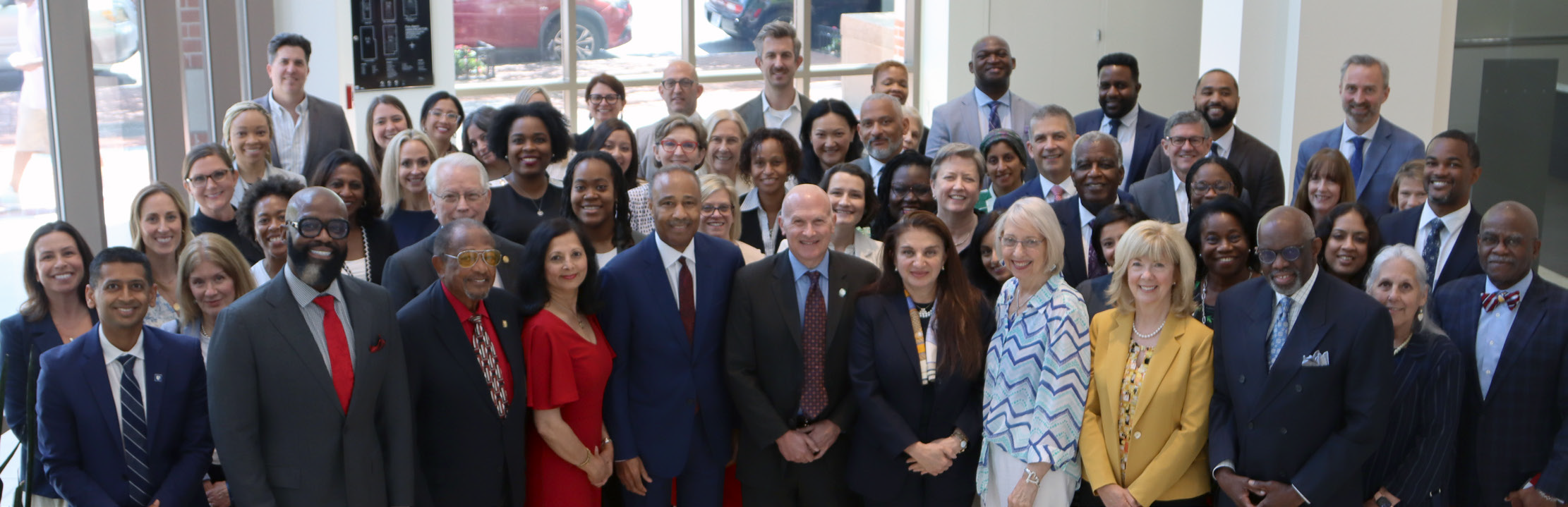
The 2025 Health Equity Summit convened clinicians, industry, cardiovascular society and community health partners for robust discussions on topics ranging from the business case for health equity to real-world solutions that leverage both community involvement and clinical engagement in care delivery.
The Power of Teamwork and Culture
High-performing cardiovascular care is inherently team-based. Cardiologists, nurses, advanced practice providers, researchers and trainees must work collaboratively to deliver complex, often life-saving care.
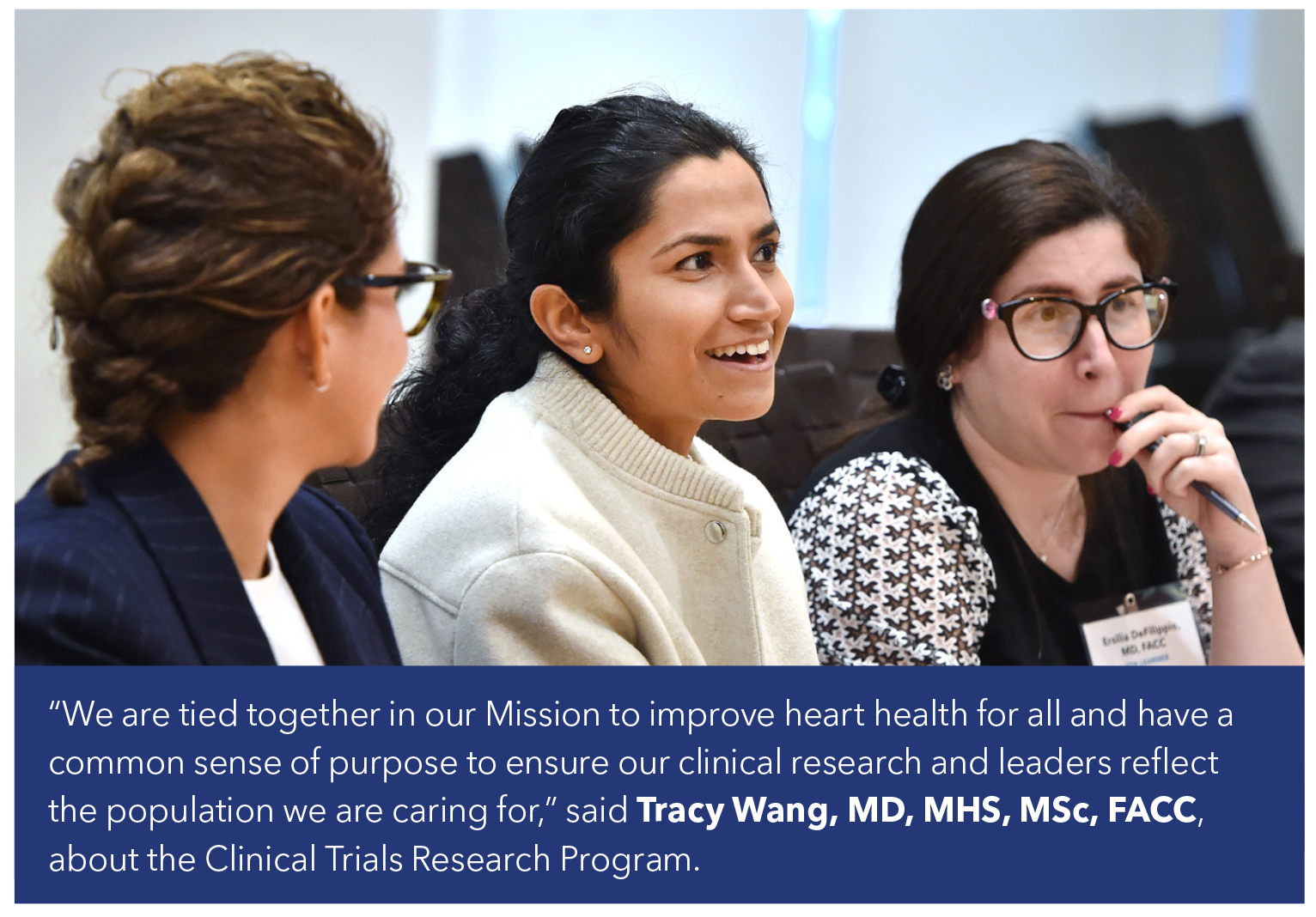
"The value of an inclusive team is about performance. It's not just about creating a positive culture, but also building a more effective team," says Mieres. "They bring broader perspectives to clinical problem-solving, reduce blind spots in decision-making and foster creativity in research and quality improvement."
Creating such teams, however, requires intentional cultural change. The ACC has made leading this change a priority, focusing on building a professional environment rooted in respect, belonging and opportunity. Aligning with the College's broader emphasis on developing essential nonclinical competencies, such as leadership, communication and systems-based practice, the Workforce Culture and Engagement Committee is leading efforts to ensure that all members of the cardiovascular team can thrive, contribute and lead.2,3 Examples include regularly published peer-reviewed science and expert commentary on workforce-related topics in JACC and JACC: Advances and a robust library of online training and discussions at ACC.org/HealthEquity.

"Every team member is critical to changing the culture of cardiovascular care," says Melanie S. Sulistio, MD, FACC, incoming chair of the Workforce Culture and Engagement Committee. "Developing skills like how to navigate difficult conversations compassionately and leading with respect, inclusion and shared humanity are foundational to advancing health equity and achieving excellence in patient care."
Developing the Next Generation of Clinicians
Truly transforming the workforce begins long before fellowship training. The ACC is actively working to expose students at every stage, including high school, medical school and residency, to careers in cardiology.
Efforts like the popular Internal Medicine and Pediatric Cardiology program, Young Scholars and the Hani Najm Global Scholar Award, are key to demystifying the field and encouraging talented individuals from all backgrounds to enter the profession.
"Through mentorship, education and real-world experiences, these programs provide the guidance and support needed to navigate a complex and competitive career path," says Echols. "Longer term, our goal is to close longstanding gaps in representation and ensure that the future workforce reflects the richness and variety of the communities being served."
To sustain progress, the College is working to specifically incorporate workforce culture and engagement across its other structured leadership and mentoring programs and educational offerings ranging from online platforms like the NCD Academy to in-person forums like Emerging Faculty and the ACC Annual Scientific Session. Taken together, these efforts emphasize not only clinical excellence, but also collaboration, communication and cultural competence – skills essential for modern health care leadership. These skills are cornerstones of the nonclinical competencies the College has identified as vital for the next generation of leaders.1
"We've been able to grow and sustain the majority of our workforce programs over the last several years thanks to the incredible philanthropic support from ACC members – many of whom once benefited from these same programs," says Mieres. "Change doesn't happen overnight, but it's powerful to watch it evolve from a spark into something enduring."
Supporting Emerging Researchers
Innovation in cardiovascular medicine also depends on a robust and inclusive research ecosystem, and research leaders who will mentor future leaders. To date, nearly 200 individuals have completed ACC's Clinical Trials Research Program, which launched in 2019 and is now starting its fifth cohort. Additionally, ACC offers dedicated research fellowships like those funded under the umbrella of the William A. Zoghbi Global Research Initiative and the new Thad and Gerry Waites Rural Cardiovascular Research Fellowship to provide resources and training pathways for emerging investigators.
These initiatives are particularly important because a breadth of perspective among researchers influences the research questions that are asked, the populations who are studied and the applicability of findings.
"Studies over the last decade have shown that building a more representative research workforce can lead to broader clinical trial participation and improved clinical outcomes across the full spectrum of our patient population," says Mieres. "By fostering inclusive research environments, the ACC is helping to ensure that scientific advances benefit all patients – not just a subset of the population."
Aligning Workforce and Mission
Ultimately, the ACC's focus on workforce culture and engagement is not separate from its Mission – it is foundational to it. Achieving the Mission to improve heart health for all requires more than scientific advancement; it requires a transformation of the people and systems delivering that care.
By fostering an inclusive culture, investing in growing the next generation of clinicians and leaders, and supporting emerging researchers, the ACC is advancing a vision of cardiovascular medicine that is both excellent and accessible for all.
"This approach," says Echols, "reflects a broader understanding of health care: that better outcomes are not driven by clinical expertise alone, but by the collective strength of teams that offer varied perspectives, united in purpose and committed to improving heart health for all."
Health Equity at ACC.26
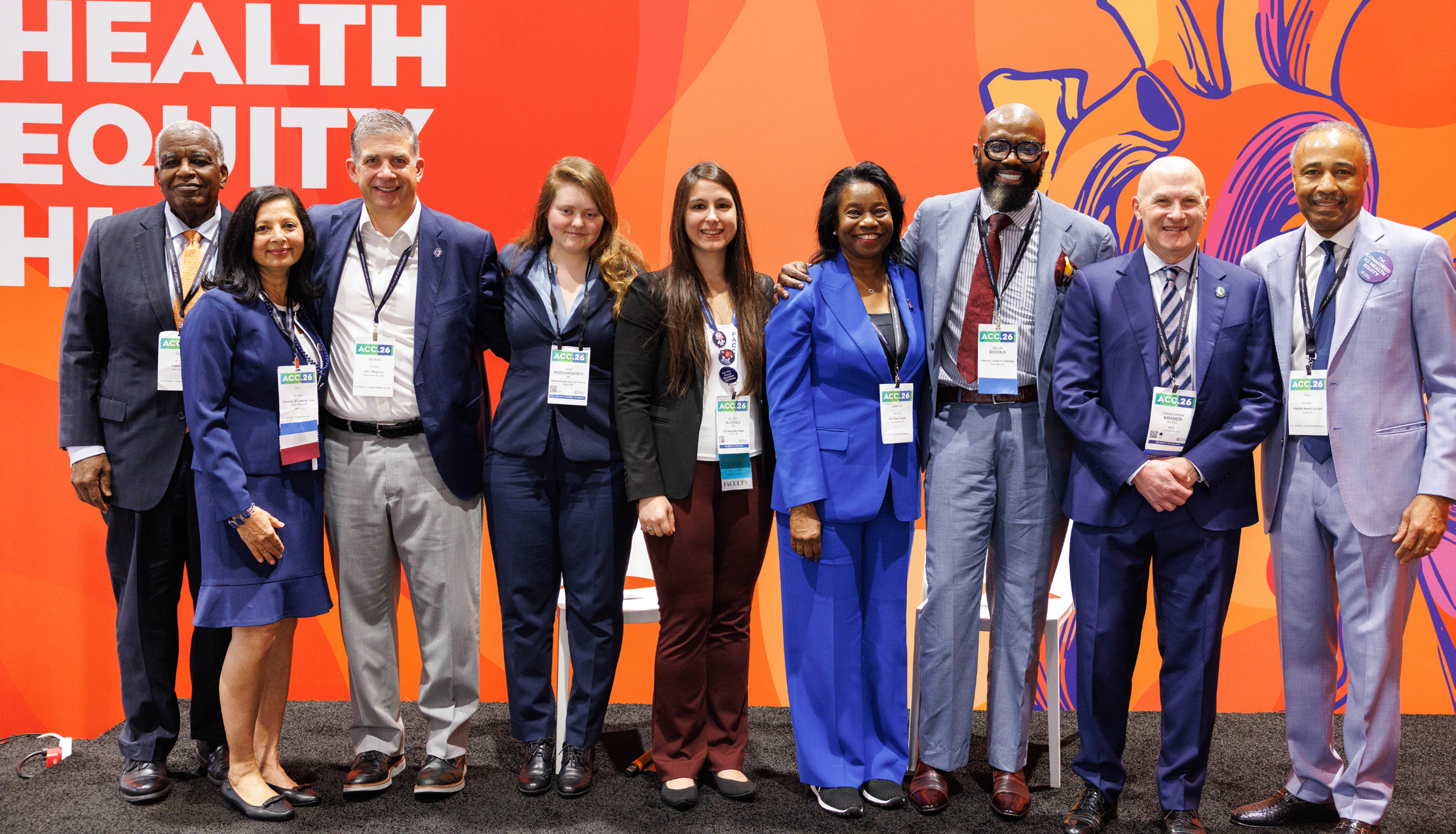
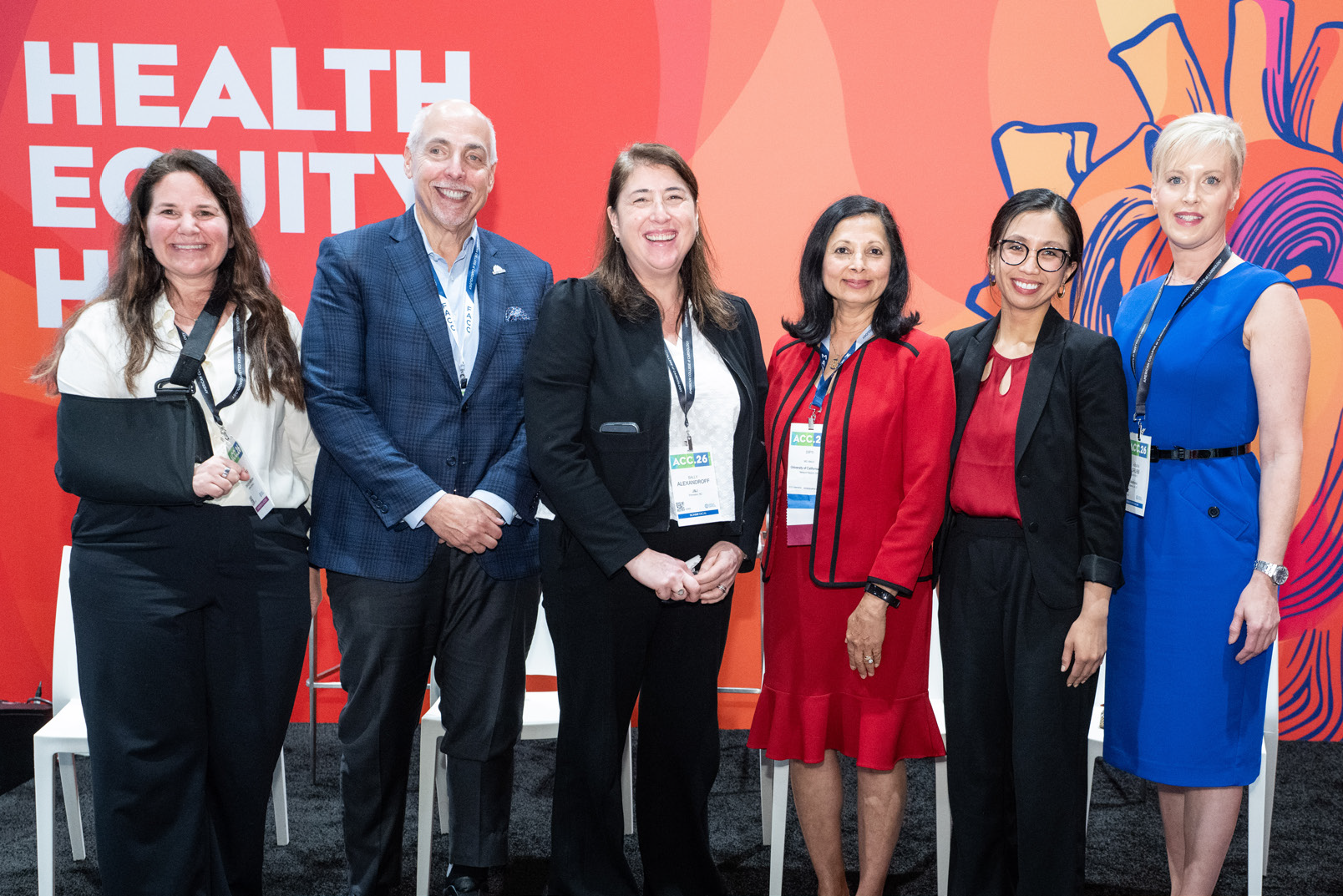
The Health Equity Hub returned, providing a dedicated space for recognizing leaders and community volunteers, discussing community-level solutions, and sharing best practices for improving patient access and improving heart health for all.
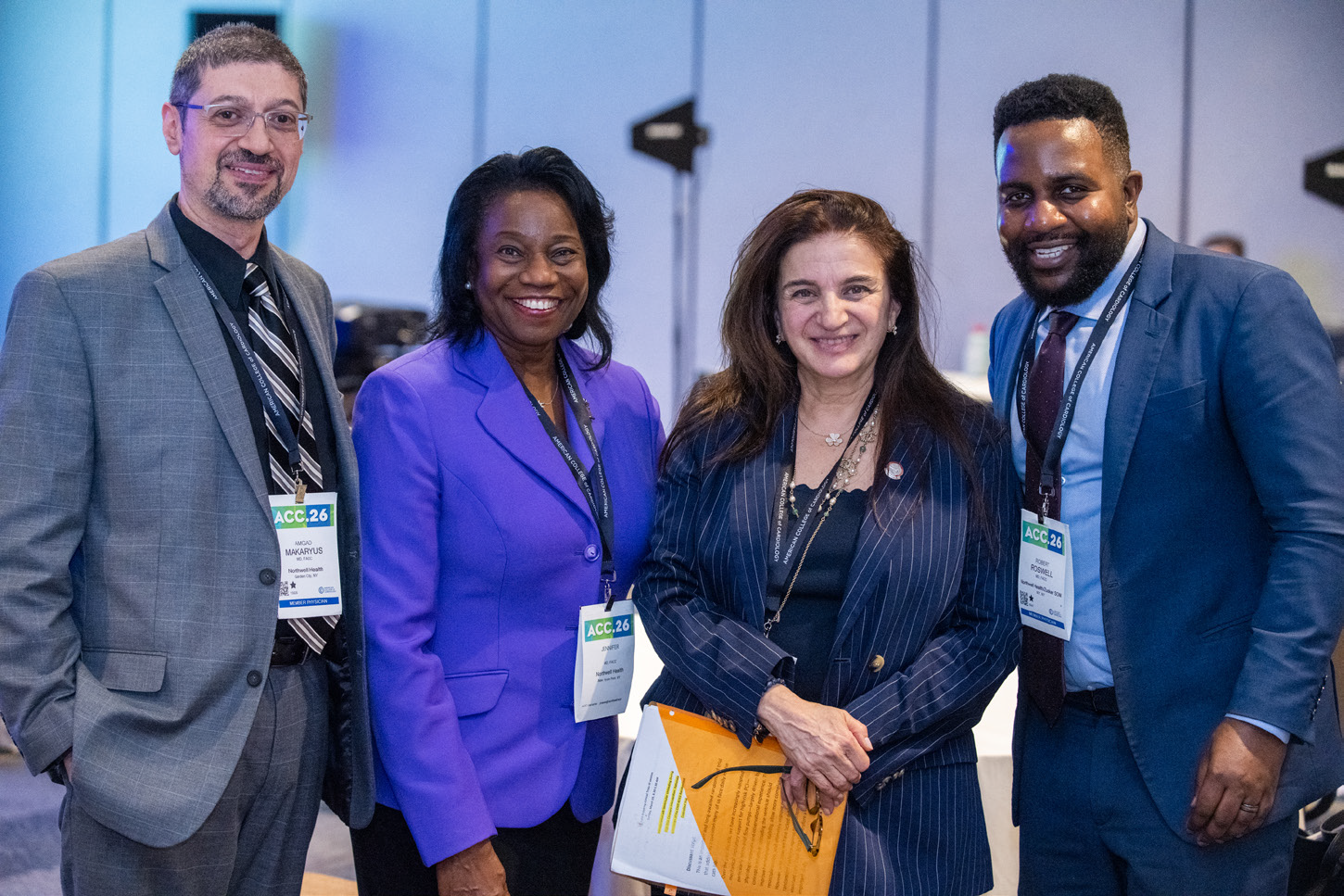

The ACC DEI Town Hall and LGBTQ+ Reception was a time to celebrate community prior to the start of the meeting.
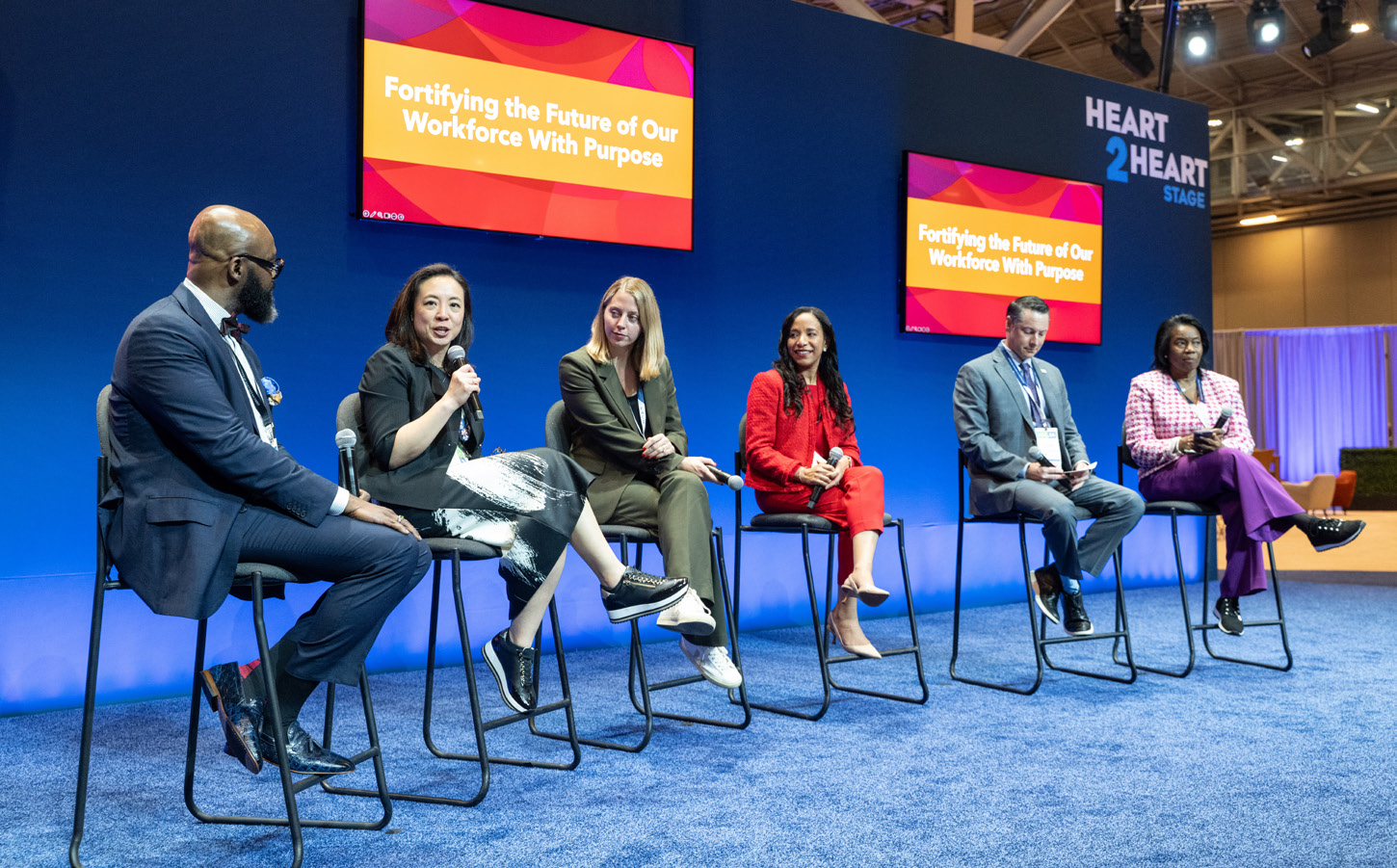
A panel discussion on the Heart2Heart Stage focused on ways to fortify the future of the cardiovascular workforce.
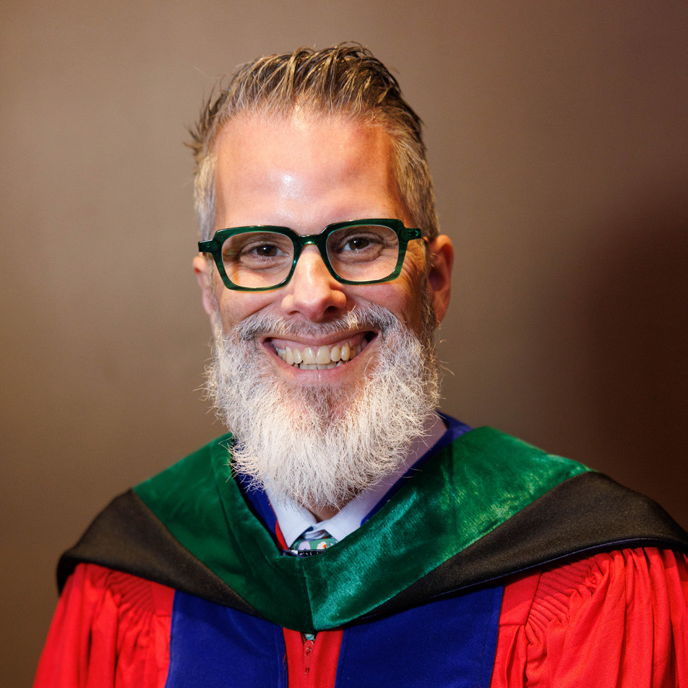
Congratulations to Stephen C. Cook, MD, FACC, for receiving the 2026 Pamela S. Douglas Award for Leadership in Diversity and Inclusion. Cook has worked diligently over the past 30 years to make cardiovascular care more accessible and welcoming to members of the LGBTQ+ community, as well as for other groups that have historically faced discrimination and suffered poorer health outcomes. Read more about Cook and the award.
References
- Kramer CM, Miller AP, Valentine CM. Reclaiming Agency Through Nonclinical Competency. J Am Coll Cardiol. 2025; 86(9):684-687.
- Douglas PS, Mack MJ, Acosta DA, et al. 2022 ACC health policy statement on building respect, civility, and inclusion in the cardiovascular workplace: A report of the American College of Cardiology Solution Set Oversight Committee. J Am Coll Cardiol. 2022;79(21):2153-2184. doi:10.1016/j.jacc.2022.03.006
- Benjamin IJ, Valentine CM, Oetgen WJ, et al. 2020 American Heart Association and American College of Cardiology Consensus Conference on Professionalism and Ethics: A Consensus Conference Report. J Am Coll Cardiol. 2021;77(24):3079-3133. doi: 10.1016/j.jacc.2021.04.067
- Douglas, P, Batchelor, W, Echols, M. et al. Enhancing the Clinical Research Workforce: Lessons From the ACC-CTR Bootcamp. JACC Adv. 2025 May, 4 (5).
Keywords: Cardiology Magazine, ACC Publications, CM-May-2026, Health Equity, Workforce, Leadership, Research
