Prioritizing Health | Microbiome of Steel: Build a Cardioprotective Gut With Fiber
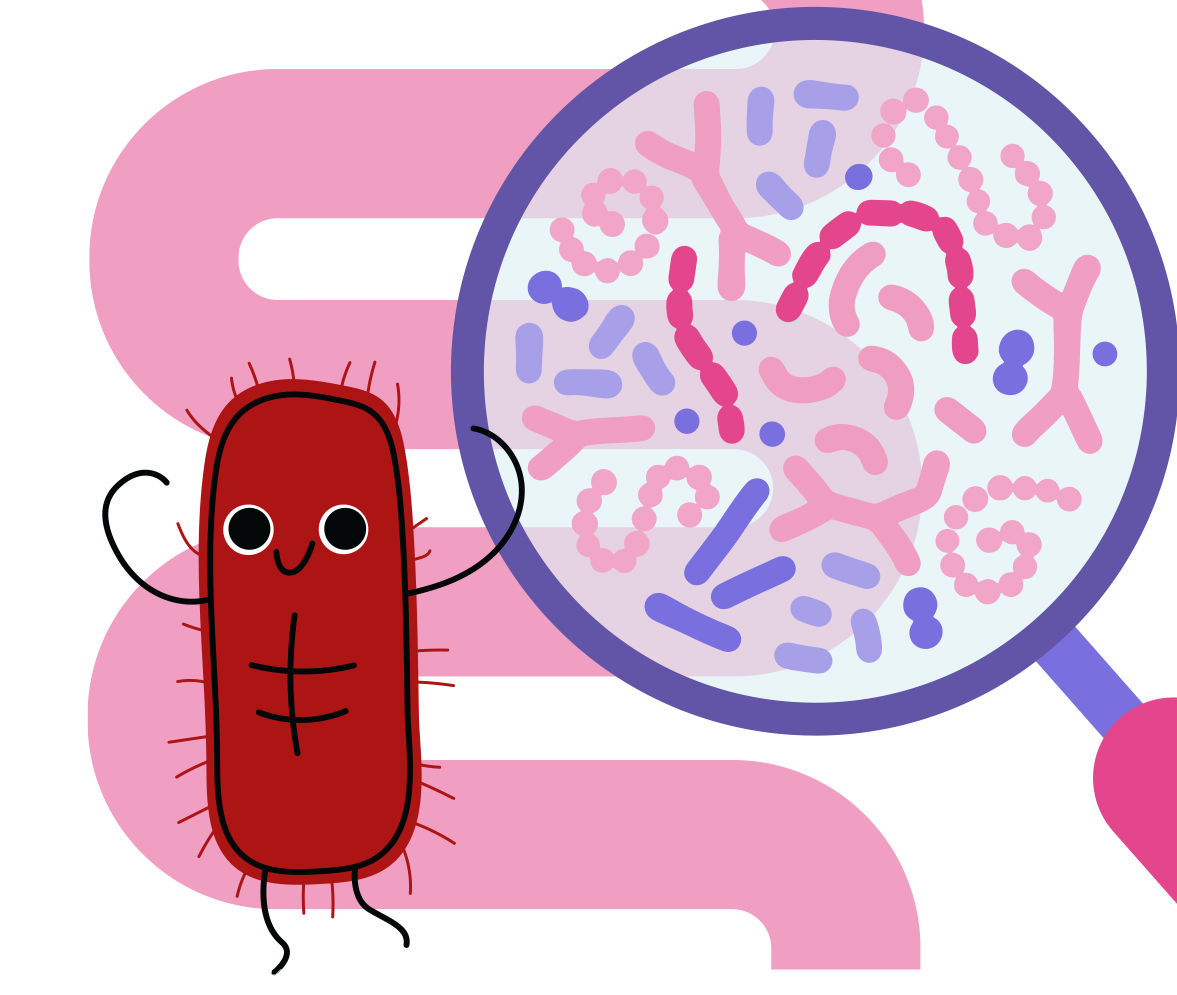
Risk factors for cardiovascular disease, such as obesity, hypertension, hyperlipidemia, diabetes and overt cardiometabolic dysfunction, are related to poor nutritional content and dietary patterns reflecting the standard American diet. Interestingly, an emerging player in cardiovascular health is the relationship between dietary patterns and their impact on gut microbiome diversity.1,2 The "gut-heart axis" appreciates the intricacies of gut biodiversity and how their metabolites are related to cardiovascular health and outcomes.3
The gut microbiome is a powerful endocrine and immunological organ composed of trillions of microorganisms.3,4 Analyses of atherosclerotic plaque have shown fatty deposits, containing bacterial DNA, some originating from the gut microbiome. This raises the concern that the gut microbiome, and its metabolites, plays a role in cardiovascular function.5 It metabolizes dietary components into bioactive molecules that circulate systemically. Short-chain fatty acids (SCFAs), such as butyrate and acetate, are key bioactive molecules, shown to exhibit anti-inflammatory and vasoprotective effects.3,6-10

Dysbiosis, or poor gut biodiversity, is associated with systemic inflammation, impaired endothelial function and insulin resistance, all contributing to increased cardiovascular risk.11 Metabolites from poor gut health contribute to the development of atherosclerosis. Trimethylamine-N-oxide, derived from red meat, is implicated in promoting atherosclerosis, vascular calcification, endothelial dysfunction and platelet hyperreactivity, likely through pathways involving inflammation, oxidative stress and altered cholesterol metabolism.3,12-14
Phenylacetalglutamine (PAG), another metabolite, enhances platelet activation and thrombosis potential via adrenergic receptor signaling. Experimental models demonstrate that elevated PAG directly induces vascular and cardiac dysfunction.3,15,16 Microbiome studies confirm that the abundance of PAG-producing pathways is higher in individuals with atherosclerotic cardiovascular disease.17
The Power of Fiber
Dietary patterns and nutritional diversity play a fundamental role in gut health. Diets rich in fiber are shown to positively impact microbiome diversity.3 The Mediterranean and plant-based diets increase fiber intake, ultimately helping diversify the microbiome.18 Fiber has long been associated with gastrointestinal benefits, as well as impacting cardiometabolic health. For example, increased fiber leads to increased satiety, which can lead to weight loss and ultimately improve lipid profiles, decrease insulin resistance and decrease waist circumference.19 Also, dietary patterns naturally rich in fiber reduce hypertension.19
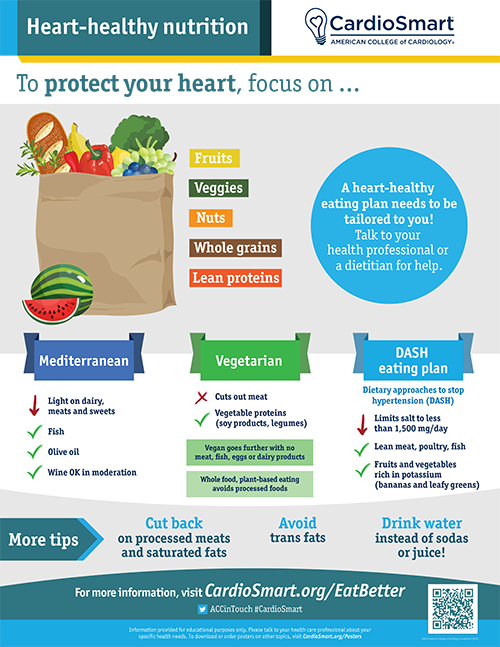
Soluble fibers, found in oats, peas, beans, apples, bananas, avocados, citrus fruits, carrots, barley and psyllium, are effective at lowering serum cholesterol and improving glycemic control through their viscous properties and fermentability.20-23 Insoluble fibers, found in whole-wheat flour, wheat bran, nuts, beans, cauliflower, green beans and potatoes, support gastrointestinal health, microbiota diversity and increased satiety.21-23
Dietary fiber serves as a prebiotic substrate for beneficial gut bacteria, such as Lactobacillus and Bifidobacterium, leading to production of SCFAs that in turn enhance endothelial function, reduce oxidative stress and promote regulatory T cell development, overall decreasing inflammation.3,6-10,24
Robust epidemiological evidence comes from the National Health and Nutrition Examination Survey (NHANES) and European Prospective Investigation into Cancer and Nutrition (EPIC) cohorts.25,26 NHANES data demonstrated that increased dietary fiber intake and density are independently associated with reduced long-term predicted cardiovascular disease risk (especially in young to middle-aged adults), lower levels of C-reactive protein, and decreased prevalence of metabolic syndrome and obesity.25-28 EPIC similarly demonstrated that higher total daily fiber intake was associated with reduced risk of ischemic heart disease (IHD) and cardiovascular disease mortality, with a 10 g/day increase in fiber intake associated with a 10-15% decrease in risk of fatal IHD.26,29,30
Despite the evidence, <10% of Americans meet the recommended daily intake of 25-38 grams of fiber per day.25 Contributors to low fiber intake are adherence to the standard American diet, rich in ultra-processed foods, reduced advocacy and socioeconomic drivers of health, such as food insecurity.25,31
Incorporating dietary assessments into primary care and specialized cardiovascular patient visits can help uncover barriers to access. Cardiologists should advocate for fiber-rich diets, such as plant-based or Mediterranean, that emphasize fruits, vegetables, whole grains and legumes.18 Multidisciplinary practice involving registered dietitians, weight management and behavioral health can help guide patients to make sustainable dietary changes.
Research continues to explore ways to optimize the gut microbiome to improve cardiometabolic outcomes beyond fiber, investigating dietary polyphenols, resistant starches and fermented foods. Interventions such as postbiotics, targeted probiotics and even fecal microbiota transplantation are being studied too.32
Key areas for future research include elucidating types of fiber that most effectively reduce cardiovascular risk and identifying gut microbiota phenotypes and their metabolic pathways that provide cardioprotective benefits. Long-term, large-scale randomized, controlled trials will be needed to solidify the causal relationship between gut health and cardiometabolic outcomes.
The relationship between the gut microbiome, dietary fiber and cardiometabolic health represents a promising frontier in preventive cardiology. By promoting a diverse and metabolically active microbiome, through a high-fiber diet, we can improve lipid metabolism, glycemic control and inflammation, contributing to improved cardiometabolic health and reduced cardiovascular outcomes. The 2019 ACC/AHA Primary Prevention Guideline gave a class 1 recommendation for promoting a plant-forward diet, making this part of guideline-directed therapy.
Key Points For Clinicians
- Diet is part of management and treatment of cardiovascular disease. Evidence shows the gut microbiome significantly influences cardiovascular health. Promote high-fiber, plant-forward diets as part of cardiovascular risk reduction strategies.
- Screen patients for fiber intake. Routine clinical assessments should include dietary history, specifically fiber intake, to identify at-risk patients early and intervene with personalized dietary recommendations.
- Address social barriers such as food insecurity, health literacy and access to fresh produce as contributors to low fiber intake.
- Advocate for multidisciplinary support to advance cardiometabolic health. Incorporate dietitians and behavioral health professionals into cardiac care teams to support sustained dietary change and improve outcomes.
- The gut microbiome can contribute to cardiometabolic disease and responds to diet, fiber intake, and lifestyle. As research advances, interventions such as postbiotics, targeted probiotics, and microbiota-modulating therapies may become viable tools in cardiovascular prevention.
Key Points For Patients
- High-fiber diets support heart health by helping lower cholesterol, BP and body weight.
- Gut health equals heart health. Fiber feeds good gut bacteria, leading to reductions in inflammation, cholesterol and blood sugar.
- Aim for 25-38 grams of fiber a day from fruits, vegetables, legumes and whole grains.
- Read labels at the grocery store and focus on whole foods. Avoid processed foods that lack fiber and contain added sugars and fats that promote poor gut health.
- Small changes in the diet can make an important difference for your heart. Adding fiber-rich foods like oats, beans, apples and leafy greens, even gradually, can meaningfully improve your gut and heart health over time.
This article was authored by Aditi S. Desai, BS, University of Virginia School of Medicine, Charlottesville, and Lily Dastmalchi, DO, MA, FACC, Inova Schar Heart and Vascular, Inova Hospital System, Fairfax, VA.
References
- Virani SS, Alonso A, Benjamin EJ, et al. Heart disease and stroke statistics-2020 update: a report from the American Heart Association. Circulation 2020;141:e139-e596.
- Dai H, Abu Much A, Maor E, et al. Global, regional, and national burden of ischaemic heart disease and its attributable risk factors, 1990-2017: results from the global burden of disease study 2017. Eur Heart J Qual Care Clin Outcomes 2022;8:50-60.
- Witkowski M, Weeks TL, Hazen SL. Gut microbiota and cardiovascular disease. Circ Res 2020;127:553-70.
- Brown JM, Hazen SL. The gut microbial endocrine organ: bacterially derived signals driving cardiometabolic diseases. Annu Rev Med 2015;66:343-59.
- Shen X, Li L, Sun Z, et al. Gut microbiota and atherosclerosis-focusing on the plaque stability. Front Cardiovasc Med 2021;8:668532.
- Cheng B, Feng H, Li C, et al. The mutual effect of dietary fiber and polyphenol on gut microbiota: Implications for the metabolic and microbial modulation and associated health benefits. Carbohydr Polym 2025;358:123541.
- Cronin P, Joyce SA, O'Toole PW, O'Connor EM. Dietary fibre modulates the gut microbiota. Nutrients 2021;13:1655.
- Hills RD Jr, Pontefract BA, Mishcon HR, et al. Gut microbiome: profound implications for diet and disease. Nutrients 2019;11:1613.
- Koh A, De Vadder F, Kovatcheva-Datchary P, Bäckhed F. From dietary fiber to host physiology: short-chain fatty acids as key bacterial metabolites. Cell 2016;165:1332-45.
- Perler BK, Friedman ES, Wu GD. The role of the gut microbiota in the relationship between diet and human health. Annu Rev Physiol 2023;85:449-68.
- Jonsson AL, Bäckhed F. Role of gut microbiota in atherosclerosis. Nat Rev Cardiol 2017;14:79-87.
- Tang WHW, Wang Z, Levison BS, et al. Intestinal microbial metabolism of phosphatidylcholine and cardiovascular risk. N Engl J Med 2013;368:1575-84.
- Zhen J, Zhou Z, He M, et al. The gut microbial metabolite trimethylamine N-oxide and cardiovascular diseases. Front Endocrinol (Lausanne) 2023;14:1085041.
- Brunt VE, Gioscia-Ryan RA, Casso AG, et al. Trimethylamine-n-oxide promotes age-related vascular oxidative stress and endothelial dysfunction in mice and healthy humans. Hypertension 2020;76:101-12.
- Nemet I, Saha PP, Gupta N, et al. A cardiovascular disease-linked gut microbial metabolite acts via adrenergic receptors. Cell 2020;180:862-77.e22.
- Li Z, Gu M, Zaparte A, et al. Alcohol-induced gut microbial reorganization and associated overproduction of phenylacetylglutamine promotes cardiovascular disease. Nat Commun 2024;15:10788.
- Zhu Y, Dwidar M, Nemet I, et al. Two distinct gut microbial pathways contribute to meta-organismal production of phenylacetylglutamine with links to cardiovascular disease. Cell Host Microbe 2023;31:18-32.e9.
- Singh RK, Chang HW, Yan D, et al. Influence of diet on the gut microbiome and implications for human health. J Transl Med 2017;15:1-17.
- Diab A, Dastmalchi LN, Gulati M, Michos ED. A heart‑healthy diet for cardiovascular disease prevention: where are we now? Vasc Health Risk Manag 2023;19:237‑53.
- Bakr AF, Farag MA. Soluble dietary fibers as antihyperlipidemic agents: a comprehensive review to maximize their health benefits. ACS Omega 2023;8:24680-94.
- McRorie JW Jr, McKeown NM. Understanding the physics of functional fibers in the gastrointestinal tract: an evidence-based approach to resolving enduring misconceptions about insoluble and soluble fiber. J Acad Nutr Diet 2017;117:251-64.
- Mirmiran P, Bahadoran Z, Khalili Moghadam S, et al. A prospective study of different types of dietary fiber and risk of cardiovascular disease: Tehran lipid and glucose study. Nutrients 2016;8:686.
- Mayo Clinic Staff. Dietary fiber: essential for a healthy diet. Mayo Clinic. Published December 2024. Accessed July 15, 2025. Available here .
- Makki K, Deehan EC, Walter J, Bäckhed F. The impact of dietary fiber on gut microbiota in host health and disease. Cell Host Microbe 2018;23:705-15.
- Grooms KN, Ommerborn MJ, Pham DQ, et al. Dietary fiber intake and cardiometabolic risks among US adults, NHANES 1999-2010. Am J Med 2013;126:1059-67.e674.
- Perez-Cornago A, Crowe FL, Appleby PN, et al. Plant foods, dietary fibre and risk of ischaemic heart disease in the European Prospective Investigation into Cancer and Nutrition (EPIC) cohort. Int J Epidemiol 2021;50:212-22.
- Zhang S, Tian J, Lei M, et al. Association between dietary fiber intake and atherosclerotic cardiovascular disease risk in adults: a cross-sectional study of 14,947 population based on the National Health and Nutrition Examination Surveys. BMC Public Health 2022;22:1076.
- Ning H, Van Horn L, Shay CM, Lloyd-Jones DM. Associations of dietary fiber intake with long-term predicted cardiovascular disease risk and C-reactive protein levels (from the National Health and Nutrition Examination Survey Data [2005-2010]). Am J Cardiol 2014;113:287-91.
- Chuang SC, Norat T, Murphy N, et al. Fiber intake and total and cause-specific mortality in the European Prospective Investigation into Cancer and Nutrition cohort. Am J Clin Nutr 2012;96:164-74.
- Crowe FL, Key TJ, Appleby PN, et al. Dietary fibre intake and ischaemic heart disease mortality: the European Prospective Investigation into Cancer and Nutrition-Heart study. Eur J Clin Nutr 2012;66:950-56.
- Cifuentes L, O'Keefe S. Analysis of 1999-2017 NHANES Data: minimal increase and racial disparities in U.S. fiber consumption over 18 years. Nutr Cancer 2024;76:345-51.
- Zmora N, Zilberman-Schapira G, Suez J, et al. Personalized gut mucosal colonization resistance to empiric probiotics is associated with unique host and microbiome features. Cell 2018;174:1388-1405.e21.
Keywords: Cardiology Magazine, ACC Publications, Gastrointestinal Microbiome, Dietary Fiber, Anti-Inflammatory Agents, Heart Disease Risk Factors
